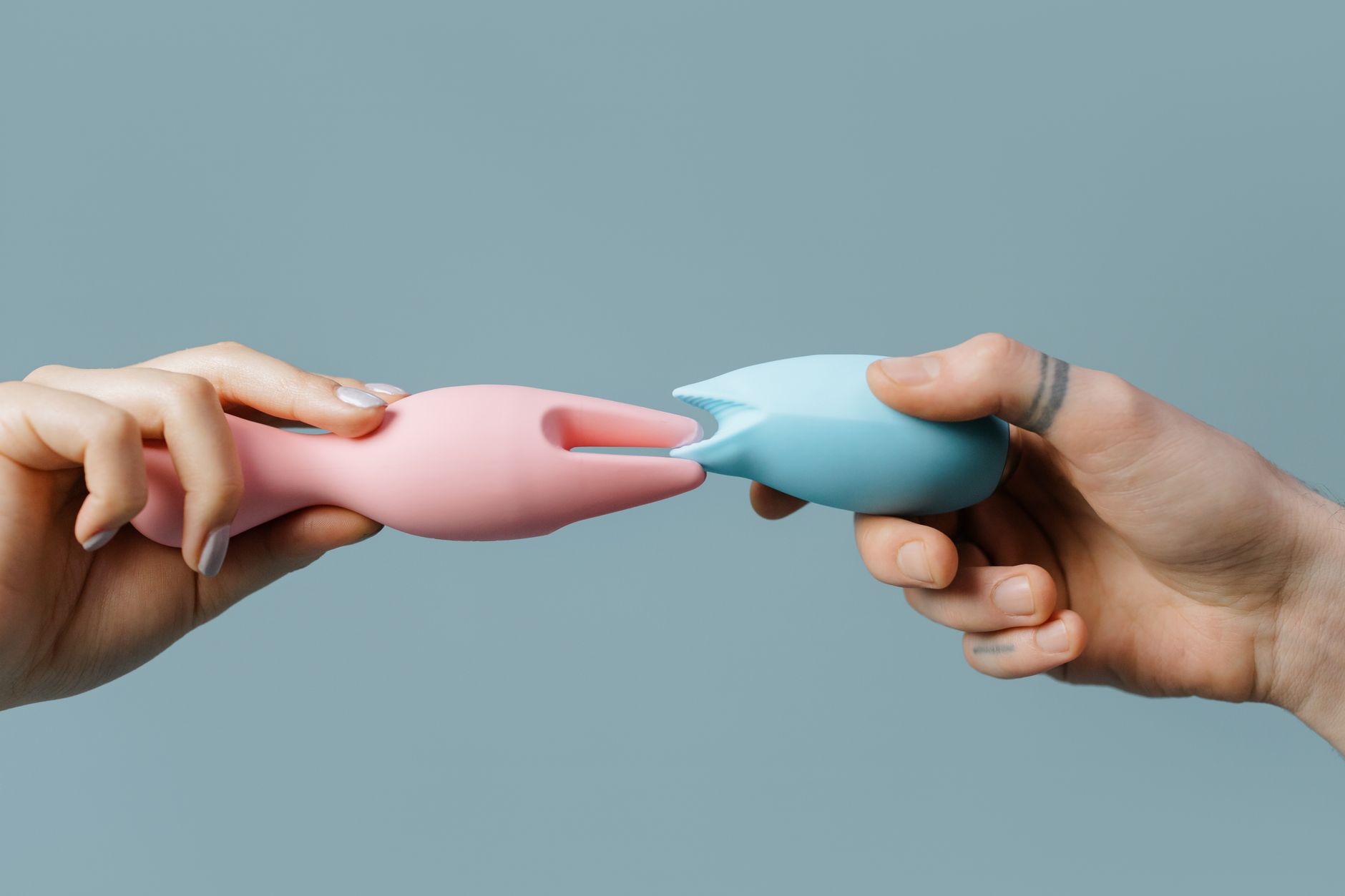
When sex becomes a schedule instead of a conversation
Here's what nobody tells you about long-term partnered sex: it doesn't stay exciting by accident. After years together, the same positions, the same timing, the same way your partner touches you. It works. It's familiar. And then one day you realize you're not actually present for it anymore. You're mentally running through tomorrow's to-do list while your body goes through the motions.
This isn't a sign that your relationship is broken. It's a sign that routine has won. And routine, for most couples, kills sensation before it kills desire.
The fix isn't to overhaul your sex life overnight. It's to introduce one small variable that changes everything: a lemon clitoral vibrator that shifts what's possible in the familiar space you already share.
Why routine sex numbs sensation faster than you think
When the same stimulus happens the same way, over and over, your nervous system stops paying attention. This is called habituation, and it's not laziness or a sign you've fallen out of love. It's basic neurology. Your body stops registering novelty because there isn't any.
The problem gets worse if your partner's stimulation style doesn't perfectly match your anatomy on any given day. Maybe you need more direct pressure today but they don't know that. Maybe your sensitivity shifts with your cycle and the rhythm that worked last week leaves you feeling numb this week. Over months and years, small mismatches pile up into a sense that partnered sex just doesn't work for your body anymore.
Then you start faking it. Then you start avoiding it. Then you're not having sex at all, but you're not sure why.
A lemon clitoral vibrator interrupts this cycle. It's not about replacing your partner's touch. It's about introducing a sensation pattern your nervous system hasn't learned to ignore yet.
The real conversation you need to have first
Before you buy anything, talk to your partner. Not about toys. About the sex you're actually having.
Say something like: "I love you. I also notice our sex has become pretty predictable, and I think that's affecting how much pleasure I'm getting. I want to try something that might help us both feel more connected. Would you be open to exploring that together?"
Notice what you're not saying: "You're not doing it right." "I'm bored with you." "I need this to fix us." A Lemon clitoral vibrator isn't a patch for relationship problems. But it is a concrete tool that signals you're willing to experiment, which often makes your partner willing to experiment too.
If your partner resists, that's worth understanding. Some people feel threatened by vibrators. Some worry it means they're not enough. Listen to that. Reassure them: "I want this because I want to feel more sensation, which means I'll be more present with you. This is about us, not about replacing you."
If they're still resistant after that conversation, introduce it solo first. Let them watch. Let them hold it. Familiarity kills fear.
How to actually use lemon vibrators with a partner
Start with observation, not performance. Use your lemon clitoral vibrator on yourself while your partner watches, no pressure to orgasm. This does two things: it shows them how you respond to different sensations, and it removes the performance anxiety from the experience. You're not performing. You're exploring, and they get to see what actually works.
Then hand them the controls. Once they see how you move when you're actually enjoying something, ask them to try the patterns they noticed. Let them hold the vibrator while you guide them. "A little faster." "Try the pattern at a lower intensity." This is collaboration, not correction.
Build a new rhythm together. Instead of them stimulating you with their hand while inside you, try them using the lemon vibrator on your clitoris while you're together. The vibration pattern stays consistent even as you move. You get steady sensation plus the closeness of your partner's body. This alone changes everything for most couples.
Use it for foreplay, not just climax. Lots of couples make the mistake of treating the vibrator as the thing that gets you there, then taking it away. Keep it in play for the whole experience. The novelty of the sensation pattern, combined with the familiar presence of your partner, creates a genuinely new experience even in the same bed.
Why lemon vibrators work better than you'd expect
Clitoral vibrators use suction technology that mimics a very specific sensation. A lemon clitoral vibrator, in particular, creates a pattern that's distinct from manual touch. Your nervous system registers it as completely new, even if you've been with the same partner for 20 years.
That newness matters. It breaks the habituation cycle. Suddenly your nervous system is awake again. You're present. You're feeling. And when you're actually present for sex, everything shifts. Your partner notices. You notice. The connection comes back.
What to expect emotionally
Introducing a vibrator can feel awkward at first. You might worry you look ridiculous. Your partner might feel weird. This is completely normal. Most couples get comfortable within two or three times.
What often surprises people is that the discomfort goes away faster than expected because the results are immediate. You feel more sensation. You're more present. Your partner gets to watch you actually enjoy something. That's genuinely connecting, even if it feels weird to say out loud.
Sometimes, introducing a lemon vibrator also brings up deeper stuff. Maybe you realize you've been avoiding sex because you knew it wasn't working. Maybe you discover your partner actually does want to explore but didn't know how to suggest it. These conversations are uncomfortable in the moment and genuinely valuable in the long run.
The practical logistics
Keep your vibrator in the same place you keep your lube. Make it as normal as any other tool in your sex life. Charge it before you need it, not in the moment. Practice with it alone first so you know what intensities and patterns you like. This removes the fumbling from partnered sex.
Water-based lube works best with lemon vibrators and silicone. Don't use it dry. Dry friction against tissue that's used to manual touch can feel too intense, and that teaches your nervous system to brace against the vibration instead of opening up to it.
When routine shifts back in
Like any tool, vibrators stop being novel eventually. That's not a failure. It means you've integrated something new into your sex life. At that point, you can rotate in different intensities, different patterns, different positions. You can try using lemon vibrators when your partner has erectile dysfunction, or explore scenarios your partner wouldn't have thought of solo.
The real skill isn't finding the perfect vibrator. It's building a relationship where you keep experimenting together. Where novelty and routine rotate. Where you stay curious about each other instead of assuming you already know everything.
Questions people actually ask
Will using a vibrator make me dependent on it?
No. If anything, you'll become more aware of what you actually like, which makes partnered sex better, not worse. You might find you prefer vibration some days and manual touch others. That flexibility is healthy.
What if my partner feels threatened?
Have the conversation before you introduce the toy. Explain that you're not replacing them. You're adding sensation. Most partners feel way less threatened once they understand they get to participate. Some research shows couples who introduce vibrators together report higher satisfaction across the board.
Do I need to use the vibrator every time?
Absolutely not. Use it when you want novelty, when sensation feels dull, when you want to explore something new together. Sex without it is still sex. You're not locked into needing it.
How do I bring this up without sounding like I'm criticizing their touch?
Frame it as what you want to add, not what they're getting wrong. "I want to try something new" is wildly different from "You're not doing it right." One opens a door. The other closes it.
What if I've never used a vibrator before?
Start solo. Figure out what you like. Then bring that knowledge to partnered sex. If you have never used suction before, there's a whole guide on choosing the right lemon vibrator for beginners.
Can we use lemon vibrators if we have communication issues?
A vibrator won't fix communication problems. If you can't talk about sex now, adding a toy won't magically make that easier. But sometimes introducing a vibrator creates permission to talk about sex differently. It's a conversation starter, not a replacement for the actual conversation.
The bigger picture
Routine doesn't have to mean dead. It can mean comfortable, which gives you the safety to actually explore. A lemon clitoral vibrator isn't about fixing your relationship. It's about reclaiming sensation in a partnership that still has plenty of foundation to build on.
Your body isn't broken. Your desire isn't gone. You're just used to each other. And used to doesn't have to be the end of the story. It can be the setup for a genuinely new chapter if you're willing to be curious about what's possible.