Let's start here: erectile dysfunction is not about you
When your partner experiences ED, the narrative that runs through both your heads is usually the same. He feels like he's failing you. You feel like you're somehow not enough. Neither of those things is true. ED is a physiological response, often triggered by stress, health conditions, medications, or age. It's not a referendum on desire, attraction, or the relationship itself.
Here's what I've seen in my practice: couples who navigate ED with honesty and curiosity often end up closer than before. The reason is simple. ED forces you to stop performing penetrative sex on autopilot and actually look at each other. That's uncomfortable at first. It's also where real intimacy lives.
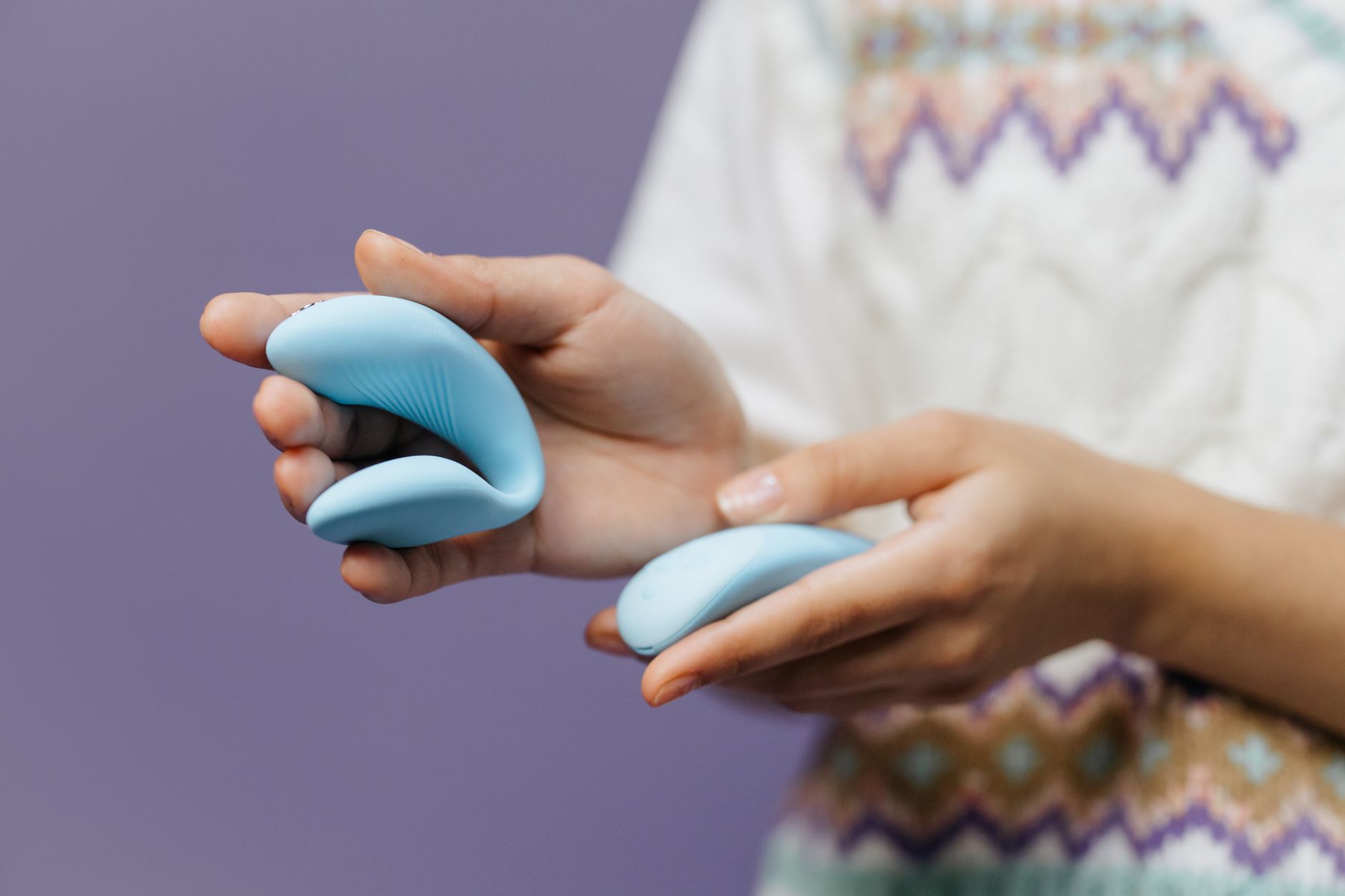
Lemon vibrators, specifically, change the equation because they put clitoral pleasure at the center instead of the margins. You're not working around a problem anymore. You're building something different together.
Why ED changes the pleasure conversation
Penetrative sex is the default script in most relationships. When that script stops working reliably, couples panic instead of pivoting. The stress of "will it happen this time" becomes its own barrier. Anxiety kills arousal. Arousal is already compromised. The cycle tightens.
What gets lost in that spiral is that most people with vulvas don't orgasm from penetration alone. Never have, never will. That's not a flaw in your body or his. That's just anatomy. ED actually removes the illusion that penetration alone is enough and forces you both toward what research shows works: direct clitoral stimulation, sustained attention, and taking penetration off the pedestal.
A lemon clitoral vibrator becomes the tool that lets you do that together without shame or the feeling that something is broken.
The reframe: what ED actually opens up
Let me be direct about what happens when couples stop trying to force penetrative sex and start exploring alternatives.
First, the pressure lifts. He's not watching his own body for signs of "success." You're not performing arousal or faking finish to spare his feelings. Both of you can actually focus on sensation instead of performance metrics.
Second, you learn what actually feels good to you independent of penetration. Many people discover, sometimes for the first time, that lemon suction sensation on the clitoris with a partner present and engaged is more pleasurable than anything in your sexual history. That's not compensation. That's innovation.
Third, the vulnerability creates intimacy. You're learning each other's bodies differently. He's learning where and how you like to be touched. You're communicating directly instead of hinting. That communication carries into the rest of your relationship.
How to introduce a lemon vibrator without awkwardness
The worst approach is "Hey, we should try this because your penis isn't working." The good approach centers pleasure, curiosity, and you.
Try: "I've been curious about trying something different, and I'd like you there with me." Or: "I want to explore what actually gets me off reliably. I'd love your company while I figure that out."
The framing matters because it's honest. You're not medicating his problem. You're discovering your pleasure. He gets to participate in that discovery instead of feeling like he's being replaced.
When you first use a lemon clitoral vibrator together, start clothed or with just your underwear off. Let him watch. Let him touch your thighs or your back while you explore what patterns feel good. Don't perform. Just pay attention to your own sensations. That's actually hot, and it's the opposite of performing for him.
When he's comfortable watching, he can move closer. He can hold the vibrator while you guide the pressure and position. This is different from him using it on you randomly. You're in control. He's assisting. You're collaborating instead of one person doing something to the other.
The practical setup that works
Honestly, the best positions for using a lemon vibrator with ED are often better than the positions for penetrative sex anyway. You're not trying to fit together in a specific way. You have more options.
Some couples like lying side by side, you on your back with a pillow under your hips, him propped on his elbow next to you with the vibrator. You're face to face. He can kiss you while the vibrator does its work. There's no pressure for erection, and closeness is built in.
Others prefer him sitting with his back against the headboard, you between his legs with your back against his chest. He can wrap around you. The vibrator is in front. You get pressure, intimacy, and deep stimulation all at once.
The key is that these positions aren't about his penis. They're about closeness. That's the actual repair happening.
What to expect emotionally
The first time you use a lemon vibrator together after ED has appeared, something shifts. For him, it's usually relief. He's not the sole source of your pleasure, but he's not out of the picture either. He's part of something that feels good instead of something that's failing.
For you, it might be a mix of things. You might feel grief that you've lost a certain kind of physical connection. You might also feel joy at discovering sensation you didn't know you could have. Both things can be true.
Give yourself permission to feel whatever comes up. Don't rush to reassure him that "it's fine." It's fine and it's different and that takes adjustment. That's normal.
After a few times using a lemon clitoral vibrator together, many couples report that the pressure around ED actually decreases. When there's another avenue for pleasure that's reliably working, the stakes around penetration lower. Sometimes erections return naturally once the anxiety is gone. Sometimes they don't, and the couple has built a whole new sexual life that doesn't need them to.
The conversation to have before you try
Talk about what either of you is afraid of. Is he worried you'll prefer the vibrator to him? Is he concerned about his masculinity? Are you worried he'll feel judged or resentful? Is there grief about what's changed?
Get it out of your bodies and into words first. Then it doesn't live in the nervous system during sex. It's addressed.
You might say: "I want us to stay connected, and I'm not sure how to do that right now. I want to try something that might help both of us feel good again. I want you there with me. How does that land for you?"
Listen to his answer without fixing it. If he's scared, scared is fine. If he's relieved, that's fine too. You're not trying to convince him. You're inviting him into something new.
When to bring in more support
If ED is severe or persistent, a doctor is the right first call, not a vibrator. Lemon vibrators are for couples who want to maintain intimacy while addressing ED through medical channels. They're tools, not substitutes for treatment.
If the emotional fallout from ED is significant for either of you, couples therapy is worth considering. A therapist can help you both grieve what's changed and build something new without resentment creeping in.
If you're using a lemon clitoral vibrator and it's triggering shame or avoidance instead of curiosity, that's information too. Slow down. Talk about it. Figure out what's underneath the resistance.
Most of the time, when couples introduce a lemon vibrator thoughtfully, the experience becomes a turning point. Not because the vibrator is magic, but because it gives you permission to step outside the standard script and actually choose each other again.
FAQ: Common questions about lemon vibrators and ED
Will using a lemon vibrator make my partner feel replaced or inadequate?
Not if you frame it as exploration together instead of a workaround. He's not being replaced. The old script isn't working, so you're writing a new one. His role in that script is different, but it's not smaller. Many partners find using a lemon vibrator together is more intimate than penetrative sex because there's no performance anxiety. There's just attention and touch.
Can a lemon vibrator actually help erectile dysfunction itself?
A vibrator won't treat ED directly, but it removes pressure. ED is often worsened by anxiety about performance. When you have another avenue for mutual pleasure that doesn't depend on erection, the anxiety drops. Sometimes that's enough for erections to return naturally. Other times it's not, and that's okay. The goal is pleasure, not a specific mechanism.
What if my partner doesn't want to use a lemon vibrator?
Respect that. You can explore it alone or with a different kind of collaboration. Some partners need time to get comfortable with the idea. Some never do. Forcing it creates resentment. Your conversation about what both of you need is more important than any toy. If intimacy is completely at a standstill and he refuses to explore options, that's worth addressing with a couple's therapist.
Is it normal to have orgasms that feel different or more intense with a lemon clitoral vibrator?
Completely. Lemon suction sensation works on different nerve pathways than your partner's hand or mouth. The intensity and quality of orgasm can shift. That's not weird. That's just your nervous system responding to a different type of stimulation. You might find that you actually prefer it, or you might like variety. Both are normal.
Should we try other positions or types of touch alongside the vibrator?
Absolutely. A lemon clitoral vibrator works best as part of a bigger picture of touch and attention. Use your hands. Kiss her. Pay attention to what she's responding to. The vibrator is the tool, but the connection is the whole point. Some couples use it for the main event and hands and mouths before and after.
What if ED comes back after a period of improvement?
It happens. Stress, health changes, or medication shifts can trigger it again. The good news is you've already built a template for working with it together. You know how to pivot. You have tools. You can talk about it without the shame that surrounded it the first time. That's real progress.
ED doesn't have to be a crack in your foundation. It's often an invitation to actually pay attention to each other again. A lemon vibrator can be part of that invitation. The willingness to show up for each other is what makes the difference.