Here's what happens to long-term couples when life shifts
Twenty years together. You know how your partner moves. You've raised kids, changed jobs, weathered recessions. Then something big happens. A promotion means travel. You downsize and move across town. The kids leave. And suddenly the sexual rhythm that carried you both for decades just stops. Not dramatically. It just flatlines, and neither of you can quite pinpoint when it happened.
This is not a sign of a dying relationship. It's a sign that your nervous systems need recalibration. Major life changes scramble the brain's pleasure circuitry, and couples who've been on autopilot sexually often don't have the tools to rebuild what worked before.
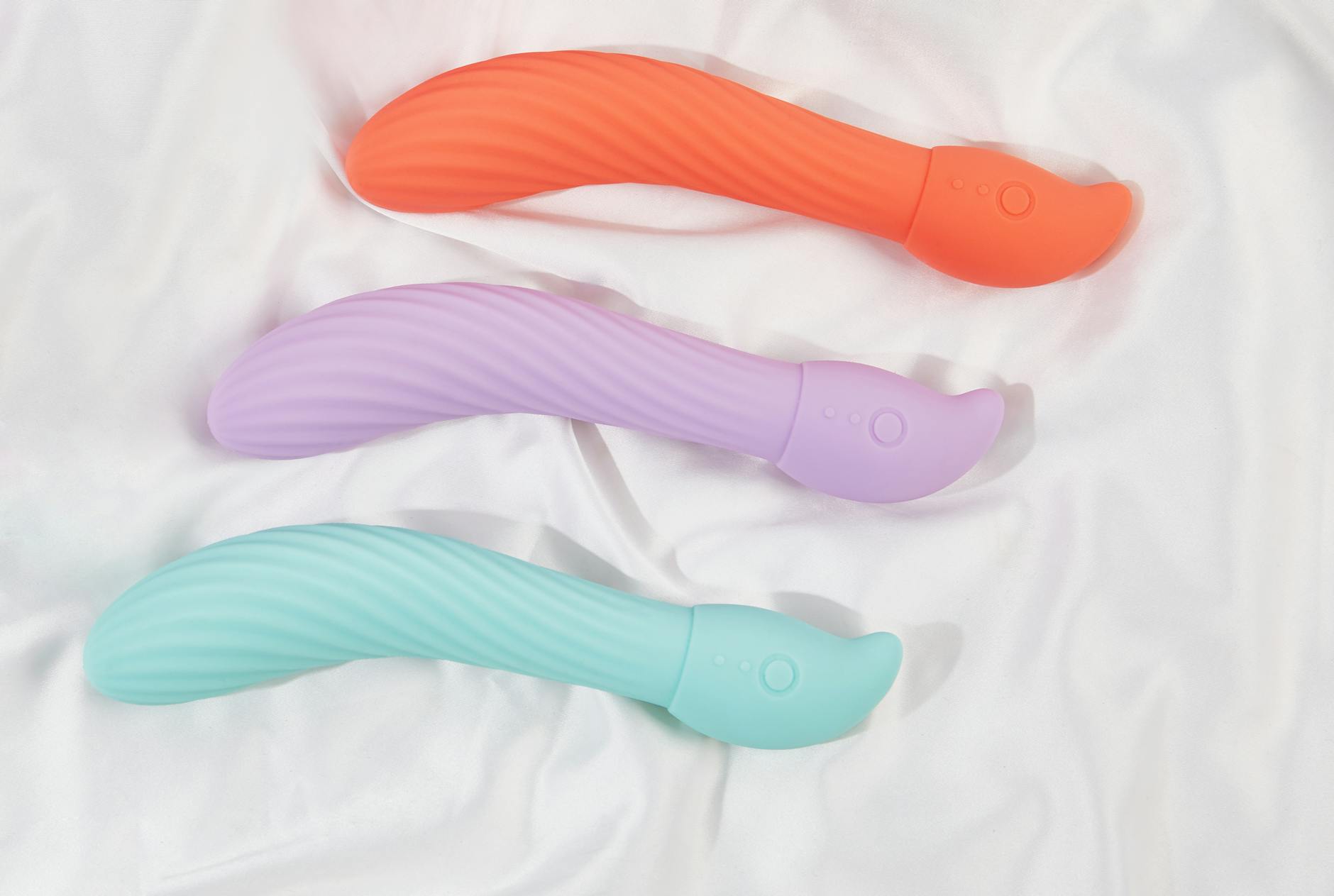
Lemon vibrators, specifically the suction-based clitoral vibrators like the Lem, are unexpectedly good at solving this particular problem. Not because they're magic, but because they work with how bodies actually reconnect after disruption.
Why routine collapse kills desire faster than you'd think
For long-term couples, sex often runs on ritual and prediction. You know what night, what time, what order things happen in. Your body responds because it's been trained to expect the signal. That's not boring; it's actually how your nervous system lets down its guard enough to feel pleasure.
Now a major life change arrives. A move means new geography, new stress, new grocery stores, new sleep schedules. A career pivot means mental load you've never carried before. Empty nest, weirdly, means abundance of time but also identity confusion. Your nervous system is in alert mode, running through a thousand micro-adjustments every day.
When your brain is busy reorganizing its map of the world, pleasure gets demoted. It's not willful neglect; it's neurology. Your vagus nerve (the main highway between your brain and body) is prioritizing safety and threat-detection over sensation.
The couples I work with often assume they need to schedule sex or "make more effort." Sometimes that helps. But more often, they need a circuit-breaker. Something that gets their bodies back into the conversation when their minds are somewhere else entirely.
How suction-based vibration feels different when you're rebuild-starting
Traditional vibrators work through friction and repetition. Your body learns the pattern and eventually tunes it out. That's fine when you're 22 and novelty is everywhere. It's a problem when you're trying to wake up sensation that's been dormant for months.
Lemon clitoral vibrators work through a totally different mechanism: gentle suction combined with rapid pulsation. This mimics the stimulation pattern that the clitoris actually responds to without the sensory overload of direct vibration.
Here's the practical difference. Let's say you and your partner haven't had sex in three months. Your body is tense. Your mind is half on the move boxes still in the garage. You need stimulation that:
- Doesn't require "building up" gradually (your nervous system is already taxed)
- Feels distinctly different from everyday sensation (so it actually registers as pleasure)
- Doesn't create pressure to perform (suction feels more like exploration, less like a race)
- Works for someone who might be a little numb from stress (the sensation is concentrated and hard to ignore)
Lemon vibrators, especially suction models, check all four. They feel noticeably different from what couples remember, which actually helps. Your brain doesn't have the same tired associations attached to them.
The nervous system reset factor
I spend a lot of time helping couples understand that pleasure is a nervous system state, not a choice. When your vagus nerve is in protective mode (which it absolutely is after a major life upheaval), your body will shut down sexual response even if your brain wants it.
You can't think your way out of this. You can't muscle your way out of it. You need a tool that gently invites your nervous system to shift into a different register.
Lemon vibrators do this by creating a sensation novel enough to interrupt the stress loop. Your brain stops processing the packing tape and the new mortgage and starts paying attention to what's happening in your pelvis. The suction sensation is particularly good at this because it's unfamiliar enough to demand attention but not so intense that it triggers the protective flinch.
I often recommend that couples start using lemon vibrators alone first, not with a partner. Spend two weeks rediscovering what pleasure feels like in your own body, without the pressure of synchronizing with someone else. Then bring the device into partnered sex when both of you are a little more grounded.
Why couples don't use vibrators during major transitions (and why that's the exact wrong time not to)
In my practice, I see a pattern. When couples are stressed, they don't reach for pleasure tools. They reach for Netflix and separate sleep schedules. It feels like the path of least resistance.
But this is exactly backwards. Stress is when your nervous system most needs the reset that pleasure provides. And after a major transition, you and your partner need a circuit-breaker that helps you both get back in sync.
Lemon clitoral vibrators are low-stakes in a way that matters. Unlike scheduling an elaborate date night (which adds pressure), or having a vulnerable conversation about desire (which adds emotional labor when you're already depleted), using a vibrator together is just a small permission slip. It says: we're allowed to feel good even though everything is chaotic.
How to actually start using them as a couple rebuild-tool
First: start with no expectations. Not "let's use this to have great sex." Just "let's see what this feels like." The Lem or any lemon clitoral vibrator is small enough that your partner can hold it, or you can. There's no performance pressure built in.
Second: use it during foreplay, not as the grand finale. The goal isn't necessarily to reach orgasm (though you might). The goal is to reestablish that your body and your partner's body are a source of pleasure. Orgasm is a bonus.
Third: talk about it after, but lightly. "That felt good" is enough. You don't need to analyze it or make it a Moment. Just let the nervous system integration happen naturally.
Fourth: be consistent. This isn't about using the vibrator once and expecting the relationship to restart. It's about using it three or four times a week for a few weeks. You're literally retraining your brain and nervous system to expect pleasure as part of your coupled life again.
One thing I see couples get wrong: they assume that if the vibrator "fixes" the desire problem, they haven't actually reconnected. But that's not how nervous systems work. A tool that gently reminds your body that pleasure is possible is not a shortcut. It's a key that unlocks the door so the real reconnection can start happening.
The partner factor that changes everything
When one partner introduces the vibrator, the psychological dynamic shifts. It's no longer about one person's body not working. It's about both of you getting creative together. That shift alone matters.
The couples who get the most out of lemon vibrators during transitions are the ones who stop treating the device as a Band-Aid and start treating it as a conversation tool. "Can I try this on you?" "How does that feel?" "What do you want to feel like?" These are mini-reconnections, not sex, but they matter.
I also see couples use vibrators during these transitions as permission to slow down. After a move or a career change, you're both running on adrenaline. Pleasure that requires you to actually pause and pay attention to sensation becomes a way of saying, "Okay, we're here, we're safe, our bodies matter."
That's not therapeutic language I'm throwing around. That's neurology. Your brain literally cannot perceive threat and pleasure at the same time. If you can create even 20 minutes where your body feels pleasure, your nervous system gets a reset button.
When to reach out for more support
Sometimes vibrators help. Sometimes they don't, and that's information too. If you're using lemon clitoral vibrators consistently and desire still isn't returning after a few weeks, or if there's resentment underneath the sexual flatline, that's a sign to talk to a couples counselor.
Life transitions often surface relationship fault lines that weren't visible before. The kids leaving, the move, the promotion. these aren't just logistical upheavals; they're identity shifts. If the sexual disconnection is pointing to a deeper relationship issue, vibrators aren't the fix. A therapist is.
But for couples whose connection is solid and whose nervous systems just need a gentle reboot? Lemon vibrators and a little consistency can genuinely help you remember why you chose each other in the first place.
People also ask
Can we use a lemon vibrator together even if we've never used toys before?
Absolutely. In fact, couples navigating a major life change often find that their first toy experience is less intimidating with a partner present. Start by exploring it together, no pressure to use it during sex. Let curiosity lead. The fact that you're both willing to try something new is already a reconnection.
How long does it take for a lemon vibrator to help us get back in sync?
That varies, but I typically see couples report shifts within two to three weeks of consistent use. Your nervous system needs about that long to recognize that pleasure is back on the menu. Give it at least three weeks before you decide whether it's working. Some couples feel the difference in days; others need longer. Consistency matters more than intensity.
Is using a vibrator a sign our sex life is broken?
No. It's a sign you're resourceful. Long-term couples often need tools precisely because their bodies have learned a very specific routine. A vibrator is a way of introducing novelty and pleasure without the emotional labor of a complete redesign. It's actually a sign of a healthy relationship that you're willing to experiment.
Should my partner use the vibrator on me, or should I use it on myself?
Both. Start with your partner using it on you because that's more novel and involves less self-consciousness. Then try it yourself so you can dial in exactly what feels good. Then experiment with both. There's no one right way. The point is to keep it playful and collaborative.
What if one of us wants to use the vibrator and the other doesn't?
That's actually a conversation worth having. Usually what sounds like "I don't want to use a vibrator" is actually "I'm nervous about what this means" or "I feel like my body isn't enough." Slow down and ask. Sometimes reassurance helps. Sometimes it's worth exploring why the resistance is there. Using lemon vibrators together can actually be a gateway to talking about desire more openly.
Can we use a lemon vibrator if we're long-distance right now because of the life change?
Yes, though it works differently. You can use it during video calls, or separately and text about it afterward. It becomes a way of staying connected to your own body and your partner's attention even when you're apart. Some couples find that rebuilding individually first (each partner using the vibrator alone) and then reuniting is actually more effective than trying to coordinate everything remotely.
The bottom line
Major life changes scramble your nervous system and your coupled rhythm. That's not a failure of your relationship; it's just biology. Lemon vibrators, especially suction-based clitoral vibrators, are surprisingly good at helping long-term couples reset their pleasure circuitry without adding more pressure or performance anxiety to an already stressed situation.
They're not a replacement for real reconnection. They're a starting point. A small permission slip that says your body and your partner's body still matter, even when everything else is in flux. And sometimes that small permission is exactly what you need to remember how to find your way back to each other.
If you're navigating a major transition right now and sex has fallen off the map, you don't need to panic or assume anything is broken. You need a little nervous system reset. Reach out if you want to talk through what might work for your specific situation.