When desire doesn't match, the shame starts immediately
Here's what almost no one talks about: desire gaps are one of the most common relationship complaints I hear, and also one of the most isolating. One partner wants sex three times a week. The other is fine with once a month. One person initiates constantly. The other feels touched out and defensive. The lower-desire partner feels pressured. The higher-desire partner feels rejected. Both feel lonely.
Most couples assume this is a compatibility problem. It's not. It's a communication and tool problem, and it's fixable.
Why desire naturally diverges in long-term partnerships
Desire mismatch isn't about love. Let me say that clearly, because shame loves to lie and tell you it is. People in deeply committed partnerships experience desire differently for a bunch of reasons that have nothing to do with attraction.
Hormonal shifts. Perimenopause, andropause, thyroid changes, medication side effects. These aren't minor. They can flatten desire completely or redirect it entirely. A partner on antidepressants might have zero libido while the non-medicated partner hasn't changed at all.
Stress load distribution. In most partnerships, one person carries more invisible labor. Childcare decisions, elder care, household management, emotional labor. The person doing more of this work often has a lower sex drive not because they love their partner less, but because their nervous system is managing more activation. Sex becomes another thing on the to-do list instead of a release.
Unresolved conflict. People don't get turned on by resentment. If there's anger simmering about how household decisions are made or who does the emotional heavy lifting, sexual desire often drops first. It's your body saying, "We need to fix something else before we do this."
Age and life stage. A 35-year-old in their sexual prime might have a different baseline desire than a 42-year-old managing perimenopause or a 45-year-old navigating a career shift. Both are normal. They're just different.
None of these reasons mean the relationship is broken. They mean the relationship needs different tools.
How lemon vibrators change the dynamic
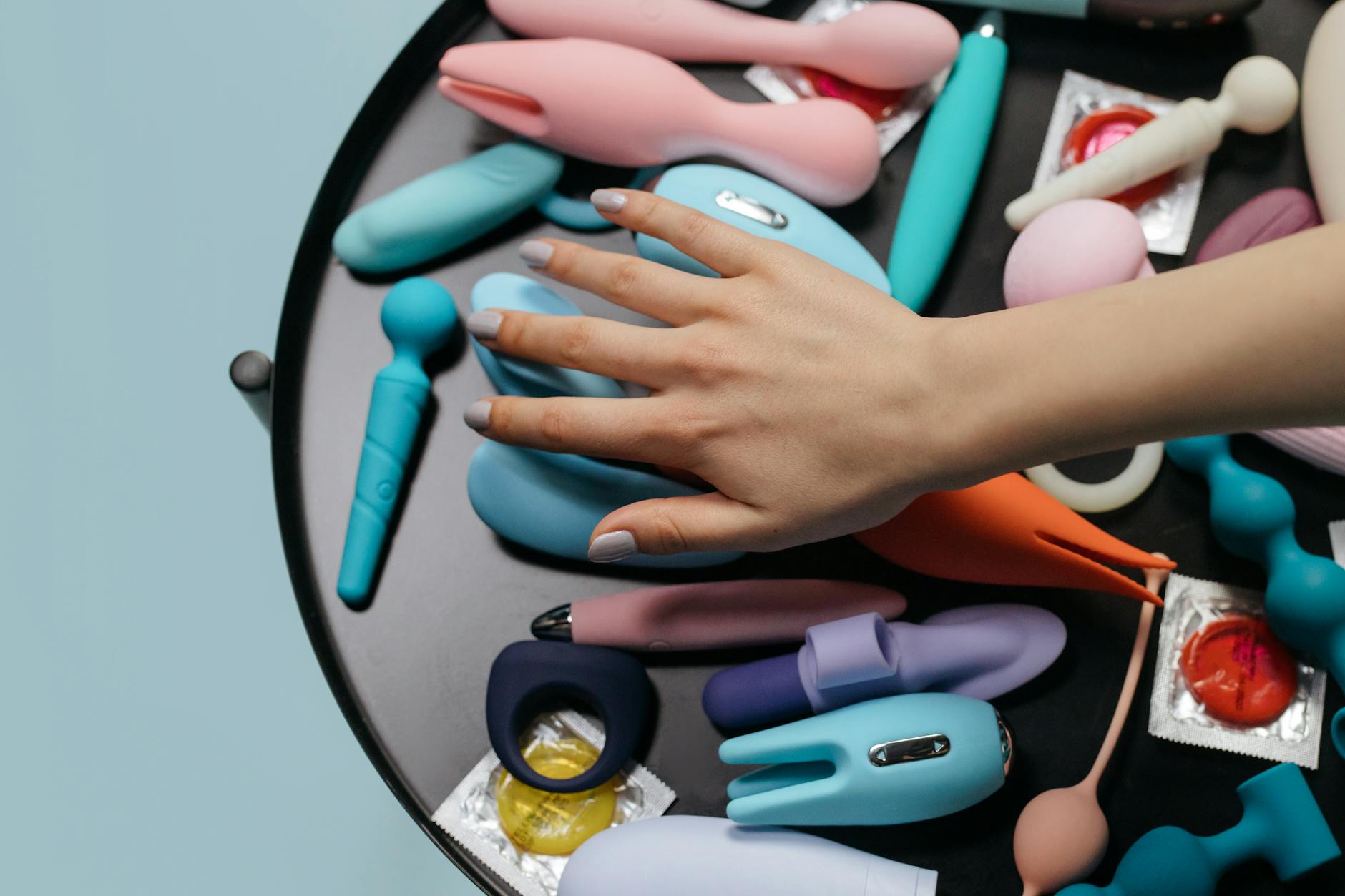
Lemon clitoral vibrators and other adult toys aren't solutions that erase desire gaps. But they change the shape of the problem in really useful ways.
They create pleasure that doesn't depend on partnered sex. This sounds counterintuitive, but it's the opposite of threatening. When the higher-desire partner has reliable access to their own pleasure through a lemon vibrator, the pressure on partnered sex drops dramatically. Sex becomes something you want to do together instead of something the lower-desire partner feels hunted for. That shift is everything.
They make partnered sex easier for the lower-desire partner. If you're someone with lower desire, you know that the jump from zero to partnered sex can feel impossible. The nervous system just isn't there. A lemon clitoral vibrator or similar tool lets the lower-desire partner warm up at their own pace, then bring that arousal into the partnership. You're not starting from cold. You're starting from already turned on, which takes the pressure off both people.
They give the higher-desire partner agency. This matters more than people realize. When you're the person with higher desire, you can feel like a beggar in your own relationship. Using a lemon sucker or other toy means you're not waiting for your partner to meet your needs. You're meeting them yourself, and paradoxically, that often makes you less resentful when your partner isn't available. You're not keeping score in the same way.
They open conversations that were stuck. When a couple introduces toys together, it usually happens because they've had an honest conversation about what each person needs. That conversation itself is the healing. The toy is just the object that made the conversation possible.
The practical setup that works
If you're in a desire-mismatched partnership and considering lemon vibrators or other adult toys, here's what tends to work.
Start with a conversation, not a toy. Don't surprise your partner with something in the nightstand. Talk first. Say: "I've been thinking about our sex life and I miss feeling close to you. I also know that sometimes our rhythms don't line up and that's real. I'm wondering if using a toy together might help us both feel less stuck. What do you think?" Simple. No pressure. Just opening the door.
The higher-desire partner goes first. This is psychological and important. If the lower-desire partner feels like they're being introduced to toys because they're "not enough," resentment happens. But if the higher-desire partner uses a lemon clitoral vibrator or similar tool openly, it says, "This is about pleasure for everyone, not about fixing you."
Use it together as foreplay. This doesn't mean you have to have partnered sex afterward. But using a lemon sucker or vibrator with your partner present, or while your partner is with you, changes the energy. You're not in separate lanes. You're doing something intimate together.
The lower-desire partner gets to choose if and how. If the lower-desire partner isn't interested in toys, that's real and okay. But they might be interested in using a lemon vibrator on themselves before sex, or watching their partner use one, or using one as a way to warm up. Let them choose the entry point.
When desire gaps actually signal something bigger
Lemon vibrators and other adult toys are helpful tools for real physical and logistical desire mismatches. But sometimes a desire gap is actually pointing to something else: contempt, checked-out-ness, infidelity concerns, control dynamics, or a relationship that has fundamentally shifted.
If you're introducing toys and the response is harsh rejection or contempt, that's not a toy problem. That's a values or safety problem, and it needs different support. A therapist trained in couples work is the tool you need there, not a vibrator.
But if you're both willing to try something different, and you're both motivated to feel close again, lemon clitoral vibrators and similar tools can create space for that reconnection. They're permission devices, basically. They tell both partners: this is still important, and we get to find new ways to make it work.
The shame part nobody mentions
Introducing toys into a long-term partnership often brings up shame. One partner might feel like they've "failed" to meet the other person's needs. The other might feel like they're asking for too much. Both might feel like they're admitting something is wrong.
Here's the honest thing I've learned from years of couples work: desire gaps don't mean your relationship is broken. They mean your relationship is human, and humans change over time. You're not the same people you were when you met. Your bodies are different. Your lives are different. The desire gap is just proof that you need updated tools.
A lemon vibrator isn't a substitute for your partner. It's a way to take pressure off both of you so you can actually find each other again. It's a tool that says: we both get to have pleasure, and we both get to feel desired, even if we want sex at different frequencies. That's not a compromise. That's actually how mature sexual partnerships work.
FAQ
Can introducing toys actually fix a desire mismatch?
Toys don't fix mismatches. They ease the pressure that builds around the mismatch. A lemon clitoral vibrator gives the higher-desire partner reliable pleasure access, which often reduces resentment. It gives the lower-desire partner a runway to arousal. But the real fix is the conversation. The toy just makes the conversation possible.
Will my partner feel threatened if I want to use a vibrator?
Possibly, depending on why they might feel threatened. If they're worried they're "not enough" for you, that's worth talking through directly. Lemon vibrators aren't replacements for partners. They're additions. They're about expanding what pleasure looks like in the relationship, not subtracting anything. Most partners, when they understand this, actually feel relieved. The pressure drops for them too.
What if I'm the one with lower desire? Can a lemon vibrator help me?
Yes, but differently. A lemon sucker or vibrator can help you warm up to arousal faster, which means partnered sex feels less like a jump from zero. It can also help you understand your own pleasure better, which often increases overall desire. When you know what turns you on, sex becomes less of a mystery and more of something you can actually want.
How do I bring this up without making my partner feel bad?
Frame it as a team project, not a fix. Say something like: "I miss feeling close to you and I know sometimes we want sex at different times. I've been thinking we could try something that might make it easier for both of us. Would you be open to exploring that together?" Make it about reconnection, not about what's wrong with them.
Does using toys make you less interested in partnered sex?
The opposite usually happens. When people have reliable access to their own pleasure, they're less desperate and resentful about partnered sex. Desperation kills desire. Ease builds it. If anything, lemon vibrators often increase the desire for partnered intimacy because it removes the scarcity mentality.
What if my partner refuses to talk about sex altogether?
That's a bigger issue that probably needs professional support. A therapist or sex coach can help couples build safety around these conversations. If your partner won't engage at all, the desire gap might be a symptom of a larger relational issue that needs addressing first. Don't try to solve this one alone.
The conversation you actually need
If you're in a mismatched partnership, the thing you need more than any lemon vibrator is permission to stop pretending this is shameful. Desire gaps are normal. Using adult toys is normal. Having different sexual rhythms doesn't mean your relationship is failing.
What matters is whether you're both willing to stay curious about each other. Are you willing to have awkward conversations? Are you willing to try something new? Are you willing to believe that your partner's different desire isn't a rejection of you?
If yes, then lemon clitoral vibrators and honest communication can actually bring you closer. Not because the toys are magic. But because they give you something to do together that says: I still want you. I still want us. Let's find a way that works for both of us.
That's the conversation. Everything else is just details.
Sources
Gottman, J. M., & Silver, N. (2015). The Seven Principles for Making Marriage Work. Harmondsworth: Penguin.
Perel, E. (2018). The State of Affairs: Rethinking Infidelity. New York: Harper Wave.
Baker, R. R., & Bellis, M. A. (1995). Human sperm competition: Ejaculate adjustment by males and the function of masturbation. Animal Behaviour, 48(3), 715-724.