Why Lemon Vibrators Are Game-Changing for Orgasm Consistency After Perimenopause
Here's what nobody tells you about perimenopause and orgasms: it's not that you lose the capacity. It's that the path to getting there gets steeper, longer, and sometimes weirdly inconsistent. One week it works fine. The next week you're lying there wondering if your body has suddenly changed the rules without telling you.
That's where lemon clitoral vibrators come in. And I'm not saying that because I sell them. I'm saying it because the neurobiology actually explains why they work better during this window.
What actually changes during perimenopause
Let's be real: perimenopause is not menopause. You still have hormones. They're just erratic. Estrogen spikes and crashes. Progesterone does weird things. Testosterone, which directly fuels desire and orgasmic response in everyone, can tank for months and then creep back up.
This hormonal chaos does two concrete things to your clitoris:
First, the tissue gets less blood flow. The clitoris is essentially an erectile organ, and it relies on consistent blood flow to swell and become sensitive. When estrogen fluctuates, blood flow becomes unpredictable. Some days you're reactive to barely any touch. Other days you feel like nothing's registering.
Second, the nerve endings themselves become slightly less responsive to direct vibration. This isn't permanent. It's not damage. It's just that the hormonal environment that kept those nerves firing at a certain sensitivity baseline has shifted.
Traditional vibrators, which work through direct vibration and pressure, depend on both of those things being stable. When they're not, you get the frustrating experience of "I know this usually works but today it's just not happening."
Why suction-based technology changes the equation
Lemon vibrators use air-pulse suction, not traditional vibration. Here's the neurological difference.
A traditional vibrator creates pleasure through rhythmic mechanical stimulation of nerve endings. It feels good, but it relies on your tissue's baseline sensitivity and blood flow consistency to work reliably.
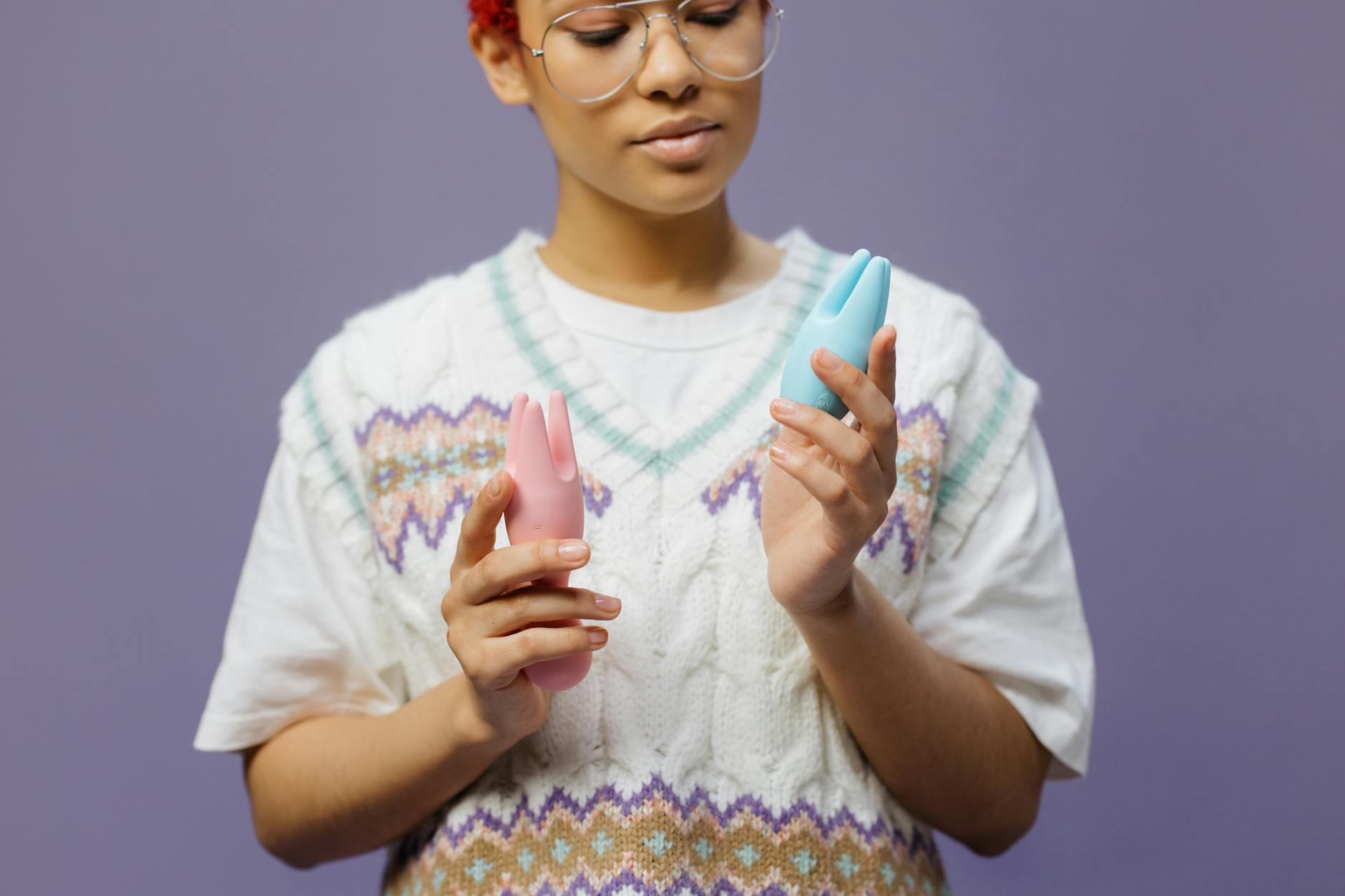
A lemon clitoral vibrator, like the ones Hello Nancy makes, uses gentle suction that creates a seal around the clitoris and then pulses air pressure. This does two things differently.
First, the suction itself creates engorgement. It draws blood into the tissue, which means you're not waiting for your body's hormonal landscape to cooperate with blood flow. You're actively creating it. This is huge during perimenopause when your natural engorgement might be delayed or incomplete.
Second, the sensation registers differently in your nervous system. Suction and pulse stimulation activate a different cluster of nerve pathways than direct vibration does. Studies on clitoral stimulation show that people often respond more consistently to varied sensation types. When one pathway is slightly less reactive because of hormonal shifts, having an alternative sensation pathway available means you stay in the game.
The result: lemon vibrators deliver more reliable, more consistent orgasms during perimenopause specifically because they don't depend on your body's hormonal baseline staying steady. They work with your body's current state rather than waiting for it to show up in a particular way.
The consistency factor matters more than you think
During my years working with couples through midlife transitions, I've noticed something: it's not the occasional difficulty with orgasm that damages intimacy or erodes confidence. It's the inconsistency.
When something works 90% of the time, you can roll with the 10% misfire. When something works 40% of the time and you don't know which 40%, you start avoiding the situation altogether. You stop trying. You assume something is broken. You pull back from your partner.
Lemon clitoral vibrators raise the floor. They lower the variability. They shift the experience from "maybe it'll work today" to "this reliably works."
For people navigating perimenopause, that psychological shift is as important as the physiological one. Knowing you have a tool that's going to work reliably means you stay engaged with pleasure rather than gradually stepping away from it.
How to think about settings and intensity
One thing that trips people up: lemon vibrators often feel different at different intensity levels than traditional vibrators do. The suction at setting 1 might feel more intense than you'd expect because it's creating engorgement plus sensation. The suction at setting 3 might feel like a completely different experience.
During perimenopause, this is actually an advantage. You're not locked into one type of stimulation. You can adjust not just the intensity but the sensation quality by moving between settings.
Start at a lower setting than you think you need. Let the suction build the response for 10-15 minutes. Then increase. You'll often find you reach orgasm faster and more reliably than you would with traditional vibrators where you need immediate intensity to feel anything.
When to pair lemon vibrators with other strategies
That said, lemon clitoral vibrators work best when you're also addressing the other perimenopause variables.
Lubrication still matters, even with suction-based devices. Water-based lube helps the seal form better and reduces any micro-friction that can feel uncomfortable on sensitive tissue. It's not because you're broken. It's because creating a better seal means better sensation.
Warmup time still matters. Suction technology is forgiving, but it works better when you've given your body 15-20 minutes to shift into arousal mode rather than expecting it to work on a cold start.
And if your perimenopause experience includes low desire, not just low orgasmic response, a lemon clitoral vibrator is a tool for sensation, not a libido drug. You'll need to address desire separately, possibly through conversation with your partner, stress reduction, or in some cases, with a healthcare provider about testosterone or estrogen therapy.
The real benefit during this life stage
I work with a lot of people in their 40s and early 50s navigating perimenopause alongside other major life shifts. What strikes me most is how often the loss of orgasmic consistency becomes a proxy for larger worries: Am I aging out of sexuality? Is my body betraying me? Will my partner still want me?
A lemon clitoral vibrator won't answer those questions. But by reliably delivering orgasms during a window when your body is genuinely in transition, it keeps pleasure on the table. It keeps you connected to your own capacity. It keeps you showing up for intimacy instead of stepping back.
That's not a small thing. That's actually the whole game during perimenopause.
FAQ: Lemon Vibrators and Perimenopause
Do lemon vibrators work if my estrogen levels are very low right now?
Yes, actually better than traditional vibrators in many cases. Because suction-based devices create engorgement actively rather than relying on your body to do it, they work when baseline estrogen is low. You might notice the effect more, honestly, because the suction is doing the work your hormones aren't doing as much of right now.
Will a lemon clitoral vibrator eventually stop working if I use it regularly?
No. This is a myth about all vibrators, but especially lemon vibrators. Nerve endings don't become desensitized to suction-based stimulation the way some people report becoming less responsive to monotonous vibration patterns. Varying the settings, taking breaks, and mixing up the rhythm prevents any habituation. The technology is different enough that it stays effective.
Can I use a lemon vibrator if I'm also on hormone therapy or considering it?
Absolutely. In fact, many people use both. Some are on HRT and still find lemon vibrators deliver faster, more consistent orgasms. Others use a lemon vibrator as a bridge while they're figuring out whether HRT is right for them. They're not mutually exclusive. A lemon clitoral vibrator is a pleasure tool, not a medical intervention.
What settings work best during perimenopause specifically?
Start low, go slower than you think. Perimenopause doesn't mean you need less sensation. It means you often benefit from sensation that builds gradually and creates engagement rather than demanding immediate response. Most people find settings 2-4 on a lemon vibrator deliver the sweetest spot during perimenopause. But you'll know your own body better than any guide can tell you.
If I've never used any vibrator before, is a lemon vibrator a good starting point?
Yes, especially if you're in perimenopause. Because the sensation is different from traditional vibration, some people who haven't found vibrators appealing before suddenly click with lemon technology. The suction feels less invasive and more enveloping to many people. Start with a lower setting, give yourself permission to explore without performance pressure, and see what your body tells you.
Can I use a lemon vibrator with a partner, or is it just for solo exploration?
Both. Many couples find that a lemon clitoral vibrator adds a new dimension to partnered sex, especially during perimenopause when solo orgasm might be easier to achieve than partnered orgasm. If you want to explore that path, clear communication helps. You might want to read more about how to use a lemon vibrator with your partner to navigate that conversation smoothly.
The bottom line
Perimenopause changes your body's arousal landscape, not your capacity for pleasure. Lemon clitoral vibrators are engineered for bodies in transition. They deliver consistent orgasms when hormonal fluctuation is making traditional vibrators hit-or-miss.
If you're in perimenopause and you've noticed your orgasm frequency or reliability shifting, trying a lemon vibrator is worth 15 minutes of your time. Your pleasure matters during this life stage just as much as it did before, and the right tool makes all the difference.
Want to explore more about navigating pleasure during hormonal shifts? Reach out to us at Hello Nancy. We're here to help you find what works for your body right now.