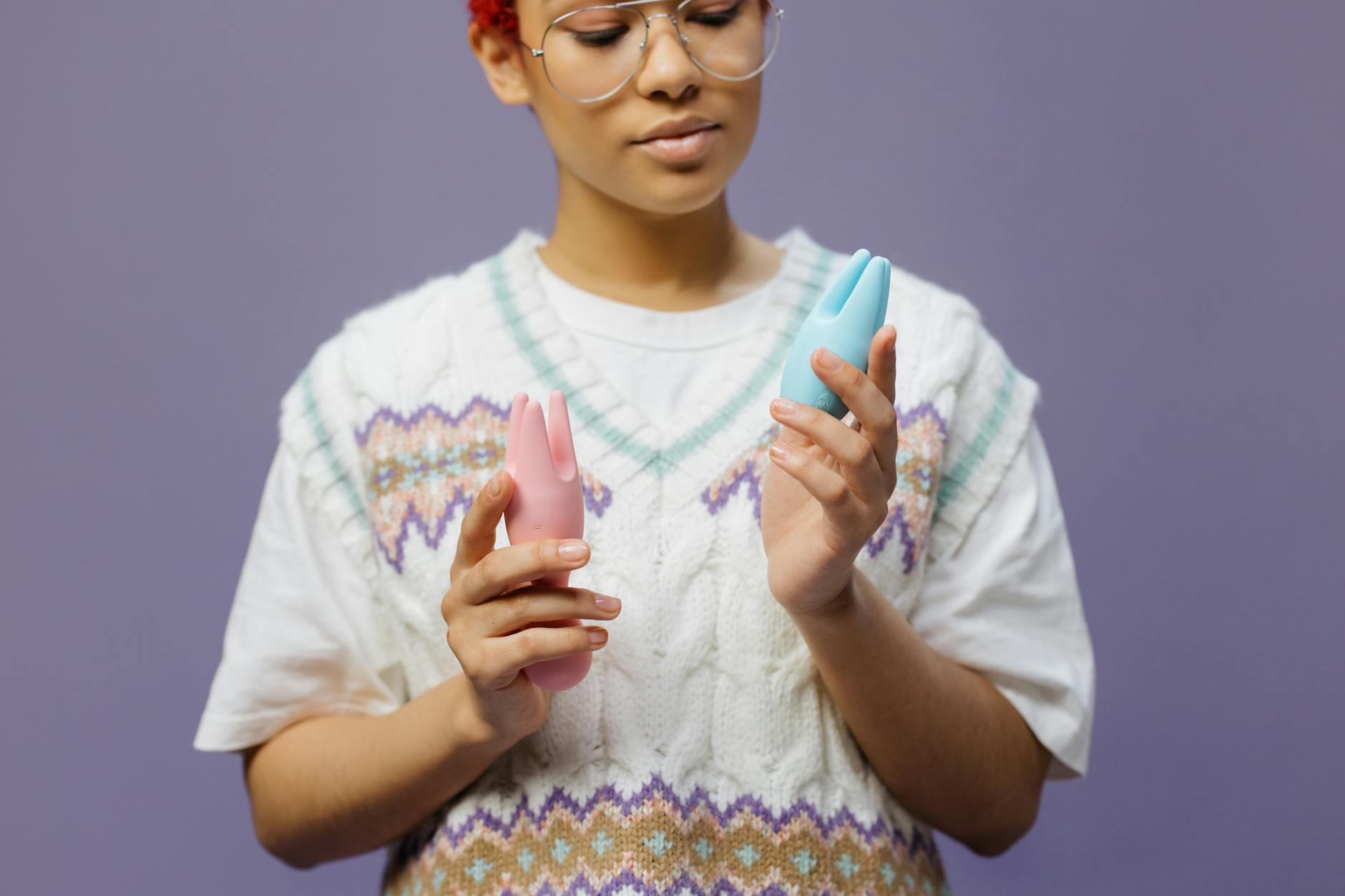
Let's be real about what low libido actually does
Low libido isn't just about not wanting sex. It's about disconnection. Your body stops sending signals. Your mind stops expecting pleasure. Over months, that absence becomes the new normal, and the idea of "wanting" again feels impossible. Then someone suggests you just relax or light candles, and you want to scream.
Here's what I've learned from working with couples through this: pleasure doesn't return through force or nostalgia. It returns through sensation. And sensation returns fastest when you're working with your nervous system, not against it.
Why lemon vibrators change the equation
Most vibrators are designed for someone who's already aroused, already in the game. They demand intensity. Lemon clitoral vibrators work differently. They use suction and gentle stimulation patterns that wake up nerves without requiring you to already be turned on. For someone rebuilding from low libido, that's the difference between a door that's locked and a door that's actually open.
The Lem vibrator specifically uses soft suction instead of traditional vibration. This means your body doesn't have to overcome a high threshold to register pleasure. Many people report sensation with the Lem at intensities where traditional vibrators would do nothing. That matters when your nervous system has been dormant for a long time.
What actually happens to your nervous system after low libido
Low libido isn't laziness or relationship failure. Usually it's your nervous system in a stuck state. Stress, medication changes, hormonal fluctuation, grief, burnout, medical trauma. Any of these can flip your arousal switch to off. The longer it stays off, the more your brain stops even trying to access pleasure pathways.
When you start using a lemon sucker or clitoral vibrator after a period of low desire, you're not forcing arousal. You're sending a signal to your nervous system that pleasure is possible again. That signal travels differently through your body than willpower or emotional connection alone ever could. It's sensation creating permission.
Starting over doesn't mean starting over alone
One of the biggest mistakes I see is people trying to rebuild pleasure solo, then panicking when they're not immediately interested. Your nervous system needs context. If you're partnered, having a conversation beforehand matters. Not a performance negotiation. Just honesty: "I've lost touch with this part of myself. I want to explore it again, and I might need patience."
Some couples use lemon vibrators together for the first time after low libido. That shared exploration can be more connecting than actual sex. You're both witnessing sensation return. That's tender. That rebuilds trust in a way performance never could.
If you're single, give yourself the same permission. Pleasure isn't urgent. It's not pass or fail. You're relearning your body, which is exactly as important and worthy as learning it for the first time.
The practical steps that actually work
If you're considering a lemon vibrator or other clitoral vibrator after extended low libido, here's what I recommend.
Start by getting curious about your body with no goal. Some people use a simple silicone vibrator like the Berri on the lowest setting just to notice sensation, not to reach orgasm. You're rebuilding the neural pathway that says "touch feels good," which has been dormant.
Second, give yourself 15 to 20 minutes without pressure. Low libido often comes with performance anxiety. The second you feel yourself getting tense, lower the intensity. Your body will speed up only after it believes it's safe.
Third, notice what patterns feel different. Some people find that patterns that used to work don't anymore. That's not broken. Your nervous system has changed. A lemon clitoral vibrator's variety of patterns (the Lem has multiple settings) lets you explore what feels right now, not what felt right a year ago.
Finally, don't expect orgasm to be the end goal for the first month. I know that sounds counterintuitive. But when pleasure has been gone, chasing orgasm often sends your body right back into performance mode. What you're actually rebuilding is sensation. Orgasm will follow once sensation is back online.
When medications are part of the picture
Antidepressants, blood pressure medication, hormonal birth control, certain antihistamines. All of these can tank libido. If your low desire started after a medication change, that's crucial context. Switching medications, adjusting dosage, or talking to your doctor about alternatives might be necessary. Lemon vibrators help rebuild sensation after that reset, but they're not a substitute for medical adjustment.
Same with hormonal shifts. Perimenopause, hypothyroidism, postpartum, and other changes cause real libido loss, not laziness. Once you've addressed the physical piece, a lemon sucker can help your body remember what pleasure felt like. But the medical piece comes first.
The emotional piece nobody talks about
Prolonged low libido often means something else is wrong too. A relationship isn't working. Work is consuming everything. You're grieving. Anxiety is ruling your life. You've lost touch with your body for a reason, and that reason matters.
A lemon vibrator can help rebuild the physical sensation of pleasure, but it won't fix a relationship that's stuck or a life that's unsustainable. What it does do is give you back a piece of yourself while you work on the bigger picture. Sometimes that reclamation of pleasure is the thing that gives you enough energy to also address what's actually underneath.
If you're doing this work and feeling completely stuck, talking to a therapist who specializes in desire and relationships can shift things. Pleasure recovery isn't always something you do alone.
Moving from recovery to actual enjoyment
Once sensation is back and orgasm is possible again, many people notice something unexpected. Their desire doesn't just return to baseline. It often feels different, deeper, more intentional. That's because you've rebuilt it consciously instead of taking it for granted.
This is also when having quality tools matters. A lemon vibrator or other clitoral vibrator that you actually like using becomes part of your regular self-care, not something you reach for only in crisis. Pleasure maintenance is just as important as pleasure recovery.
People also ask
How long does it take for libido to return after extended loss?
There's no universal timeline, but most people notice some return of sensation within two to four weeks of regular exploration with a device like a lemon clitoral vibrator. Full libido recovery, where desire feels natural again, often takes two to three months. The key is consistency, not forcing it. Your nervous system needs to be reminded repeatedly that pleasure is possible.
Can lemon vibrators work if I'm on antidepressants?
Absolutely. Many people on SSRIs use lemon vibrators successfully. The suction mechanism and varied patterns can often reach pleasure even when traditional vibrators can't. That said, if your medication is causing libido loss, talk to your doctor about that separately. A lemon sucker is a helpful tool, not a replacement for addressing the underlying issue.
What's the difference between a lemon vibrator and a regular vibrator for low libido recovery?
Lemon vibrators, especially the Lem, use gentle suction and soft stimulation patterns instead of intense vibration. For someone rebuilding from low libido, this matters because your nervous system doesn't have to be highly aroused already to feel sensation. You can wake up pleasure slowly instead of demanding intensity your body isn't ready for.
Is it normal to not feel much the first time I use a lemon clitoral vibrator?
Completely normal. Your nerves might literally need a few sessions to remember they can feel pleasure. Don't turn up the intensity to compensate. That usually backfires. Use the lowest setting and give your body time. Sensation often comes on gradually, not all at once. If nothing changes after a few weeks, that's worth mentioning to a doctor.
Should I use a lemon vibrator with my partner or alone first?
Honestly, it depends on your relationship and comfort. Some people find that solo exploration first takes the pressure off. Others feel more connected when they explore with a partner. There's no right answer. What matters is that you're not performing or doing it because you think you should. You're doing it because you want to rebuild this part of yourself.
Does using a lemon vibrator too much make it harder to feel sensation with a partner?
No. In fact, the opposite usually happens. Once you've rebuilt sensation with a clitoral vibrator, that sensation often carries over to partnered touch. Your nervous system has remembered that pleasure is possible. That memory doesn't disappear just because the tool changes. You're not replacing your partner with the device. You're reconnecting with your own capacity for pleasure, which actually deepens partnered connection.
The reset is just the beginning
Low libido that lasts months or years is your body's way of saying something needed to change. Sometimes it's the relationship. Sometimes it's stress or medication or grief. A lemon vibrator can help you reclaim pleasure while you figure out what's actually underneath. But the pleasure itself is just the signal. Pay attention to what that signal is telling you about what you need, and give yourself permission to ask for it. That's where real recovery begins.