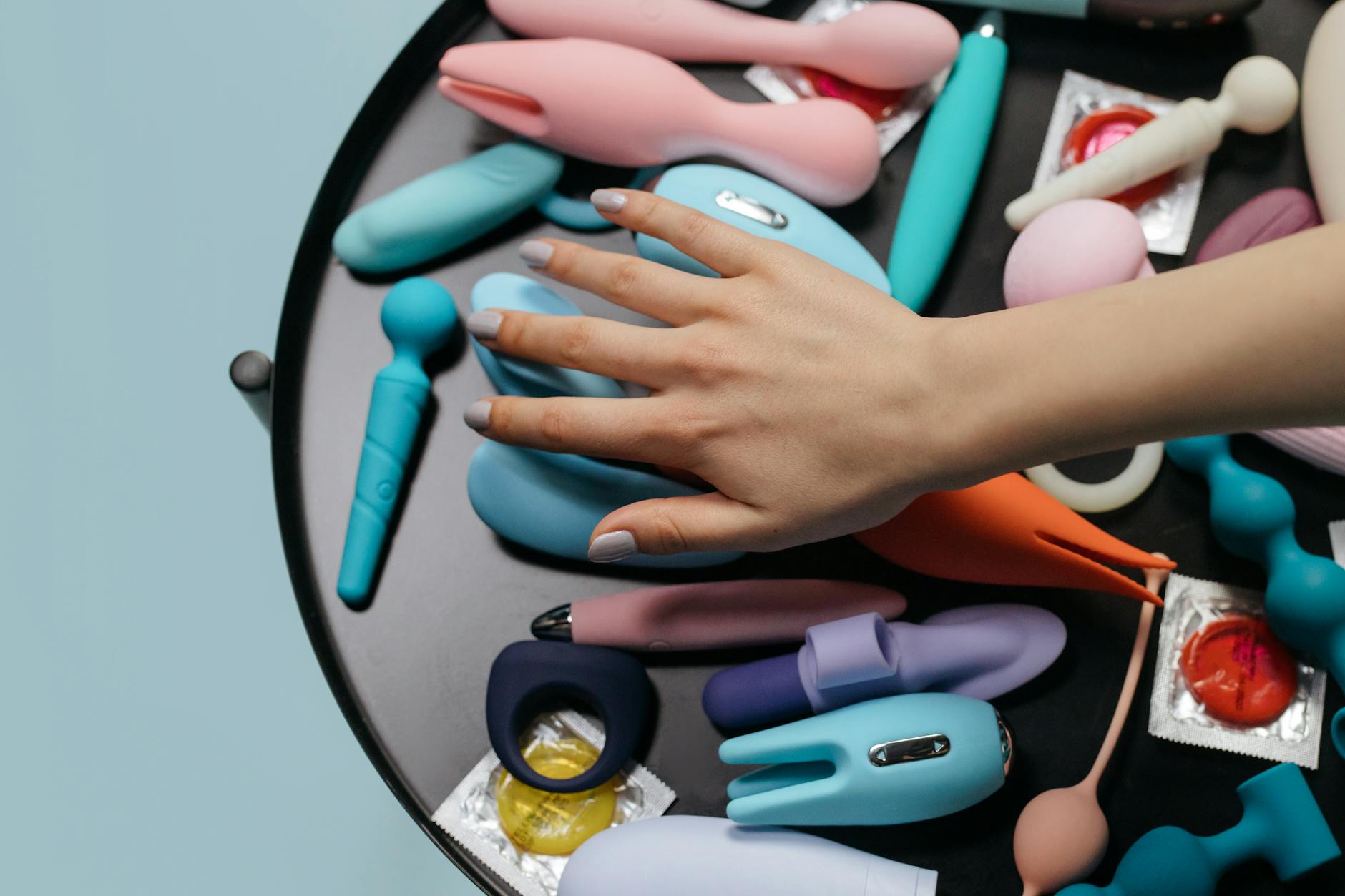
Most people who want to introduce a lemon clitoral vibrator into partnered sex don't actually have a problem with the vibrator. They have a problem with the conversation. The fear isn't "what if they don't like it?" It's "what if they think this means I'm not satisfied with them?" And that's where most couples get stuck.
Here's what I've learned working with couples: the introduction itself is less important than the frame you put around it. Get the frame right, and the vibrator becomes part of your shared pleasure. Get it wrong, and it becomes a symbol of something you never said out loud.
There are three anxieties hiding in this conversation, and naming them early saves you a lot of guessing.
First: the assumption that wanting a vibrator means you're not satisfied with your partner's body or effort. This is almost never true, but it lives in people's heads anyway. A lemon clitoral vibrator works because of how it stimulates the body, not because it's better than a person. But your partner might not know that distinction unless you spell it out.
Second: the worry that you're introducing something "weird" or demanding. Most people underestimate how many couples use toys. It's not niche. It's ordinary, and it works. But if you frame it apologetically, your partner will mirror that energy back.
Third: timing. Bringing this up mid-argument, late at night when someone's tired, or right before sex never ends well. Neither does waiting until you're already frustrated and blurting it out. The conversation needs oxygen.
Pick a moment that's calm, clothed, and not adjacent to sex. This isn't a bedside conversation. It's an actual conversation that happens over coffee or on a walk or when you have actual attention spans.
You want 15-20 minutes where interruption isn't likely. Your phone is somewhere else. Your kids aren't about to burst through the door. The goal is to talk about pleasure and desire in a way that feels grounded and normal, not rushed.
Timing matters too. Don't do this when your partner is stressed, hungover, or defensive about something unrelated. Save it for a moment when they're generally open. If your relationship tends toward specific rhythms (maybe Sunday mornings feel better than Friday nights, or vice versa), play to that.
The whole point is this: by choosing the time intentionally, you're signaling that this is important enough to deserve real attention.
Here's what doesn't work: "I have something to tell you." That triggers defensiveness immediately.
What works is curiosity. You're opening a door together, not announcing a decision you've already made.
Try: "I've been thinking about something, and I'd like your honest reaction. I'm curious about trying a clitoral vibrator together. Not instead of anything we already do, but alongside it. What comes up for you?"
Or: "I had this thought about something that might feel amazing for both of us. Can we talk about it?"
Or if you want to lead with data: "I read that couples who introduce toys often report feeling more connected afterward because they're more open about what they want. I'm curious if that could be us."
The common thread: you're naming what you want, you're framing it as collaborative, and you're genuinely asking for their perspective instead of pitching it like a sales call.
Defense is natural. Some partners hear "I want a vibrator" as "you're not enough," even though that's not what you said. Here's how to redirect that without getting stuck:
If they say: "I thought you were satisfied with me."
You say: "I am. And this isn't about replacing anything we do. It's about adding something. A lemon clitoral vibrator works differently than a hand or anything else. It's kind of like how a massage chair doesn't replace a hug. They're different things."
If they say: "That's weird."
You say: "Fair reaction. But most couples actually use them. It's become pretty normal. And I'm only interested if you're curious too. What would make this feel less weird to you?"
If they say: "Do I not turn you on anymore?"
You say: "You absolutely do. But my body responds to different kinds of stimulation at different times. That's just how bodies work, not a reflection of how I feel about you. I want us both to feel good. That's the whole thing."
Notice the pattern: you're staying curious, you're not over-explaining, and you're naming the actual fear they're expressing instead of arguing with the surface objection.
Honestly though, this is where a lot of people miss an opportunity. You've been thinking about this for you, which is fine. But your partner cares about themselves too.
Mention what's in it for them: "If you use a lemon vibrator with me, you get to see me more turned on. Some of my clients say that's one of the biggest benefits. You get the satisfaction of knowing you helped create that."
Or: "I'd love to use this together because I think it might help me orgasm more easily, which honestly makes sex better for both of us."
Or: "I'm interested in exploring what feels good for my body, and I'd like you there. If you want to be."
Frame it around pleasure and connection, not around what's lacking.
If your partner is willing but uncertain, great. Now you move to logistics, which honestly is the easiest part.
Talk about: When would you want to try it? Would you prefer I use it on myself while you're inside me? Do you want to hold it? Do you want to learn how it works first, or just experiment? Should we set a low-pressure first time where we're just seeing what happens, not trying to "accomplish" anything?
These are practical questions, and they have practical answers. A lemon clitoral vibrator, like the Lem, comes with instructions. You're not figuring this out in the dark.
The conversation shifts from "is this a good idea?" to "how do we want to do this?" That's progress.
Sometimes the answer is "I'm not sure yet." That's not a no. It's a maybe.
When someone says that, the move is: "Cool. No pressure. I'm not going anywhere. If you want to think about it, ask questions, or just come back to it later, that's fine. I brought it up because I trust you and because I want us both to feel good. Whatever you decide is okay."
Then actually drop it. Don't bring it up again in a week or keep hinting. They'll either come back to it, or you'll circle back naturally when it feels right.
Pressuring someone into trying something sexual never ends well. You want genuine interest, not reluctant compliance.
When you actually use a lemon clitoral vibrator together for the first time, leave space for a check-in afterward. Not immediately, not in a clinical way. But maybe later that day or the next day: "So. How was that for you?"
Listen to what they say without getting defensive. If they loved it, great. If they're neutral, that's okay too. If they didn't enjoy it, ask what would make it better next time. Maybe the rhythm wasn't right. Maybe they were nervous. Maybe they don't love vibrators in general.
The point is this: the conversation doesn't end when you try it once. It's ongoing. Pleasure is ongoing. Desire shifts. Communication deepens. That's the whole relationship.
Here's what I tell couples: introducing a lemon clitoral vibrator is really about introducing honesty. It's about saying "I want pleasure," "I know my body," and "I want you there while I explore that." It's about asking your partner to be curious instead of defensive.
That skill transfers everywhere. You get better at asking for what you want. Your partner gets better at hearing that without making it about themselves. That's the actual gift.
Not if you frame it clearly. The script works: "This isn't about you. It's about my body's response to different kinds of stimulation. I want you involved because I'm attracted to you and I want us to experience this together." Saying it once, saying it clearly, and then not over-explaining usually lands better than over-reassuring.
Respect that boundary, but also ask what's underneath. Sometimes it's a cultural thing, sometimes it's an insecurity, sometimes it's just unfamiliarity. A question like "What makes you uncomfortable about this?" opens a conversation. If they won't engage at all, that's a sign there might be deeper issues worth exploring with a couples therapist. But one refusal isn't a forever no.
No. Actually, couples who've been together longer often find toys helpful because they've gotten comfortable with each other and can talk about desire more openly. Desire changes. Routine happens. A lemon clitoral vibrator can reset the energy.
Start smaller. Ask about pleasure in general. "What's something that feels really good to you?" "What have you always been curious about?" Build the foundation of being able to talk about bodies and desire first. Then the vibrator conversation is easier because you've already broken the ice.
Order it online. It arrives in discreet packaging. Hello Nancy specializes in this, so the whole experience is designed to feel normal and respectful. No one's watching. The awkwardness is mostly in your head.
Yes. Especially if they're nervous. Let them see it, hold it, ask questions. A lemon clitoral vibrator isn't intimidating once you're actually looking at one. Demystification helps. You can show them how it turns on, what the settings are, what it feels like. Removing the mystery removes a lot of the hesitation.
You deserve pleasure. Your partner deserves to know you want it. And together, you both deserve the conversation that gets you there. Start with one honest sentence. Listen to what they say back. Stay curious. The vibrator will follow.
If communication feels stuck or you're hitting the same arguments repeatedly, that's not a vibrator problem. That might be worth exploring with someone trained in relationship dynamics. But most of the time, the conversation itself is the breakthrough.
Your pleasure matters. And saying so out loud is the first step.