Here's what nobody tells you about caregiver stress
You're managing your parent's medications, coordinating with siblings who aren't pulling their weight, attending doctor appointments, handling insurance calls, and still trying to keep your own life from completely dissolving. Then your partner reaches for you at night, and you feel... nothing. Or worse, touched out. Or overwhelmed by the guilt that you have nothing left to give.
That's not a relationship problem. That's a nervous system that's been running in survival mode for months.
When you're deep in intensive caregiving, desire doesn't vanish because you stopped loving your partner or yourself. It vanishes because chronic stress has dampened your capacity to feel pleasure at all. And the guilt you layer on top of that dampening makes it even harder to access.
I've worked with hundreds of adult children managing aging parents, and the pattern is always the same. Desire and pleasure are the first things to go when stress goes up. But they're also the fastest things to come back when you create small, intentional moments to access your body again.
Why caregiver stress specifically kills arousal
It's not just "being busy." Busy people have sex. What caregivers experience is hypervigilance. Part of your nervous system is always alert, always listening for a fall, a call bell, a crisis. That's incompatible with arousal.
Arousal requires a brain state called parasympathetic activation. It's the rest-and-digest nervous system. Caregiving is sympathetic activation. Fight-or-flight. The two don't coexist.
Add to that the role compression. You're not just a partner or a person anymore. You're a nurse, a financial planner, a therapist, a daughter or son. Your partner sees you in those roles. You see yourself in those roles. The sensual, desiring version of you gets filed away because there's no cognitive or emotional space for her.
The third piece is touch fatigue. You've been touched all day. Your parent needed help with personal care, or grabbed your arm when standing, or sat close needing comfort. Your touch quota for human connection is already spent. The idea of more touch, even consensual, desired touch, feels like an overwhelming demand.
None of this means your relationship is broken. It means your nervous system needs a specific kind of reset.
Why clitoral vibrators work differently in this context
When you're caregiving at this intensity level, partnered sex often feels like one more task. One more thing you have to show up for emotionally. One more performance.
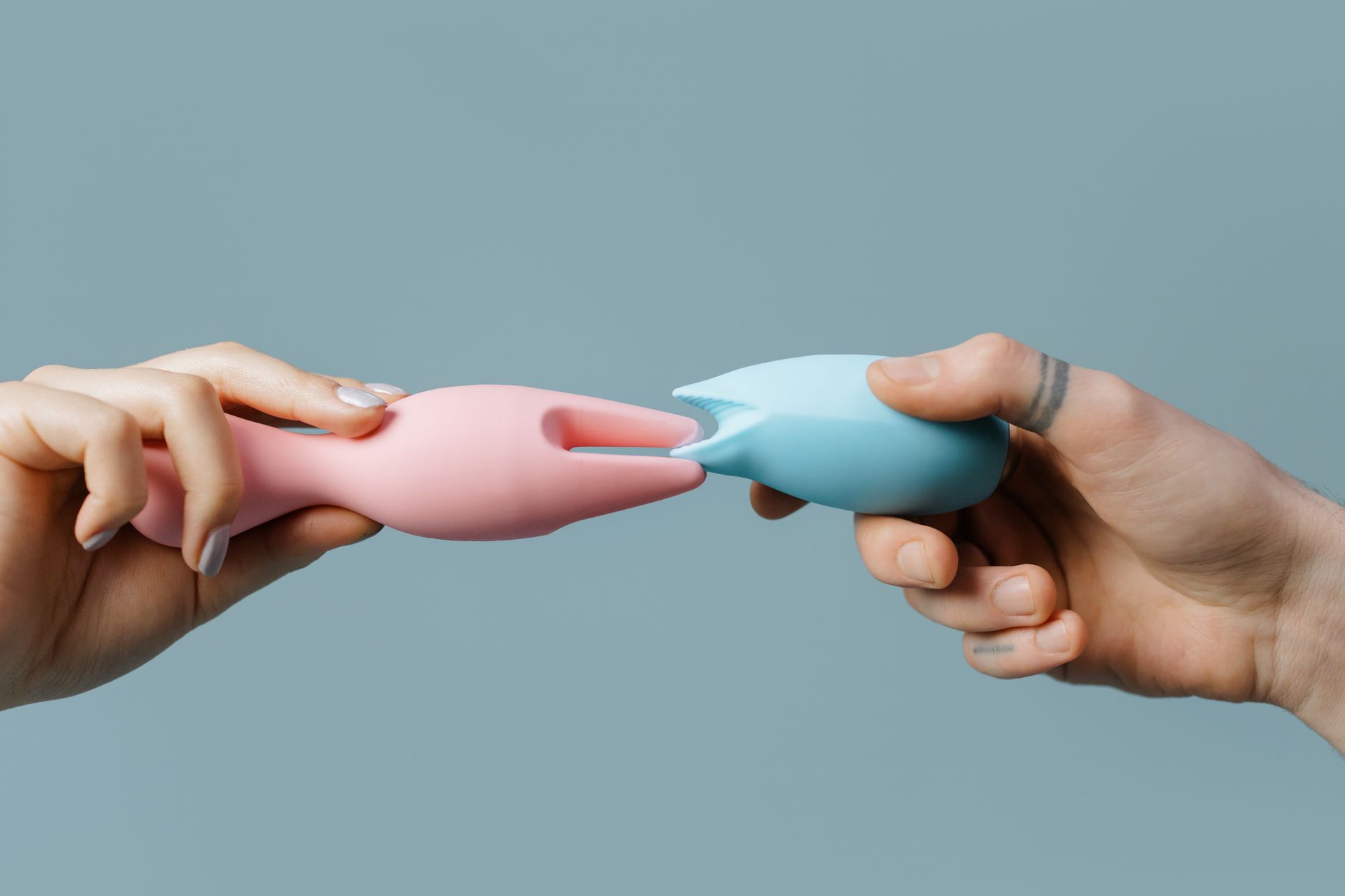
A clitoral vibrator, especially something designed for quick and efficient sensation like a lemon sucker vibrator, works because it's entirely yours. It's solo, it's fast, and it doesn't require you to be present for someone else's pleasure.
For the first few months back into pleasure, that matters wildly. You need to remember what your body feels like when it's not serving anyone else. When it's just... there. Feeling something.
The suction-based design of lemon vibrators is particularly valuable here. You don't have to build toward anything or manage pacing. The sensation is consistent and concentrated. You can set it and let your nervous system respond, rather than having to think, perform, or manage another person's experience.
Many caregivers tell me that even ten minutes with a clitoral vibrator becomes a form of meditation. Not because it's spiritual, but because it's one thing where you're not problem-solving, managing, or being responsible.
How to actually make time when time doesn't exist
I'm not going to tell you to "schedule intimacy" like you don't already have a calendar that's choking on commitments.
Instead, steal back five minutes. Not in the evening when you're wrecked. Not when your partner is still awake and it feels like something you should do together. But in the morning before caregiving starts, or during the one window when your parent is occupied with something else.
Five minutes with a lemon vibrator is enough to remind your nervous system that pleasure is still possible. That your body can feel sensation without anyone needing anything from you.
The pattern I've seen work is this. One solo session early in the process, just to break the seal. Then, once that feels less foreign, one quick solo session before or after your partner initiates something together. That resets your nervous system just enough that partnered sex feels less like an obligation and more like something you're choosing.
Your partner doesn't need to be in the room. You don't need to make it a big production. You're literally just claiming back the right to feel your own body in private, without explanation, without it being foreplay to anything else.
Reconnecting with your partner without adding pressure
There's a conversation that usually needs to happen here, and it's not comfortable. It's something like, "My desire is low right now, and it's not about you or us. It's about the fact that I'm in survival mode. I need time to feel my own body again before I can feel connected to you."
Most partners, once they understand this isn't personal rejection, become allies. Some will even take on more caregiving so you have space back. Some will give you privacy for solo time because they understand it's not about them.
Where it gets tricky is if you're using solo pleasure as a replacement for partnership, rather than as a bridge back to it. The goal isn't to retreat from your partner. It's to restore your own nervous system so you can be present again when you're together.
Once you've had a few solo sessions and your body feels a bit more accessible to yourself, suggest something low-pressure to your partner. Not sex. Maybe just being naked together. Or a long massage that isn't going anywhere. The goal is to reintroduce touch without the performance pressure.
Then, when you do have sex, use your vibrator as part of it. Many caregivers find that having control of their own pleasure (rather than being recipient-only) actually makes partnered sex feel better. You're not waiting to be aroused by your partner. You're using your own device to generate arousal while they're present, and then you can welcome penetration or other connection from a place of readiness rather than obligation.
The guilt piece, which might be the biggest piece
You probably feel guilty for not feeling desire. Guilty for using a vibrator instead of being fully present with your partner. Guilty for taking ten minutes for yourself when there's so much else that needs doing.
Let me reframe it: reclaiming your nervous system's capacity for pleasure is not selfish. It's triage. You cannot pour from an empty cup, and right now your cup has a hole in it. Pleasure is how you patch that hole.
Your partner benefits when you feel better. Your parent benefits when you're not running on fumes. And you benefit because you get to remember that you're a person with sensations and desires, not just a role.
This is temporary, by the way. Caregiving phases end. Your parent will eventually need professional care, or the intensity will shift, or they will pass. When that happens, your nervous system will have room to breathe again. But right now, in this season, claiming back access to your own pleasure is an act of self-preservation.
Starting small and tracking what shifts
Don't make this complicated. Buy or pull out a clitoral vibrator. The Lem or a similar lemon vibrator is perfect for this because it's quiet and fast. Set a timer for five minutes one morning this week.
Notice what shifts. Not just in your body, but in your mood for the next few hours. In how you feel when your partner touches you. In whether that touch-fatigue eases at all.
Most caregivers report that even one session shifts something. Their nervous system loosens. Their body feels like theirs again. And that small shift creates permission for the next one.
After a month of this, check in with your partner about partnered sex without pressure or timeline. You might find that ten minutes of solo pleasure a few times a week actually makes coupled intimacy feel possible again.
People also ask
Is it selfish to prioritize solo pleasure when my partner wants connection?
No. When you're in caregiver burnout, your nervous system needs to remember what pleasure feels like before you can share it. Ten minutes of solo reset often makes partnered intimacy feel possible again, whereas pushing yourself to perform partnered sex when you're touched out usually makes things worse. Your partner benefits from you feeling good in your own body.
How do I use a lemon vibrator or clitoral vibrator when I have zero privacy at home?
Most caregivers find five minutes in the bathroom works. Lock the door, use a quiet vibrator like a suction-based lemon vibrator, and keep it brief. Or wake up fifteen minutes early before caregiving starts. You don't need hours or elaborate setup. You need intentional privacy and five minutes of time that's just yours.
Will using a vibrator make partnered sex feel less satisfying?
Actually the opposite. When you're caregiving, not using a vibrator often means suppressing pleasure altogether because your nervous system is too dysregulated to respond naturally. Using one solo helps you remember what arousal feels like, which makes coupled sex feel better, not worse.
Should I tell my partner I'm using a vibrator for stress relief?
That depends on your relationship and communication style. Some partners love knowing and feel relieved that you're caring for yourself. Others might feel defensive. If you decide to tell them, frame it as what it is: a way to reset your nervous system so you can be more present overall. If you keep it private, that's also fine. This is about your own body and your own consent.
Can I use a lemon vibrator during partnered sex if I'm exhausted?
Yes, and it often helps. Many caregivers find that using their own vibrator during partnered sex actually feels better than waiting to be aroused by a partner. You're generating your own pleasure while they're present, which means you're not asking your dysregulated nervous system to respond in a particular way.
How long does it take for desire to come back when you're caregiving?
It depends on how intense the caregiving is. If you're managing it alongside a full job, it might take longer. But most people report noticing a shift within a month of consistent solo pleasure sessions. Your nervous system begins to remember that it's safe to feel good. From there, partnered desire usually follows.
Caregiving is one of the most isolating roles you can take on. Your body gets absorbed into someone else's needs. Your time becomes fractional. Your nervous system runs hot.
Reclaiming pleasure is not a luxury in this season. It's the thing that keeps you tethered to yourself. And a clitoral vibrator becomes less of a toy and more of a tool for staying human while you're holding space for someone else's fragility.
If caregiving is reshaping your intimacy right now, reach out. We can talk through what reconnection might look like for you and your partner during this phase.