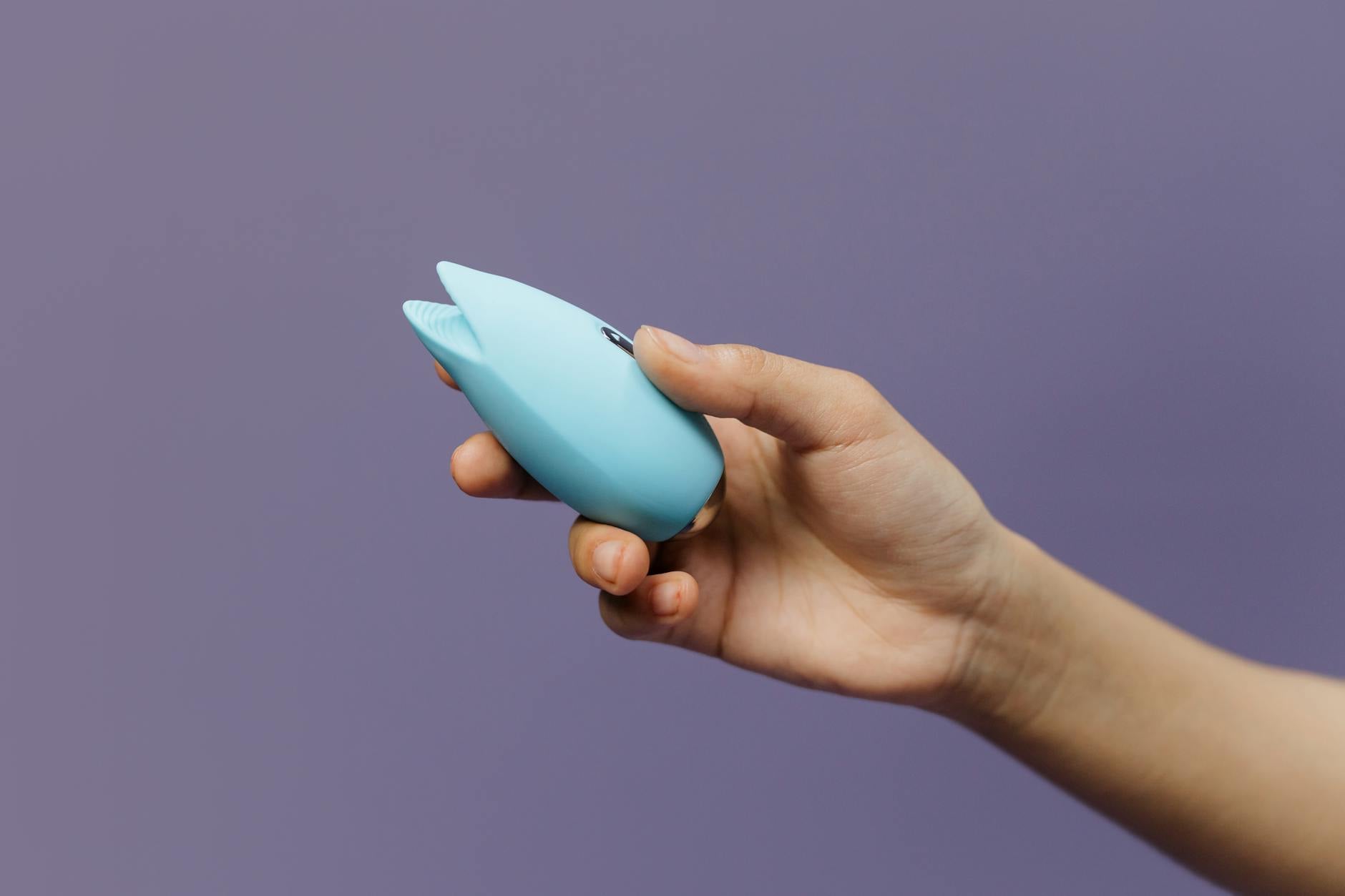
Here's what nobody tells you about desire and hormones
Hormonal changes don't kill desire. They reroute it. That's the distinction most people miss, and it's the difference between thinking "my body is broken" and understanding "my body is just operating on a different timeline."
When estrogen, progesterone, or testosterone shift—whether from perimenopause, birth control, postpartum recovery, or other life transitions—your arousal pattern changes. The spark doesn't vanish. The fuse just gets longer.
What actually changes when hormones shift
Let me separate the physiological facts from the cultural myths. When hormones fluctuate, three things happen to sexual response:
Arousal takes longer to build. Estrogen primes the nervous system for faster arousal. When it drops or shifts, the brain's arousal circuitry still works—it just needs more stimulation or more time. A 5-minute warm-up becomes a 15-minute one. That's not dysfunction. That's a different operating system.
Lubrication changes. Lower estrogen means thinner vaginal tissue produces less natural lubrication. Water-based lubricant fixes this in seconds. This is biology, not a sign that desire is gone.
Sensation sensitivity shifts. Some people report numbness. Others find that pressure feels too intense. This happens because tissue thickness changes and nerve ending density responds to hormonal environment. Neither pattern is permanent or unfixable.
Here's what stays the same: the clitoris still responds to stimulation. The brain still produces orgasmic pleasure. The neural pathways for arousal are still intact. Your capacity for intense sensation is not gone—it's recalibrated.
Why arousal feels weaker (when it's actually just different)
Imagine your arousal system like a car engine. Hormones are the fuel quality. When the fuel changes, the engine still runs. It just might start slower or need different RPMs to hit peak performance.
Many clients in my practice report this pattern: they stop initiating sex because the old pathway (spontaneous desire, immediate response, quick escalation) no longer works. They interpret this as lost desire instead of recognizing it as a shift in desire pattern. Then they stop trying. Then it actually does feel like it's gone.
But here's what happens when they use the right approach—slower warm-up, direct clitoral stimulation via lemon vibrators, lubrication, permission to extend foreplay—desire comes roaring back. Not the old version. A new version that often feels deeper because it's less automated and more conscious.
The role of clitoral vibrators during hormonal transitions
A quality clitoral vibrator like those from Lemon Pleasure Toys becomes a bridge tool during hormonal change for one reason: it bypasses the arousal lag.
When you're waiting for natural lubrication that's slower to arrive, or when spontaneous sensitivity isn't building, direct clitoral stimulation delivers consistent, measurable sensation to the nerve endings that matter most. The clitoris has 8,000 nerve endings concentrated in a tiny area. A vibrator speaks directly to that system.
Lemon vibrators—particularly the suction-style design—work especially well because they don't rely on friction sensitivity the way older vibrators do. Suction creates a gentle pressure envelope around the tissue. For people whose sensation has become sensitive to direct pressure, or who need broader stimulation to trigger response, this pattern feels revelatory.
Start at lower settings. Work up. You're not looking for the fastest path to orgasm anymore. You're looking for the sensation that reconnects you to pleasure. That changes when hormones change.
Building desire back when it feels absent
Four practical steps that shift the dynamic:
1. Separate solo exploration from partnered sex. If you're in a relationship, the expectation to perform or be "ready" adds cognitive load that kills arousal further. Solo time with a vibrator—no pressure, no timeline—lets you rediscover sensation without performance anxiety. This is not selfish. This is research.
2. Extend your warm-up deliberately. Don't wait for arousal to show up. Create conditions for it. This means 15-20 minutes of touch, thought, visual stimuli, or fantasy before any penetration or toy use. Boredom is not the enemy here. Rushing is.
3. Use lubrication from the start. Not because something is wrong. Because it removes friction barriers and signals to your brain that sensation is happening. Water-based lube works with any toy, including lemon clitoral vibrators.
4. Track what works. Hormonal changes are cyclical (if you still have a cycle) or flat (if you don't). Over two to three weeks, notice which settings, which types of touch, which times of day bring sensation back most reliably. This is your new map.
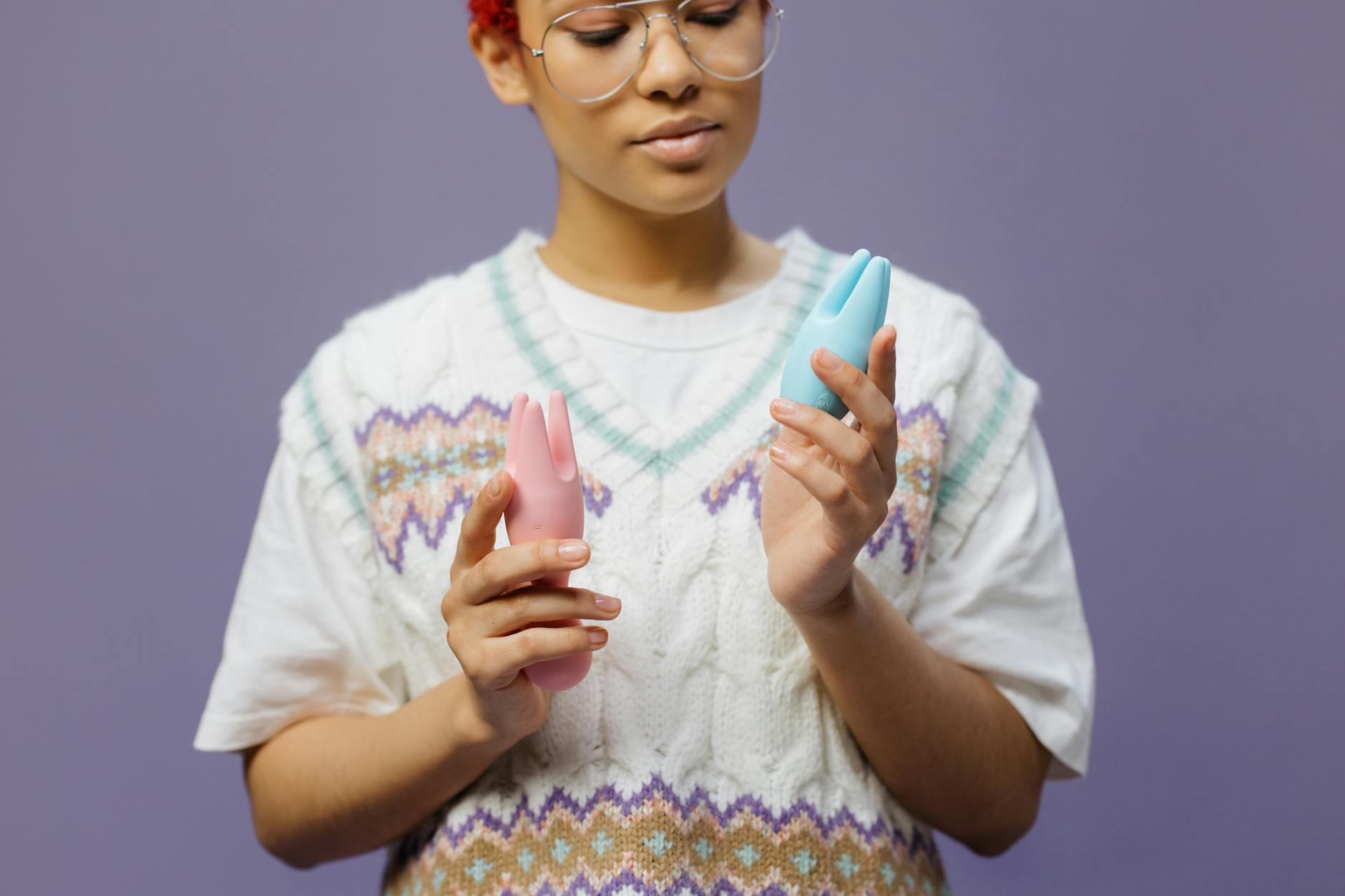
Photo by cottonbro studio on Pexels
When to see a doctor about hormonal desire loss
If you've tried extended foreplay, lubrication, vibrators, and longer warm-up time for three months and feel zero return of arousal or sensation, hormonal testing is worth pursuing. This isn't failure. This is data.
A provider trained in sexual health can check whether:
Your testosterone is clinically low (it's not just an estrogen story; people with vulvas produce and respond to testosterone too).
Your thyroid is sluggish (thyroid dysfunction absolutely flattens desire and energy).
Your cortisol is chronically elevated (stress hormones suppress arousal hormones—this is real and fixable).
The conversation with a doctor also normalizes that desire changes with hormones. You're not broken. Your system is responding to a real physiological shift. Treatment exists.
How to talk to your partner about this shift
If you're coupled, the worst approach is silence. The best is specificity. Instead of "I don't want sex," try: "My body needs 20 minutes of touch before I feel turned on now, and I need lube from the start. Let's build that in."
Instead of "I never want to try toys," try: "I want to explore a lemon vibrator solo first, then we can figure out how it fits into our time together."
Instead of "You never turn me on anymore," try: "My arousal timeline shifted. This isn't about you. It's about my body operating differently. Let's adjust the approach."
These conversations are vulnerable. They're also the ones that actually rebuild desire in partnerships. Resentment kills arousal faster than any hormone ever could.
The plot twist most people miss
When clients rebuild arousal after hormonal changes, they often report that their new desire pattern is better than the old one. Why? Because slower doesn't mean weaker. It means more conscious.
When arousal builds slowly, you notice it. You're present for it. You can actually feel the arc of your own pleasure instead of just reacting to automatic response. For many people, this becomes the most satisfying sex of their life.
Hormonal changes feel like a loss at first. Often, they're a redirect toward something richer. The right tools—like lemon clitoral vibrators and patience with your own timeline—make that redirect feel possible.
People also ask
How long does it take for desire to return after hormonal changes?
It depends on the type of hormonal change. If it's birth control, sometimes 2-3 months after adjustment. If it's perimenopause, the timeline is messier because hormones are fluctuating—you might have weeks of good arousal followed by weeks of flatness. If it's postpartum, 3-6 months of consistent practice with the approaches above usually shows measurable return. The key is not to give up in week two and conclude it's permanent.
Can a clitoral vibrator help if hormones are the problem?
Absolutely. A vibrator bypasses some of the arousal lag by delivering direct, consistent stimulation to the clitoris—which is the most nerve-dense part of the vulva and the least affected by hormonal shifts. You still need the other pieces (lubrication, time, reduced pressure), but a quality vibrator from Lemon Pleasure Toys can absolutely be the tool that makes sensation noticeable again.
Is it normal for arousal to feel weaker during hormonal transition?
Completely normal. Estrogen primes your nervous system for arousal response. When it fluctuates or drops, the response is literally slower to activate. This isn't dysfunction or loss of desire. It's a biological shift that every person with changing hormones experiences. The shame around it is cultural, not medical.
Should I use lube if hormonal changes haven't affected lubrication yet?
Yes. Even if natural lubrication feels fine, additional water-based lubricant extends sensation and reduces friction during longer sessions. It's not a sign that something is wrong. It's optimizing comfort and sensation. Start with it from day one if you're rebuilding desire—one less barrier between your body and pleasure.
What if my partner wants sex but my arousal has slowed down?
This is the real conversation that needs to happen. The mismatch isn't incompatibility. It's mismatched timelines. The solution is adjusting your approach together—longer foreplay, different types of stimulation, toys that work for your body now. Many couples find that slowing down and being intentional about arousal actually deepens the connection.
Can hormonal changes permanently change my desire or sensation?
Some shifts are permanent (postmenopausal tissue changes, for example), but "permanent" doesn't mean "fixed in place." Your body adapts. New tools and techniques emerge. Sensation that feels numb at month one often returns by month four. Desire that flatlines in spring might rebuild by autumn. Give yourself a real runway—at least three months—before deciding anything is permanent.