Here's what nobody tells you about arousal after a breakup
When a long relationship ends, your nervous system doesn't get a memo. Your body has spent years—maybe decades—calibrated to another person's presence, rhythms, and touch. Breakups aren't just emotional. They're neurological. Your vagus nerve, your dopamine pathways, your entire erotic nervous system has been synchronized to someone else. Suddenly, that synchronization is gone.
This isn't about missing the person. This is about your body losing its familiar context for arousal. Many people describe this as feeling numb, asexual, or completely disconnected from desire. Others say pleasure feels wrong without a partner. Some experience intrusive thoughts that sabotage the moment.
All of this is normal. And all of it is fixable.
What actually happens in your nervous system during a breakup
Your parasympathetic nervous system (the relaxation system) has been conditioned to activate in the presence of your ex-partner. When that person disappears, your nervous system doesn't automatically rewire. It stays in a kind of dormant state. Meanwhile, your sympathetic nervous system (fight-or-flight) is often in overdrive from the stress and loss.
This is why arousal feels impossible. Your body isn't saying you're broken or asexual. It's saying: I don't recognize this context. I don't have a pathway here.
The good news is that your nervous system is plastic. It can learn new pathways. It can be retrained. And lemon clitoral vibrators—specifically their unique suction mechanism—are exceptional tools for this retraining because they work with your nervous system rather than against it.
Why suction-based stimulation helps more than other vibrators right now
After a long relationship, many people find that traditional vibration feels too aggressive or too familiar (if a partner ever used one with them). Suction works differently. It doesn't hammer at the clitoris. Instead, it creates a gentle rhythmic pulse that mimics the body's own arousal response. This gentleness matters when your nervous system is fragile.
Lemon vibrators like the clitoral sucker operate on air-pulse technology, which many users describe as feeling more natural and less clinical than direct vibration. The sensation is concentrated but not jarring. For someone rebuilding arousal after loss, this distinction is everything.
Suction also distributes pressure more evenly across the clitoral head and surrounding tissue, which means you're less likely to overstimulate sensitive areas or create pain responses. You're building positive association, not pushing through discomfort.
The first step: disconnecting pleasure from partnership
Let's be direct. If you spent 5 or 15 or 30 years having partnered sex, your brain has hardwired pleasure to partnership. Solo exploration might feel selfish, wrong, or acutely lonely at first. This is the cognitive part of the breakup that nobody addresses.
Start here: frame solo pleasure as reclamation, not replacement. You're not trying to replicate what you had with a partner. You're learning who you are as a solitary sexual being. This is new data about yourself.
Using a lemon vibrator solo is deliberate practice in self-pleasure. Each session rewires your brain's association between pleasure and solitude. Instead of pleasure equaling partnership, pleasure starts to mean: I am taking care of myself. I deserve this. My pleasure is mine.
How to actually use lemon adult toys to rebuild arousal
Start small. Not with intensity, but with frequency and ritual.
Week one through three: exploration without pressure. Set aside 20 minutes, ideally in the evening when your nervous system is winding down. Create a physical space that feels sacred or at least private. Put your phone away. Turn the lights to whatever setting feels good.
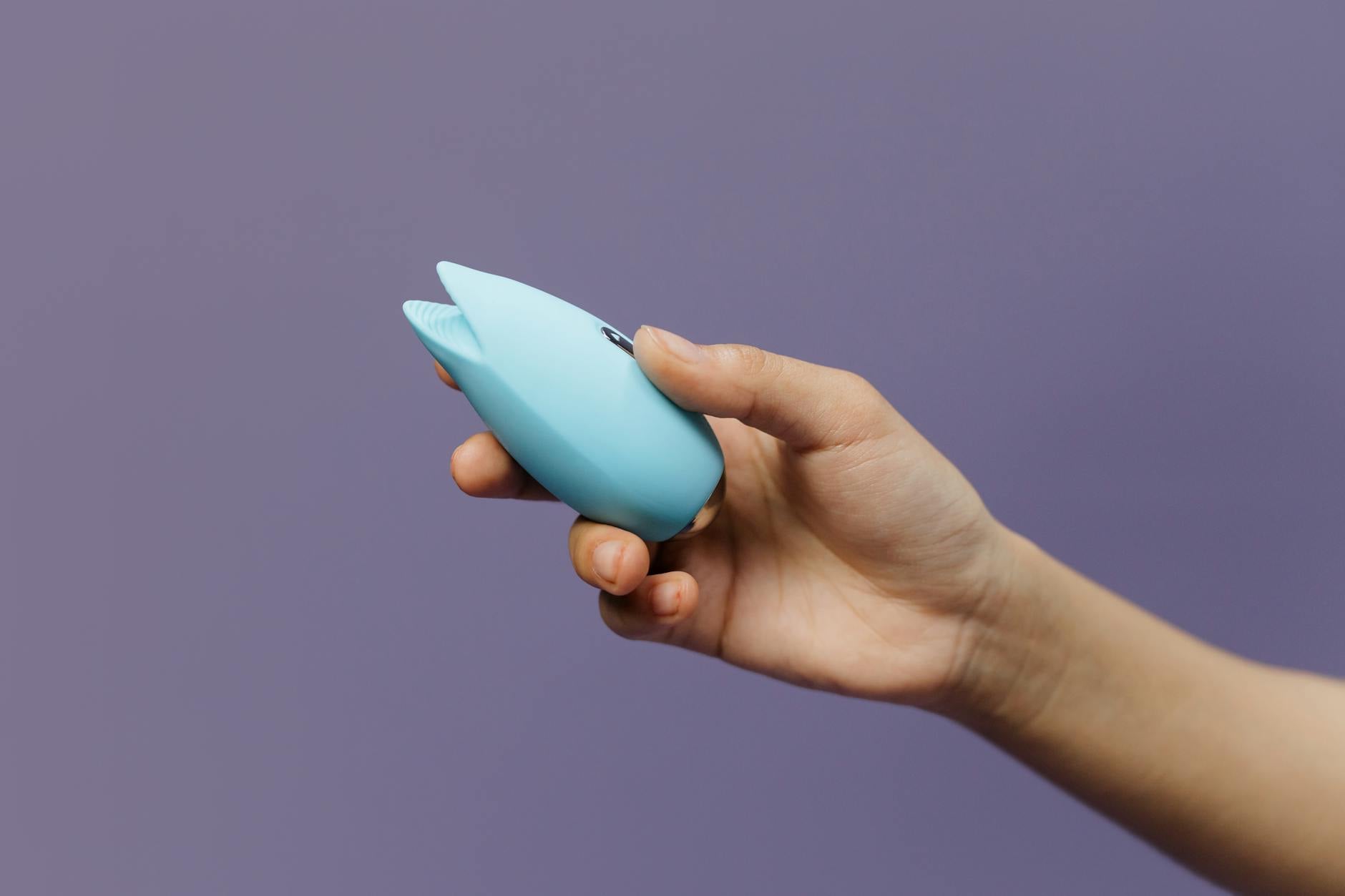
Hold the lemon vibrator, but don't use it yet. Just sit with it. Feel the weight. Look at the color. This sounds silly, but desensitization happens when we skip this step. You're introducing your nervous system to a new object.
Then try it on the lowest setting (usually pattern 1 or 2 on lemon clitoral vibrators). Don't aim for orgasm. Aim for curiosity. What does this feel like? Is it pleasant? Does it feel intrusive? Does your mind wander? All of this data matters.
Week four onward: intentional arousal building. Once the tool feels neutral or mildly pleasant, start extending your warm-up. Spend 5 minutes on non-genital touch: your breasts, your neck, your inner thighs. Then introduce the lemon vibrator.
The pattern here mirrors what your partner might have done (or didn't do). You're essentially teaching your body that arousal can build gradually without another person initiating it. This is the rewiring.
When intrusive thoughts appear (and they will). Your brain might flash to memories of your ex, or generate anxious narratives. Don't fight them. Notice them. Pause the vibrator. Breathe. Then resume. You're teaching your nervous system that pleasure can exist alongside difficult feelings. This is resilience.
The role of lube and pacing in rebuilding sensation
After a breakup, lubrication matters more than you might think. If you've been in a long relationship, your body knows the rhythm of your partner's touch. Suddenly, that rhythm is gone. New sensations—even pleasant ones—can feel jarring.
Use a water-based lubricant generously. This isn't because something is wrong with you. It's because lubrication smooths the neural pathway between the clitoral surface and the underlying nerve cluster. It makes sensation more coherent, less scattered.
Pace matters too. Many people returning to solo play after a long partnership rush toward orgasm as a finish line. Resist this. The goal right now is to rebuild your capacity to experience pleasure without outcome. Some sessions won't end in orgasm. That's success, not failure.
What happens when grief or anger show up during pleasure
This is real and it's common. You might be using a lemon vibrator, feeling arousal building, and suddenly you're crying or furious. Your nervous system is processing the loss in real time.
Honestly? Let it happen. Arousal and grief are both activation states. Your body sometimes processes them in the same container. This doesn't mean you should stop using lemon sexual toys. It means you're doing the work.
If the sensation becomes overwhelming, you can pause and return later. But if you can stay present with the feeling while continuing gently, your nervous system integrates the message: pleasure is safe even when I'm grieving.
When to introduce partnered play again (and how lemon vibrators fit in)
There's no timeline here. Some people are ready after three months. Others need a year. Here's the marker: you're ready when solo pleasure feels genuinely good and not like a desperate replacement.
When you do start dating or engaging with new partners, lemon clitoral vibrators can bridge the gap between solo and partnered arousal. If you're nervous about new touch, using your vibrator during partnered sex gives you a familiar tool. It's your nervous system's security object while you rebuild trust.
The vibrator also prevents you from relying entirely on a partner for arousal. You've built your own pathway. The partner is additive, not essential.
Common obstacles and how to move through them
"It feels wrong to pleasure myself after being in a couple." This is shame, not truth. You spent years being a we. Becoming an I again requires practice. The shame will soften with repetition.
"I can't orgasm solo, but I could with my ex." Your nervous system had years of conditioning. Rewiring takes time. Some people find that they orgasm differently or more intensely alone once they get past this barrier. How to Use Lemon Vibrators When You Want Longer-Lasting Pleasure Without Quick Orgasm addresses this directly.
"Every time I try, I think about them." Expected. Your brain has a well-worn pathway to that person. You're building a new one. Keep going.
"I feel disconnected from my body entirely." If this persists beyond three months, How to Use Lemon Vibrators When You Feel Disconnected From Your Body has specific strategies for sensory reintegration.
The timeline isn't linear
Some weeks you'll feel your arousal returning steadily. Other weeks you'll feel like you're starting over. This is normal healing, not setback. Your nervous system doesn't rewire in a straight line. It spirals forward.
Most people report that by month four or five of consistent solo exploration with a tool like the Lemon clitoral vibrator, pleasure starts to feel genuinely good again. Not desperate. Not compensatory. Actually good. At that point, you're no longer rebuilding arousal. You're building something new.
FAQ: Rebuilding arousal after relationship loss
How long does it actually take to feel aroused again after a breakup?
This varies, but most people report a shift in weeks, not months, if they engage with their body intentionally. The key is consistency and self-compassion. Three times a week for four weeks is realistic. Daily pressure is counterproductive. You're rewiring, not forcing.
Is it normal to feel disconnected from pleasure while using a lemon vibrator initially?
Completely. The first few sessions are often emotionally neutral or even difficult. Your nervous system is learning a new context for arousal. Numbness or detachment doesn't mean the tool isn't working. It means you're in the early integration phase. Keep using it, and the disconnection typically lifts.
Can I use a lemon clitoral vibrator if I haven't had solo sex since before my relationship started?
Yes, and this is actually one of the most common scenarios. If you've been partnered since your 20s or longer, solo pleasure might feel genuinely foreign. The suction mechanism of lemon adult toys is often easier to acclimate to than traditional vibrators because it feels less clinical. Start on the lowest setting and focus on exploration, not performance.
Should I tell a new partner that I'm using vibrators to rebuild arousal after my breakup?
Not unless the conversation feels natural or they ask. You're doing this work for yourself, not to prepare someone else. Once arousal rebuilds, the tools you used become optional, not mandatory. Many people find they prefer lemon vibrators with partners anyway. That's a separate conversation.
What if I feel guilty using pleasure tools after a long relationship?
Guilt is often masquerading shame about the breakup or anger at yourself for the relationship ending. The vibrator isn't the problem. Addressing the guilt is. If it persists, talking to a therapist (especially one trained in somatic work) can help. Your body deserves pleasure regardless of relationship status.
How do I know when I'm actually ready to date again if I'm focusing on solo arousal?
When solo pleasure feels genuinely good and doesn't remind you of your ex. When you can think about new people without immediately feeling unsafe. When your nervous system feels regulated most of the time, not just during sex. These usually align around the same timeframe.
Rebulding arousal after a long relationship isn't about replacing what you lost. It's about discovering who you are as a sexual being on your own. Lemon vibrators are tools for that discovery. Use them with patience. Your nervous system will follow.