Let's talk about the pelvic floor and pleasure without apology
Pelvic floor tension is one of those things nobody warns you about until it's affecting your sex life. You might feel tightness, pain during penetration, involuntary clenching, or that sensation of never being able to fully relax down there. It's frustrating, isolating, and completely normal. And here's what matters: it doesn't mean pleasure is off the table.
I work with couples and individuals navigating pelvic floor dysfunction all the time. The most common misconception is that you need to avoid stimulation entirely until it resolves. That's backwards. The right kind of stimulation, paired with intentional breathwork and pacing, can actually support healing and reconnect you to sensation in ways that feel safe.
What's actually happening with pelvic floor tension
Your pelvic floor is a group of muscles that support your bladder, uterus or prostate, and bowel. When you're stressed, anxious, or have experienced trauma, these muscles stay contracted. Over time they become tight, fatigued, and sensitive. Some people develop vaginismus, which is involuntary clenching during penetration. Others experience pain with touch. All of these are real, treatable, and way more common than you'd think.
The interesting part: the clitoris and the pelvic floor are neurologically connected but functionally separate. You can have pelvic floor tension and still enjoy clitoral pleasure. The key is learning where your tension lives and working around it rather than through it.
Why clitoral vibrators can actually help
Here's the counterintuitive bit. Many therapists recommend external clitoral stimulation for pelvic floor dysfunction because it offers three specific benefits.
First, clitoral vibrators like those from Lemon Pleasure Toys create rhythmic stimulation without the weight or pressure of a hand or partner. That rhythm helps your nervous system downshift. Predictable sensation is calming. Second, external vibration is gentler than friction, which matters when tissue is already irritated. Third, achieving pleasure and arousal helps your brain understand that this area is safe, which actually reduces protective tension over time.
The pattern of suction-based stimulation (like air-suction clitoral vibrators) is particularly useful because the sensation is diffuse rather than localized. There's no sharp point of pressure. It's more like a gentle pull than a vibration against sensitive tissue.
The breathwork piece everyone skips
This is the real game changer. Your pelvic floor is directly wired to your breath. When you hold your breath or breathe shallowly, your pelvic floor tightens. This is automatic. You can't think your way out of it.
Before using any vibrator, spend a few minutes on breath alone. Inhale for a count of four through your nose. Hold for one count. Exhale for a count of six through your mouth. Do this five to ten times. You'll feel your pelvic floor actually release on the exhale. This matters because when you introduce the vibrator while maintaining this breathing pattern, your nervous system stays regulated.
Once you're using the vibrator, maintain that exhale pattern. Many people hold their breath during pleasure out of habit. Don't. Every time you notice yourself bracing, reset the breath. This single practice transforms the experience from tense to pleasurable.
How to actually use a clitoral vibrator with pelvic floor pain
Start external. Your clitoris is visible and accessible. Many people with pelvic floor tension try to go straight to internal stimulation because they think that's what pleasure should look like. Start with external clitoral stimulation only. This removes the pressure and allows you to rebuild confidence.
Begin with the lowest vibration pattern. This isn't about the intensity of the vibration. It's about introducing sensation your nervous system recognizes as safe. Spend time at level one, two, or three. Many people stay at lower levels and find deeper pleasure there than they ever did with higher intensities. Let that be enough.
Keep the vibrator moving gently. Don't hold it static on one spot. Let it drift slowly around the clitoris, the labia, the entire vulva. This prevents numbing and also prevents localized pressure buildup that can feel painful.
If you experience any sharp pain or involuntary clenching, pause. Breathe. Return to the exhale breath pattern. Your pelvic floor is trying to protect you. The goal is to slowly retrain it that external clitoral stimulation is safe. This takes time, and that's fine.
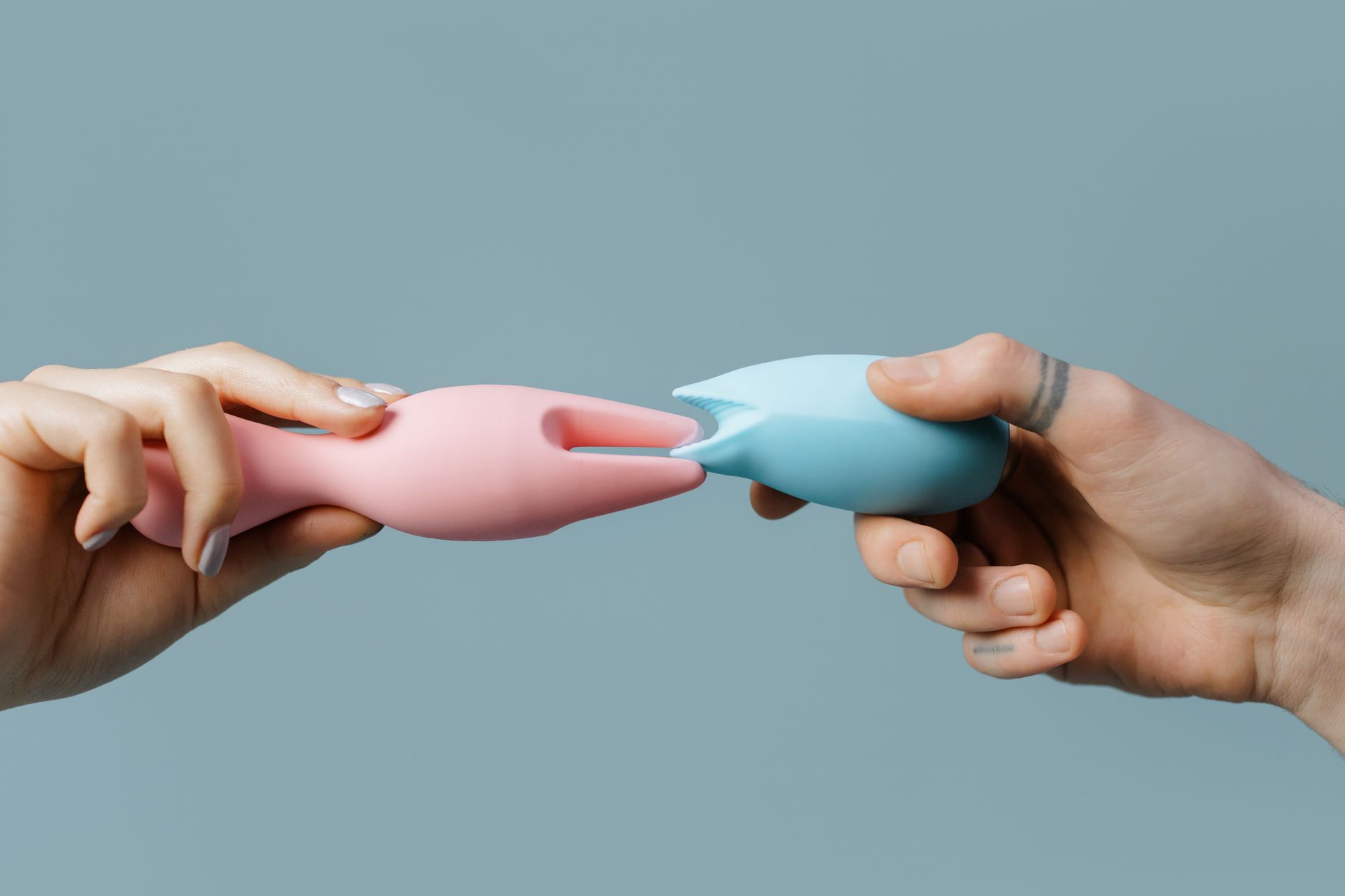
Photo by cottonbro studio on Pexels
The mental piece your doctor probably didn't mention
Pelvic floor tension is often rooted in fear or shame around that part of your body. You might unconsciously be protecting yourself because of past experience, cultural messaging, or just years of disconnection. Using a vibrator while simultaneously working on your relationship with that part of your body creates real change.
Some people benefit from looking at their vulva in a mirror while using a vibrator. This sounds awkward. It's actually powerful. Seeing the tissue respond to sensation, seeing pleasure happening in your own body, shifts the nervous system's perception from threat to safety.
Other people benefit from naming what's happening out loud or writing about it after. The point is integrating mental safety with physical sensation. Pleasure exists in the brain as much as in the nerves.
When to involve a pelvic floor specialist
If you have diagnosed pelvic floor dysfunction, vaginismus, or ongoing pain, a pelvic floor physical therapist is worth the investment. These specialists work with the muscles directly, teaching relaxation techniques that complement your own pleasure exploration. They're not going to judge you for using a vibrator. They're going to ask you what you're experiencing and help you navigate it safely.
Internal massage from a professional is different from your own exploration. It's therapeutic touch with clinical intention. Some people find that having professional support makes their solo practice feel more confident.
The timeline expectation
Pelvic floor tension doesn't resolve in one session. It took time to develop and it takes time to unwind. Some people notice a shift in sensation and ease within two to three weeks of regular practice. Others take months. Neither is wrong. Your nervous system heals at its own pace.
The goal isn't to force an outcome. It's to create a sustainable practice where you show up regularly, breathe intentionally, and allow pleasure to gradually become accessible again. That's genuine healing.
FAQ: Pelvic Floor Pain and Lemon Vibrators
Can I use a lemon vibrator if I have vaginismus?
Yes, but start externally only. Vaginismus is an involuntary response, not a choice. Using external clitoral vibrators while practicing relaxation breath teaches your nervous system that touch in this area can be safe and pleasurable. Many people find that consistent external stimulation, paired with breathing work, gradually reduces the involuntary clenching response over weeks or months.
What vibration pattern is safest for pelvic floor pain?
Start with the lowest and slowest pattern available. For lemon clitoral vibrators, this is often pattern one or two. The goal isn't intensity. It's consistency and safety. Many people find that lower patterns actually create deeper pleasure because they allow for sustained arousal without overwhelm or pain response.
Should I use lubricant with a vibrator if I have pelvic floor tension?
Always. Water-based lubricant reduces friction, which is especially important if your tissues are already sensitive or irritated. Lubrication also sends a signal to your nervous system that this is a safe, nourishing experience rather than something potentially painful. Use generously.
Is it normal to feel pain initially when using a vibrator with pelvic floor dysfunction?
Some discomfort is common, but sharp pain is not. Dull aching or a sensation of pressure that eases when you pause is usually your nervous system adjusting. Sharp pain is your body saying stop. Honor that. Reset your breathing, take a break, and try again another day. Over time, as your pelvic floor relaxes, what felt painful initially becomes pleasurable.
How often should I use a vibrator if I'm working through pelvic floor tension?
Consistency matters more than frequency. Using a lemon vibrator two to three times per week with intentional breathing is far more effective than sporadic sessions. Create a small ritual around it. Set aside ten to fifteen minutes. Dim the lights. Breathe. Let it be part of self-care, not performance.
Can my partner help me use a vibrator if I have pelvic floor pain?
Absolutely, but communication is everything. Let your partner know what sensations feel safe and what doesn't. Some couples find that having a partner present but letting you control the vibrator gives you safety and support simultaneously. Others prefer solo practice at first. Both are valid. The key is that you're in control of pace and pressure.
The path forward
Pelvic floor tension changes pleasure, but it doesn't erase it. Using a clitoral vibrator from Lemon Pleasure Toys with intentional breathing, patience, and self-compassion creates a bridge back to sensation. You're not pushing through pain. You're gently, consistently teaching your nervous system that pleasure and safety can coexist. That's the work. And it's worth it.
If you're navigating pelvic floor dysfunction and want to explore pleasure safely, reach out to a pelvic floor specialist or consult with a sex-positive therapist. You deserve support that honors both your body's needs and your desire for connection and sensation. You also deserve to know that what you're experiencing is treatable and that pleasure absolutely remains possible.
Many people find that rebuilding arousal after stress or life changes involves addressing both physical tension and emotional safety. If you're also managing disconnection from your body more broadly, that's a parallel process worth exploring. The two often move together.