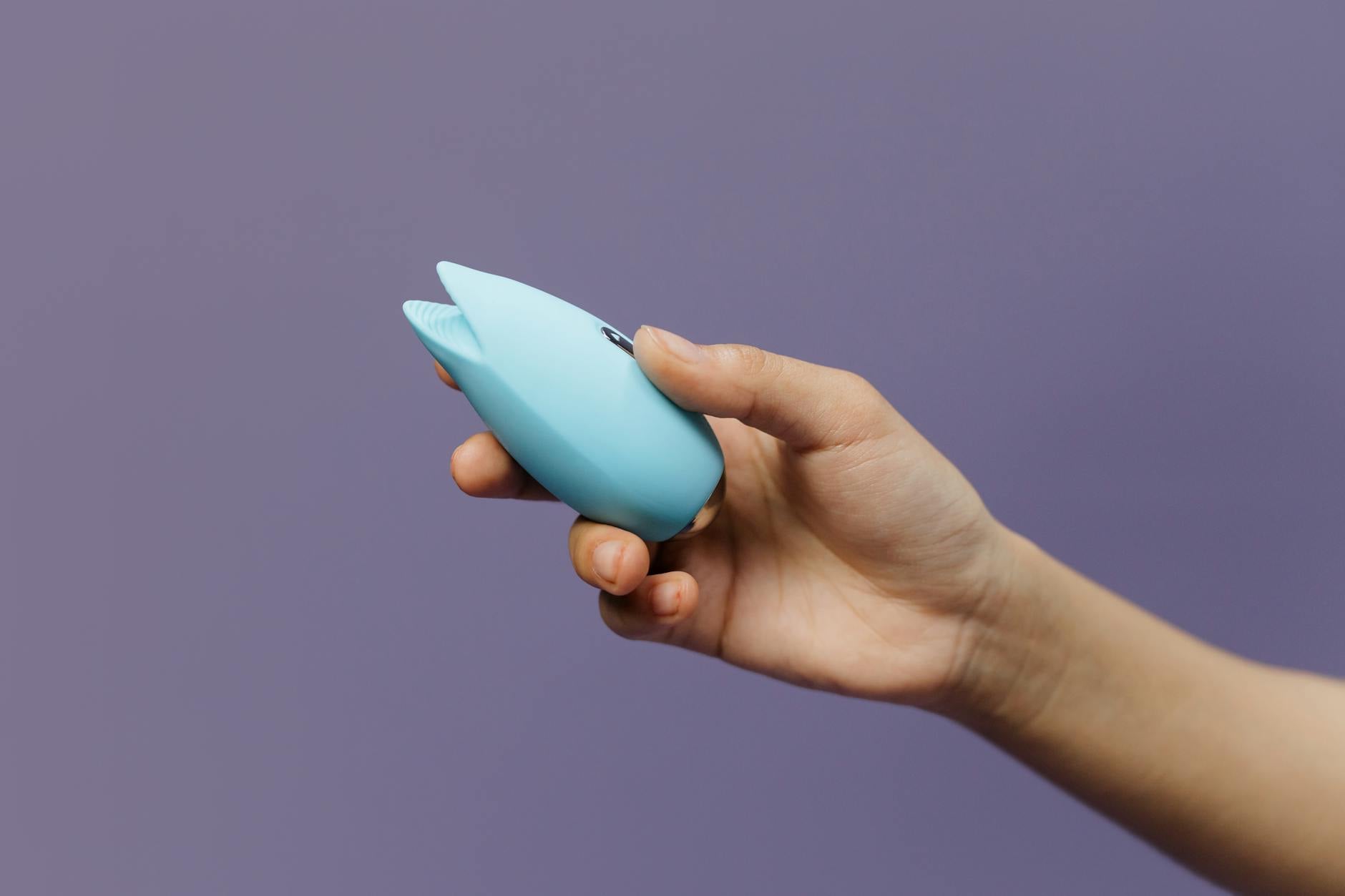
How to Use Lemon Vibrators When You Have Partners With Different Pleasure Timelines
One of you gets there in five minutes. The other needs twenty. That's not a problem. It's actually an opportunity. Here's how to stop treating it like a race.
One of you comes alive in five minutes. The other one's still warming up at fifteen. So you either rush, or they wait, or both of you feel vaguely frustrated about something you can't quite name. That's the timeline mismatch, and it's wildly common in long-term partnerships.
Here's what makes it worse: we're taught that syncing up means something went wrong. It doesn't. It means you're human. And here's what makes it better: lemon vibrators solve this almost completely, but only if you know why and how to talk about it first.
Arousal speed is not the same thing as desire. Someone who needs twenty minutes to build arousal isn't less interested. Their nervous system is just wired differently. This is where most couples get stuck.
Think about physical fitness. One partner could run three miles tomorrow morning. The other would genuinely hurt themselves trying. Neither is more athletic, per se. They just have different starting points. Pleasure works the same way.
Factors that shape your timeline: hormones, stress load, whether you feel safe, how distracted you are, what's happening in your body that day. Some of these shift week to week. Some are structural and won't change. The ones that won't change? That's where lemon clitoral vibrators become genuinely transformative.
Lemon vibrators work through suction and micro-vibration, which is a completely different mechanism than traditional vibration. This matters because suction stimulates the clitoris in a way that often feels like less effort for the body that needs longer to warm up.
Translation: the person who usually needs twenty minutes might need twelve with a Lemon vibrator. Not because something is wrong with them. But because their nervous system is being met more directly.
Meanwhile, the person who gets there in five? They can slow down. They're no longer pacing. They're actually present instead of anxious about timing. That presence alone often changes the quality of the whole experience.
Before you introduce a lemon vibrator into partnered sex, you need one conversation that has nothing to do with toys. It goes something like this:
"I've noticed we hit the gas at different speeds. I'm not frustrated about that. But I want us both to actually enjoy this instead of one of us feeling rushed or the other feeling like we're waiting. So let's talk about what would make this feel better for each of us."
Notice what this does: it separates the logistics from the emotion. You're not saying your partner is slow or fast. You're saying the rhythm doesn't match. Huge difference.
If that conversation feels risky, that's actually important information. Sometimes a timeline mismatch is a symptom of something else. Resentment. Distance. Disconnection. If that's happening, a lemon vibrator won't fix it. A conversation with a couples counselor will.
1. The warm-up tool. Partner A uses the Lemon vibrator while Partner B touches them, kisses them, talks to them. This keeps Partner B engaged in the moment (not checking their phone or waiting in their head) while Partner A gets the direct stimulation they need. Everyone feels included.
2. The slow-down tool. Partner A uses it on themselves while Partner B watches or touches them elsewhere (neck, thighs, back). This feels less like a race. Both of you are actually together in the moment, which is the thing most couples miss when they're anxious about timing.
3. The both-of-you tool. One of you uses it while the other participates. There's no "your turn, my turn." You're working toward the same thing together. This is where lemon clitoral vibrators really change the game for couples who've been stuck in a rhythm of waiting.
If you go into this thinking "this toy will fix our problem," you're missing the point. Lemon vibrators help. But what actually changes things is giving yourself permission to have different timelines.
It sounds simple. It's not. We're raised to believe that good sex is synchronized. Both people climaxing at the same moment. Both partners totally in sync. That's fantasy. Actual human bodies don't work that way.
What actually works is this: you stop trying to sync up, and you start actually paying attention to each other. The vibrator is just the tool that makes that possible.
Sometimes different pleasure speeds mean nothing except that you're different. Sometimes they're a sign of something that needs attention.
If the faster partner is impatient or dismissive of the slower partner's needs, that's a relationship issue, not a toy issue. If the slower partner feels broken or wrong, that's shame, not anatomy. If one of you is anxious or distracted every single time, that's stress or safety, not incompatibility.
Lemon vibrators help with the first group. For the second and third, you need to talk. Possibly with a therapist. That's not weakness. That's how you actually fix the thing instead of just managing the symptom.
Most couples who struggle with mismatched arousal either stop having sex or stay in a holding pattern where nobody's really enjoying it. That's not inevitable. But it does require you to talk about the thing you've been quietly frustrated about for months or years.
The Lemon vibrator is useful. But the real tool is naming what's happening without shame. Once you do that, everything changes. Not because the toy is magic. But because you stopped pretending you're the same person and started actually enjoying that you're not.
That's common and worth taking seriously. The fix is to reframe. It's not replacing them. It's a tool that helps both of you stay present together. Sometimes it helps to introduce it slowly. Use it solo first. Talk about how it feels. Invite them into the experience gradually. Also: if their concern is really about feeling replaced, that's worth exploring more deeply. Sometimes that points to something else that needs attention.
Absolutely. The faster partner can use it on the slower partner while being hands-on in other ways. Or the faster partner can use it while the slower partner catches up. The whole point is that you're not waiting for each other anymore. You're actually present together instead.
Nope. Most couples don't. The cultural narrative suggests they should, which is why so many people feel broken. But actual research and clinical experience show that timeline mismatches are the norm, not the exception. Knowing that doesn't fix it, but it does remove the shame.
Frame it as a logistics problem, not a character flaw. "I want us both to feel good" is different from "you take too long." The first one is collaborative. The second one is critical. Your word choice matters more than you think.
Not by itself. If the mismatched timeline is actually a symptom of distance or resentment, you need to address the real problem first. A vibrator won't rebuild trust or connection. It can enhance something that's already there, but it can't create it from nothing.
That's information. Not bad information, just information. Sometimes people have beliefs about vibrators that feel true to them even if they're not rational. Sometimes there's fear underneath. Sometimes they're just not interested. Any of those is worth a conversation that doesn't have an agenda. Not "Let me convince you." Just "I'm curious what that's about for you."