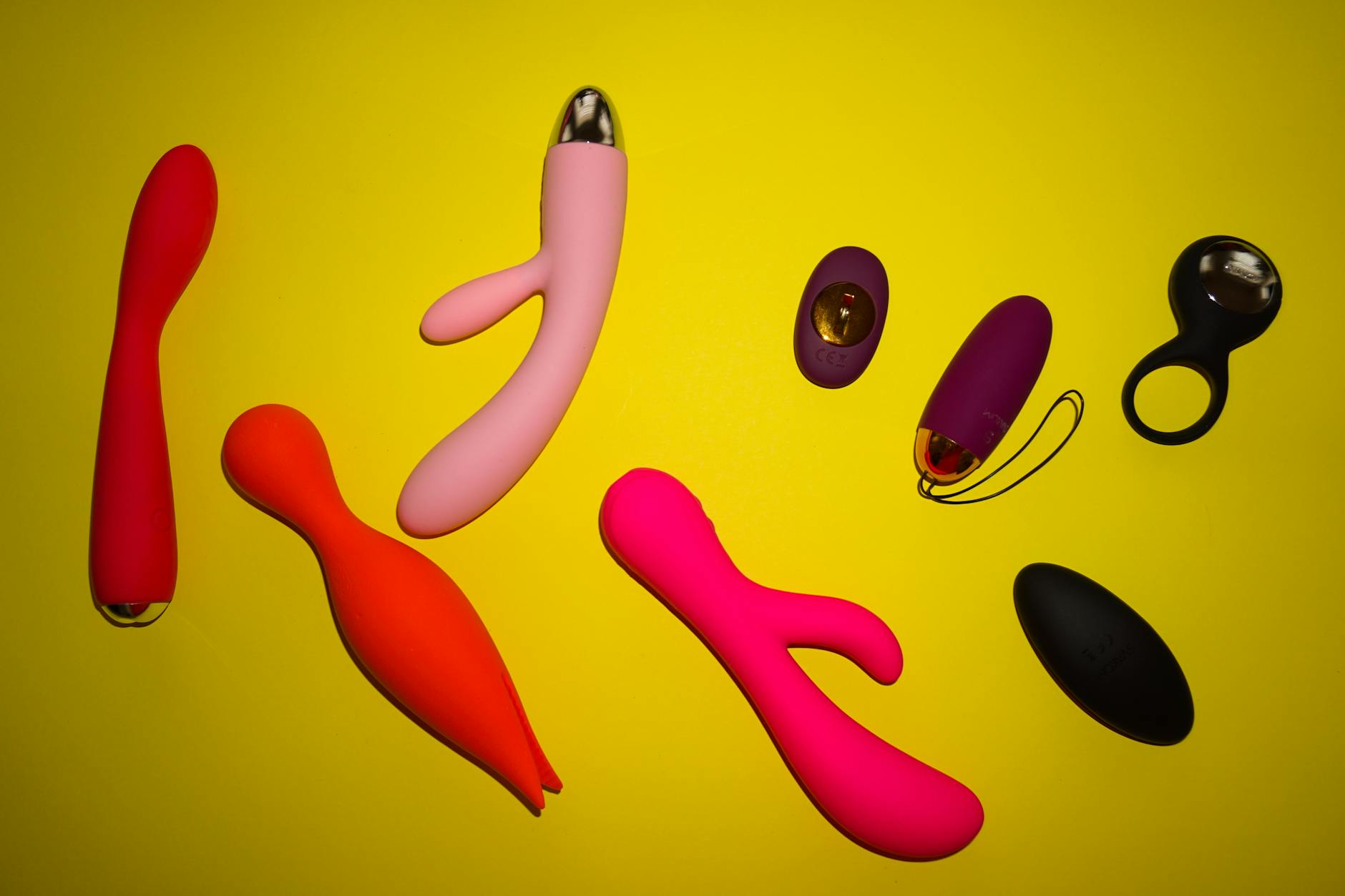
Let's talk about the sensitivity thing nobody mentions
You know that week where touching yourself feels absolutely electric, and then two weeks later the same touch feels muted or almost uncomfortable? That's not you breaking. That's biology doing its job, and it makes using a lemon vibrator feel completely different depending on when in your cycle you're using it.
Here's what's actually happening: estrogen and progesterone shift your nerve sensitivity, blood flow to your genitals, and even how your brain processes sensation. That means the intensity setting that felt perfect on Tuesday can feel too intense (or too gentle) by Friday. Most people just power through or stop trying altogether. Instead, you can lean into it.
How hormones actually change what you feel
During the follicular phase (the first half of your cycle, right after your period), estrogen is climbing. This increases blood flow to your clitoris, makes nerve endings more responsive, and honestly makes touch feel amazing. Your skin becomes more sensitive overall. This is when a lower intensity setting on a lemon clitoral vibrator can deliver seriously intense sensation.
Then comes ovulation, usually around day 14. Sensation peaks. Everything feels heightened. If you typically use pattern 3 on your vibrator, you might only want patterns 1 and 2 during this window because the amplified sensitivity makes normal intensity feel overwhelming.
The luteal phase is the second half of your cycle. Progesterone rises, estrogen drops, and sensation becomes duller. Blood flow decreases. Nerve endings become less reactive. This is when you might need to bump up to a stronger pattern or spend more time warming up because sensation isn't coming as naturally.
Right before your period, pain sensitivity also increases, so even well-lubricated touch can feel uncomfortable if you push too hard. This isn't a failure of lemon vibrators or your body. It's just anatomy.
Why standard intensity settings don't work for you
Vibrators are built with fixed patterns. Pattern 1 is always pattern 1, whether you're at peak ovulation or deep in your luteal phase. Your body, though, is constantly recalibrating sensitivity.
If you've been frustrated that sometimes your vibrator feels like it's barely touching you, and other times it feels aggressive even on the gentlest setting, this is why. You're not using it wrong. Your nervous system is just operating under different parameters.
This matters especially with precision tools like lemon sexual toys, where the vibration quality is excellent but doesn't compensate for the fact that your clitoral nerve density isn't constant month to month.
What actually helps: a month-to-month playbook
Instead of fighting your cycle, track it alongside your pleasure sessions. You don't need an app if you don't want one. Just notice.
Days 1-7 (menstruation and early follicular phase): Sensation is generally lower. Your clitoris might feel slightly swollen or tender, particularly if you have period cramps. Start with pattern 1 on your lem vibrator and work up slowly. You might need more warmup time than usual. Use plenty of lubricant because even though blood flow is present, the cervix and vaginal tissue are shedding, and dryness can happen. This isn't the best week to push for intense sensation. Go for longer, gentler sessions instead.
Days 8-14 (late follicular and ovulation): This is your sweet spot for clitoral vibrators. Sensation is heightened, arousal builds faster, and even gentle stimulation creates strong sensation. You can explore higher patterns on your lemon vibrator that might have felt too intense last week. Orgasms typically come faster and feel more intense. This is also the best time to experiment with new patterns or explore sensations you might want to integrate into your routine.
Days 15-21 (early luteal phase): Sensation drops noticeably. Your clitoris might feel less responsive. This is when you need to shift strategy. Stay with lower patterns but extend your session length. More time at a moderate intensity often works better than cranking the vibration up. Many people find that partnered touch becomes more pleasurable during this window, so if you have a partner, this might be a good week to explore lemon vibrators together rather than solo.
Days 22-28 (late luteal phase and pre-menstrual): Pain sensitivity increases, pleasure sensitivity decreases. Your pelvic floor might be more tense. Genital tissue might feel tender. This is the week to either take a break from clitoral vibrators entirely or use them at the very lowest settings with significant warmup and lubrication. Some people find that broader stimulation (like a small wand vibrator) feels better than the concentrated sensation of a clitoral vibrator during this window.
The mental side matters as much as the physical
Cycle syncing isn't just about mechanics. Progesterone in your luteal phase makes your brain process sensation differently. You might feel more self-conscious, less interested in novelty, or just tired. That's not a reason to force pleasure. It's a signal to adjust expectations.
If you typically orgasm reliably during your follicular phase but struggle during your luteal phase, that's completely normal. Don't interpret it as your vibrator suddenly being broken or your body malfunctioning. Your nervous system just needs a different approach.
The same applies to desire. Many people notice their libido spikes around ovulation and dips in the luteal phase. When you understand why this happens, you stop blaming yourself or your relationship. You just work with it.
Practical troubleshooting if nothing feels right
If you're tracking your cycle and adjusting your approach but sensation still feels off, consider these variables.
First, stress tanks sensitivity. Cortisol constricts blood vessels. If you're in a stressful week at work, your cycle phase might matter less than the fact that you're running on stress. Extend your warmup time, use more lube, and be patient.
Second, medications matter. Antidepressants, antihistamines, and hormonal birth control all change baseline sensitivity. If you've been on the same medication for months and suddenly sensation feels different, it's likely cycle-related. But if sensitivity has been consistently duller for weeks regardless of cycle phase, talk to your doctor. Sometimes medications need adjusting.
Third, dehydration and sleep both affect nerve function. If you're not sleeping well or not drinking enough water, your nervous system can't transmit sensation as effectively. This sounds basic, but it's real.
Finally, if sensation feels painful rather than just muted, and this happens consistently at the same cycle point, that's worth mentioning to a gynecologist. Conditions like endometriosis or pelvic floor dysfunction can create cycle-dependent pain.
How to talk about this with a partner
If you share pleasure with a partner, cycle-synced sensitivity changes can feel confusing or even like rejection. "You wanted this last week but not now" can land as personal rather than physiological.
The conversation is simple: "My sensitivity changes throughout my cycle, and that means what feels good changes too. This isn't about you or how attracted I am. It's just how my nervous system works." Most partners get it immediately once they understand it's not about them.
You can even make it collaborative. "This week I want longer sessions with lower intensity" or "This week I need more time to warm up" becomes information, not criticism.
Why lemon vibrators work especially well here
Lemon clitoral vibrators have consistent, reliable patterns that let you isolate variables. You're not dealing with fluctuating power or unpredictable intensity. That means when sensation changes, you know it's your cycle, not your toy. This clarity actually helps you understand your body better.
The precision of a lem vibrator also means you can feel subtle shifts in sensation more clearly. That heightened awareness becomes useful for cycle tracking and understanding your own arousal patterns.
FAQ: Hormones and pleasure
Does my cycle affect orgasm intensity, or just how easy it is to orgasm?
Both. Around ovulation, orgasms typically feel more intense and arrive faster. In your luteal phase, they might take longer to build but still feel satisfying once they arrive. Some people also report that luteal-phase orgasms feel different in character. not worse, just different. Pay attention to what your body reports rather than comparing week to week.
Can I use hormonal birth control to flatten my sensitivity changes?
Yes, that's actually one reason some people choose hormonal birth control. But it trades cycle-dependent sensitivity swings for a consistent (sometimes lower) baseline sensitivity. Different trade-off, not necessarily better. If you're considering this, talk to your doctor about what to expect.
What if my sensitivity changes don't match a standard 28-day cycle?
Many people cycle on a 21-day or 35-day pattern, or their cycle length varies. The landmarks matter more than the exact days. Track your own pattern for a couple of months. You'll see where your peaks and valleys are, and you can adjust accordingly.
Is it normal for one side of my clitoris to feel more sensitive than the other?
Completely normal. Nerve distribution isn't perfectly symmetrical. You might notice that angling your vibrator slightly changes what you feel. This isn't a problem. It's just useful information.
Why does my clitoris sometimes feel numb during my period even though I want to be intimate?
Periodal cramping constricts pelvic floor muscles, which reduces nerve sensitivity. Hormone shifts also decrease overall responsiveness. Some people find that gentle, broad stimulation feels better than focused clitoral vibration during menstruation. Others prefer to wait until bleeding lightens. Neither is wrong.
Can I use cycle tracking to predict when I'll have the best orgasms?
Yes. Most people find their most reliable, intense orgasms happen in the few days right before or after ovulation. If you're trying to time solo sessions when you're most likely to have a good experience, that window is usually it. But individual variation is huge, so track your own pattern.
Your body isn't malfunctioning when sensation shifts through your cycle. It's doing exactly what it's supposed to do. Understanding that and adjusting your approach to lemon vibrators accordingly transforms frustration into useful knowledge about yourself.