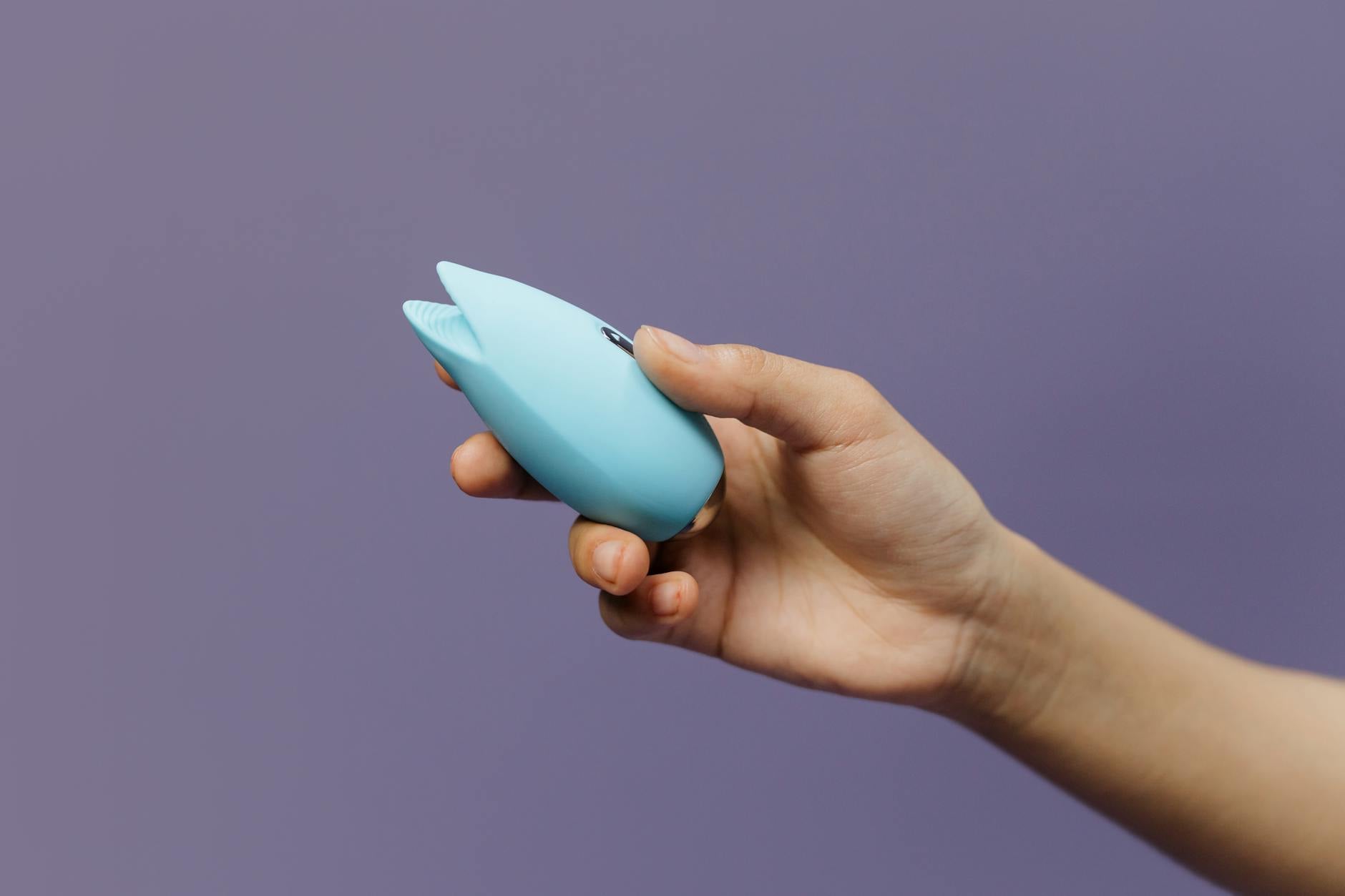
The stress-desire trap is real, and it's not your fault
Here's what nobody tells you about stress and sex: your body isn't broken. It's doing exactly what it evolved to do. When your nervous system detects threat (deadline, sick parent, financial worry, just... everything), it redirects blood flow away from non-essential systems. Sex? Non-essential in survival mode. So you end up wanting connection while simultaneously wanting absolutely nothing.
The cruelest part is that your partner might still want you. Or you might want to want them. But your nervous system is busy and your libido is a ghost.
Why stress specifically demolishes desire
Think of your nervous system as having two settings: sympathetic (fight-or-flight) and parasympathetic (rest-and-digest). Arousal requires parasympathetic activation. Stress lives in sympathetic. You can't be truly turned on while you're also mentally at work or scrolling through news.
The chemistry backs this up. Cortisol (the stress hormone) directly antagonizes testosterone. It also depletes dopamine, which is foundational to desire. Meanwhile, your vagus nerve—the main highway of sexual pleasure—gets suppressed when your body thinks it needs to be vigilant.
So when you say your libido disappeared, what actually happened is your nervous system got hijacked. That's fixable. That's exactly why tools like lemon clitoral vibrators work differently than you'd expect.
How lemon sexual toys bypass the stress barrier
Most vibrators demand something from you: the right mental state, sufficient lubrication, arousal that builds linearly. Lemon vibrators use suction technology, which works via a completely different mechanism.
Instead of friction, you get consistent, rhythmic stimulation that activates pleasure pathways without requiring you to "get there first." Your brain doesn't need to cooperate as much. The sensation itself can wake up your nervous system instead of you having to wake yourself up.
For stressed people specifically, this matters because you can start the experience from a 2/10 arousal level. Most other tools ask you to get to a 5/10 just to feel good. Lemon clitoral vibrators meet you where you actually are.
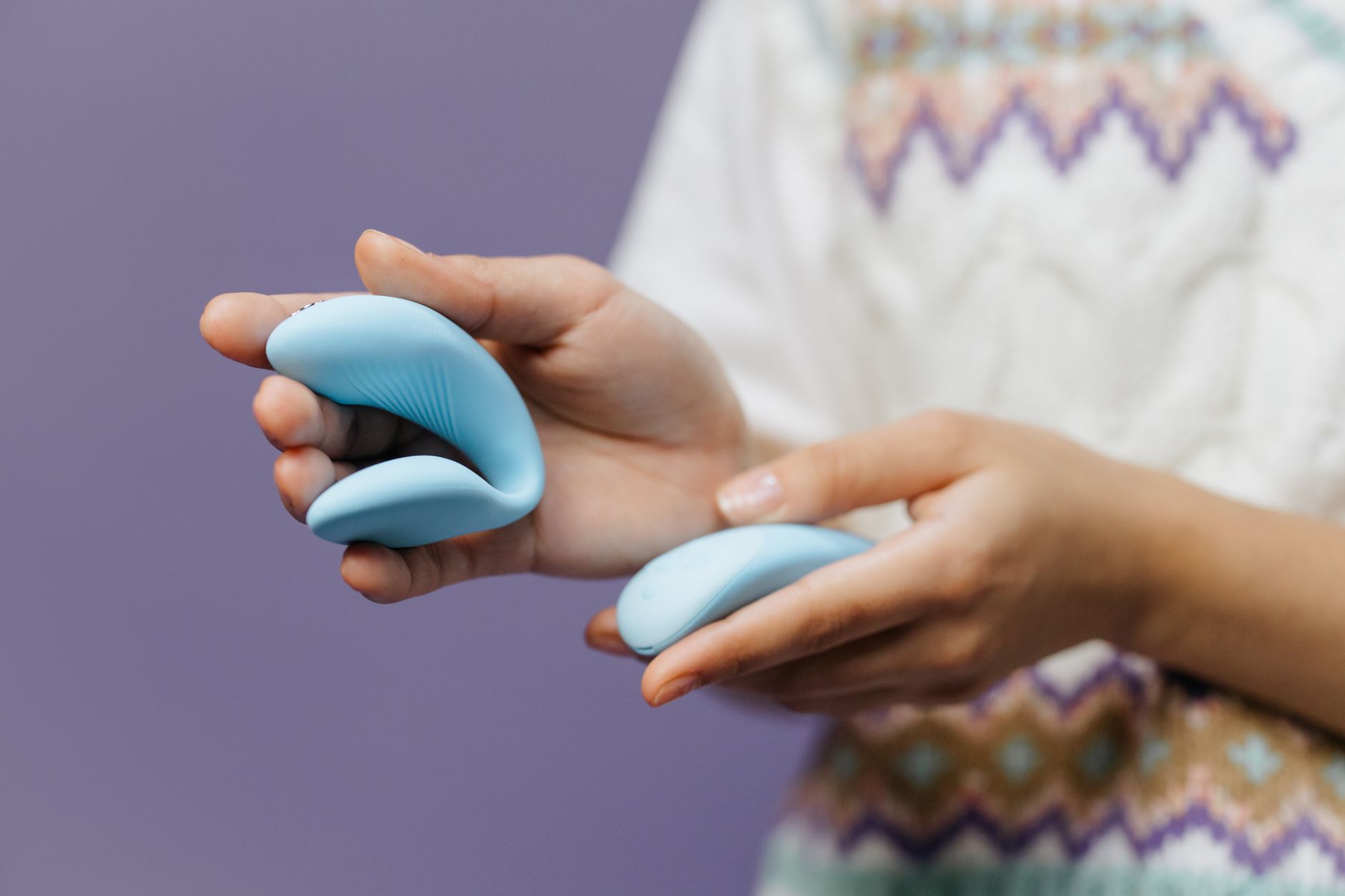
Photo by cottonbro studio on Pexels
Three ways to use them when your brain is still at work
1. The 10-minute reset.
You don't need 45 minutes of deep breathing and intention-setting. Set a timer for 10 minutes. Light a candle if it helps, but don't overthink it. Use your lemon vibrator starting at the gentlest setting (pattern 1 or 2). The goal isn't an orgasm. It's nervous system downregulation. What usually happens: by minute 7, your shoulders drop. By minute 10, you feel present in your body for the first time all day.
That's the win. You've told your nervous system it's safe again. An orgasm might happen. It might not. Both are fine.
2. The partnership bridge.
Your partner wants you. You want to want them. This is the gap where resentment starts growing. Instead, try this: tell them you need 15 minutes alone with your lemon vibrator first. Not as rejection. As preparation.
Use the vibrator solo. Get yourself to a place where you can feel your own pleasure. Then they join you. They're not trying to turn you on (pressure). They're watching you turn yourself on (different). This reframes the whole interaction from "can you get me there" to "I remember what I feel like." That's the reset most stressed people need.
3. The microdose approach.
You don't have to carve out huge blocks of time. Use your lemon vibrator for 3-5 minutes in the morning before work gets loud. Or after everyone goes to sleep. These tiny moments of pleasure aren't a substitute for actual sex. They're a way of keeping your nervous system tethered to sensation while everything else is demanding your attention.
Consistent microdoses often rebuild desire faster than sporadic longer sessions because they're less about performance and more about remembering what your body can feel.
The conversation you actually need to have
If you're partnered and stress is tanking your libido, your partner needs to hear this: this isn't about them. It's not that you don't find them attractive or that the relationship is failing. It's that your autonomic nervous system is in protection mode.
The single worst thing a partner can do is ask "when will you be interested again" or try to seduce you out of it. You can't think your way or be seduced your way out of survival mode. But you can use tools—like lemon clitoral vibrators—to gently signal to your nervous system that it's safe to relax.
Once your nervous system believes it, desire follows. Sometimes quickly. Sometimes slowly. But it follows.
Why lemon suction technology helps specifically
Compare this to a traditional vibrator. Traditional vibrators create pleasure through friction and intensity. If you're stressed and numb, you might need high intensity to feel anything, which can feel jarring or exhausting.
Lemon vibrators use gentle suction that stimulates the entire clitoral complex. The sensation builds rather than shocking your system. Your body can say "okay, I remember what pleasure feels like" instead of "why am I forcing this."
This is why so many stressed people report that lemon clitoral vibrators helped them reconnect with desire when other tools didn't. The mechanism itself is gentler on a nervous system that's already overwhelmed.
The boundary you need to protect
Here's the tricky part: once you start using a lemon vibrator and find pleasure again, there's often pressure (internal or external) to scale back to partnered sex immediately. Don't. Protect your solo practice.
This is your private reset. Keep it that way. Even if you're in a committed relationship, solo pleasure with your vibrator isn't something you owe to anyone. It's for you to remember that your body is good and capable and worth attention.
The best relationships I see happen when both people maintain their own pleasure practices. You stop expecting your partner to be your entire sexual universe. That takes pressure off both of you.
When to know it's working
You'll notice desire returning when small things start happening: you think about sex without panic. You feel sensation in your body without effort. You want to touch yourself. You notice attraction. You laugh during sex instead of concentrating hard.
These are the real markers, not frequency or orgasm count. Stress didn't kill your capacity for pleasure. It just made access harder. A lemon clitoral vibrator is a bridge back to that access.
One more thing
If stress has completely flatlined your desire for months and nothing is helping, talk to your doctor. Chronic stress can indicate depression or anxiety that might benefit from clinical support. A vibrator is a wonderful tool, but it's not a replacement for therapy or medical care if something deeper is happening. Both can work together.
Your pleasure matters. So does your nervous system health. You deserve both.
People also ask
Can you use a lemon vibrator when you're depressed?
Depression and stress are cousins but not identical. Depression often involves anhedonia—the inability to feel pleasure in things that normally bring it. A lemon vibrator might help, but clinical depression usually needs professional treatment first. That said, gentle self-touch and sensory activation (which suction vibrators provide) can be part of recovery alongside therapy or medication. Start gently and talk to your therapist about how this fits your healing.
How long does it take for desire to come back?
It depends on the stressor. If you're in active crisis mode, expect 4-8 weeks of regular use before desire noticeably returns. If it's chronic low-grade stress, you might feel shifts within 2-3 weeks. The key is consistency, not intensity. Using your lemon vibrator for 10 minutes twice a week is more effective than a sporadic longer session. Your nervous system needs repetition to learn it's safe again.
Can you use a lemon vibrator with a partner if you're stressed?
Yes, but frame it carefully. Tell your partner you want to use it together as a way for you to relax and reconnect with sensation. Position it as something for both of you, not as a replacement for partnered sex. Many couples find that incorporating suction vibrators during sex actually reduces performance pressure because the focus shifts to sensation rather than specific outcomes.
Is it normal to feel numb even with a vibrator at first?
Completely normal. Stress numbing is real and sometimes takes a few sessions to wake up. Don't push hard or chase sensation. Let yourself feel whatever you feel (including numbness). Over time, gentler stimulation trains your nervous system to recognize pleasure again. You're not broken. You're recalibrating.
Should you tell your partner you're using a lemon vibrator?
That's up to you and your relationship. Solo pleasure doesn't require permission or explanation. But if you're using it as part of reconnecting together, transparency helps. Many partners are relieved to hear you're actively working on resetting your desire rather than waiting passively. It shows you care about both of you.
What if stress comes back and kills your libido again?
It might. That's normal. You now know the tool that helps. Use it again. This isn't about maintaining permanent high desire. It's about having a way to reconnect when life gets overwhelming. That's the real gift of knowing how to use something like a lemon vibrator—you have agency over your pleasure even when stress tries to steal it.