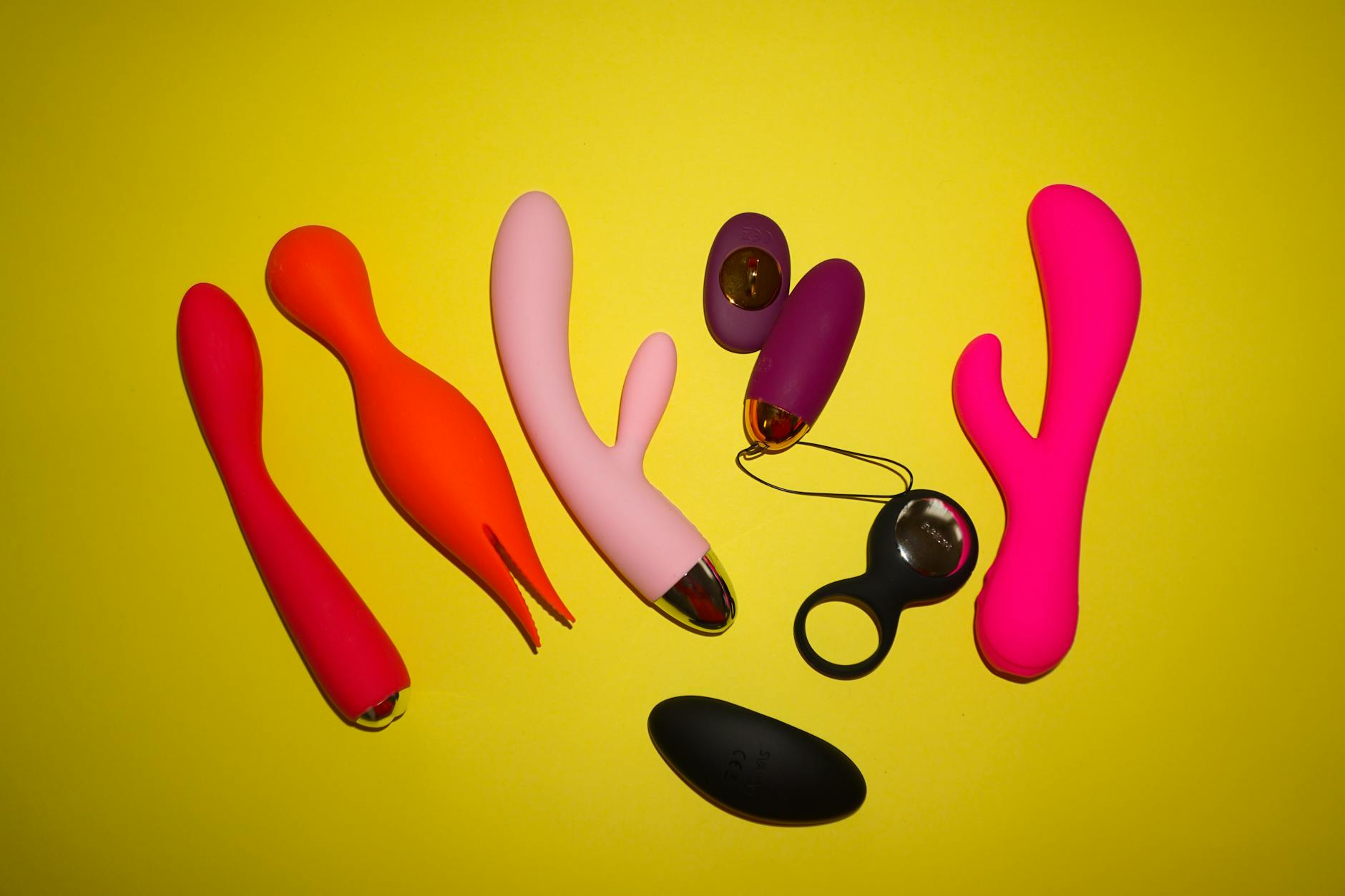
When pleasure goes quiet
Let's be real. There was a time when an orgasm felt unmistakable. Your body had a clear before and after. Now something's shifted. The sensations are still there, technically, but they feel muted. Distant. Like you're behind glass watching it happen instead of inside it.
This is one of the most common things I hear from people across every age, relationship status, and life circumstance. And it's almost never what they think it is.
Why orgasm intensity actually decreases
Orgasm intensity isn't a fixed thing. It fluctuates based on multiple overlapping systems in your body and mind. When you notice a real shift, something concrete has changed. Here are the actual culprits.
Habituation. Your nervous system gets used to the same input. If you've been using the same stimulation method for years, your brain has mapped every millimeter of that sensation. Novelty wakes the nervous system back up. That's not a bug. It's neurology.
Pelvic floor tension. A tight pelvic floor prevents the rhythmic contractions that create sensation. Most people assume a tight pelvic floor is good (stronger, right?). It's not. It's like having your fist clenched during a massage. You can't feel much of anything.
Mental load. Stress, relationship disconnection, work chaos, family stuff. These aren't small factors. They're the difference between an orgasm that registers and one that doesn't. Your brain has to be available for pleasure to build.
Medication and hormones. Antidepressants, antihistamines, hormonal birth control, thyroid medication. These reshape your nervous system's sensitivity. Not forever, but right now. This is real and worth knowing.
Declining clitoral blood flow. After 40, circulation decreases naturally. After prolonged stress or certain health conditions, it decreases faster. Less blood flow means less engorgement, which means less intensity. It's fixable.
Disconnection from sensation. You can numb yourself to pleasure without realizing you're doing it. Checking your phone during sex. Thinking about your to-do list. Focusing on whether your body looks right instead of how it feels. Lemon vibrators can't fix that alone, but they can interrupt the pattern.
The role of novelty and intensity settings
Your clitoris has roughly 8,000 nerve endings. A lemon clitoral vibrator like the Lem works by stimulating those nerves through suction and pulsing patterns. The key: most people don't turn up the intensity enough because they're worried about overstimulation.
Here's what actually happens. Low intensity feels safe but doesn't register. Medium intensity might feel nice but not transformative. High intensity or rapid pulsing patterns can shock your nervous system back into awareness.
Start with a lower setting to warm up (this is important, not a shortcut). Then move to patterns 5 through 8, where real sensation lives. If it feels too strong, back off by one. The goal isn't to numb yourself further by pushing through discomfort. It's to find the intensity where you actually feel alive.
Alternate patterns every 30 seconds. Switching keeps your nervous system engaged instead of habituating to a single rhythm.
Building arousal from the ground up
If your orgasms feel muted, you might also notice arousal building slowly. This matters because orgasm intensity mirrors arousal intensity. A slow burn doesn't detonate.
Give yourself 20 to 30 minutes for full arousal to develop. This isn't wasted time. This is necessary time. During those first 15 minutes, your clitoris engorges with blood, your vaginal lubrication increases (or at least should), and your brain shifts focus from external stress to internal sensation.
Use the lemon vibrator's lowest settings during this phase. Let your body ease into responsiveness. Then as arousal climbs, increase intensity. By the time you're near orgasm, you should be at a setting that feels genuinely strong.
Many people rush this phase because we've been taught orgasms should happen fast. They can happen fast if everything's perfectly aligned. But muted orgasms usually mean something's missed in the buildup.
What to do about pelvic floor tension
Your pelvic floor should pulse during orgasm. It shouldn't be locked down. If yours is habitually tight, sensation gets trapped.
Before using a lemon clitoral vibrator, spend two minutes just breathing. Exhale fully and consciously relax your pelvic floor. Some people describe it as dropping your pelvic floor or letting go of tension you didn't know you were holding. It's real and it changes everything.
During pleasure, if you feel tension building (especially as arousal builds), pause and exhale again. Release. This is harder than it sounds because our instinct is to tense up as intensity rises. But that tightening is what makes orgasms feel distant.
If this pattern is severe, pelvic floor physical therapy is worth exploring. A pelvic floor PT can release tension and teach you the difference between engagement and clenching.
The mental side
Your brain is your biggest sex organ and also your most destructive one. Here's what usually happens. You notice orgasms feel less intense. You start bracing for disappointment. That bracing becomes a self-fulfilling prophecy.
Instead, try this. When you're using lemon sexual toys, narrow your focus completely. Not in a spiritual way. Literally. What do you feel right now in this exact second? Not what should you feel. What are you actually feeling? Warmth, vibration, pressure, tingling. Name it internally. Stay with it.
If your mind wanders to work or your body or whether this is working, notice it without judgment and return attention to sensation. This is a practice. You're retraining your brain to register pleasure instead of override it.
Many people find that using lemon clitoral vibrators when you feel disconnected from your body helps anchor attention back into physical sensation. The vibration becomes an anchor point for focus.
When to involve a partner
If you're in a relationship and orgasms have felt muted, your partner probably knows something's shifted. The instinct is often to hide it. Don't.
A straightforward conversation works like this. "I've noticed my orgasms feel less intense lately. I don't think it's about you. I think my nervous system needs different input. I'm going to explore that." Then you do the work outlined above. Alone first. Then together once you've figured out what actually works.
During partnered sex, using lemon clitoral vibrators during partnered sex without losing the connection means your partner isn't competing with a toy. You're building sensation together. You're meeting your actual nervous system's needs, which paradoxically brings both of you closer.
Many couples find that rebuilding intensity together, with intention, actually heals disconnection that's been present for years. Your body remembers when pleasure is possible.
Quick intensity-building protocol
Try this sequence when you use lemon vibrators next.
Phase 1: Warm-up (5 minutes). Lowest intensity setting, gentle touch. Your body is remembering how to feel.
Phase 2: Build (10 minutes). Patterns 3 through 5. You're looking for sensations that make you want more, not less.
Phase 3: Climb (5 to 10 minutes). Patterns 6 through 8. Higher intensity, maybe alternating patterns every 30 seconds. Your arousal is near peak.
Phase 4: Orgasm (variable). Same intensity or one notch higher. Let it happen instead of reaching for it.
This isn't a script you have to follow exactly. But the rhythm of increasing intensity through increasing arousal is what wakes sensation back up.
What actually changes
Orgasms don't have to feel like they did 10 years ago. They can feel different and better. Stronger. More localized or more full-body. Longer. Shorter but more frequent.
Your body's capacity for pleasure doesn't expire. It gets redirected by stress, medication, disconnection, and habituation. But those are all fixable. Within weeks of deliberately rebuilding intensity, most people report orgasms that feel present and real again.
Your nervous system is listening. Show it what pleasure feels like and it remembers fast.
People also ask
Why do orgasms feel less intense as you age?
Orgasm intensity is tied to several factors that do shift with age. Pelvic floor muscles may lose tone, decreasing engorgement and sensation. Cardiovascular health affects blood flow to the clitoris. Hormonal changes reduce sensitivity. Medication use increases. But none of these are permanent blockers. Many people report more intense orgasms in their 50s and 60s than they did in their 20s because they have better body awareness and less self-consciousness.
Can lemon clitoral vibrators restore orgasm intensity?
Yes, but not directly. Vibrators don't restore intensity. They provide novel input that wakes your nervous system back up. Combined with longer arousal, pelvic floor release, mental focus, and stress management, they're highly effective. The vibrator is the tool. Your attention and intention do the work.
How long does it take to feel normal orgasms again?
Most people notice shifts within 2 to 3 weeks of consistent practice. Full restoration of intensity usually takes 4 to 8 weeks, depending on the underlying cause. If medication is the culprit, talking to your doctor about timing or alternatives might accelerate things. If it's stress or disconnection, the timeline lengthens. Be patient with your nervous system.
Should I use a higher intensity setting if orgasms feel muted?
Not immediately. Start with moderate intensity during arousal, then increase only as sensation builds. Jumping to high intensity on an unaroused body feels jarring and can actually trigger tightening. The sequence matters more than the absolute intensity.
What if nothing changes after several weeks?
Then something else is driving the shift. Talk to a gynecologist if you're over 40 or having other symptoms. Talk to your doctor if you're on medication that dampens sensation. Talk to a therapist if stress or relationship disconnection is the real issue. Sometimes a lemon vibrator is the answer. Sometimes it's one piece of a bigger conversation.
Can a partner help rebuild orgasm intensity?
Absolutely. Longer foreplay, intentional focus on clitoral stimulation, checking in about what feels good, and using lemon adult toys together all help. The shared intention to rebuild sensation is often the biggest factor. You're not hiding the issue. You're solving it together.