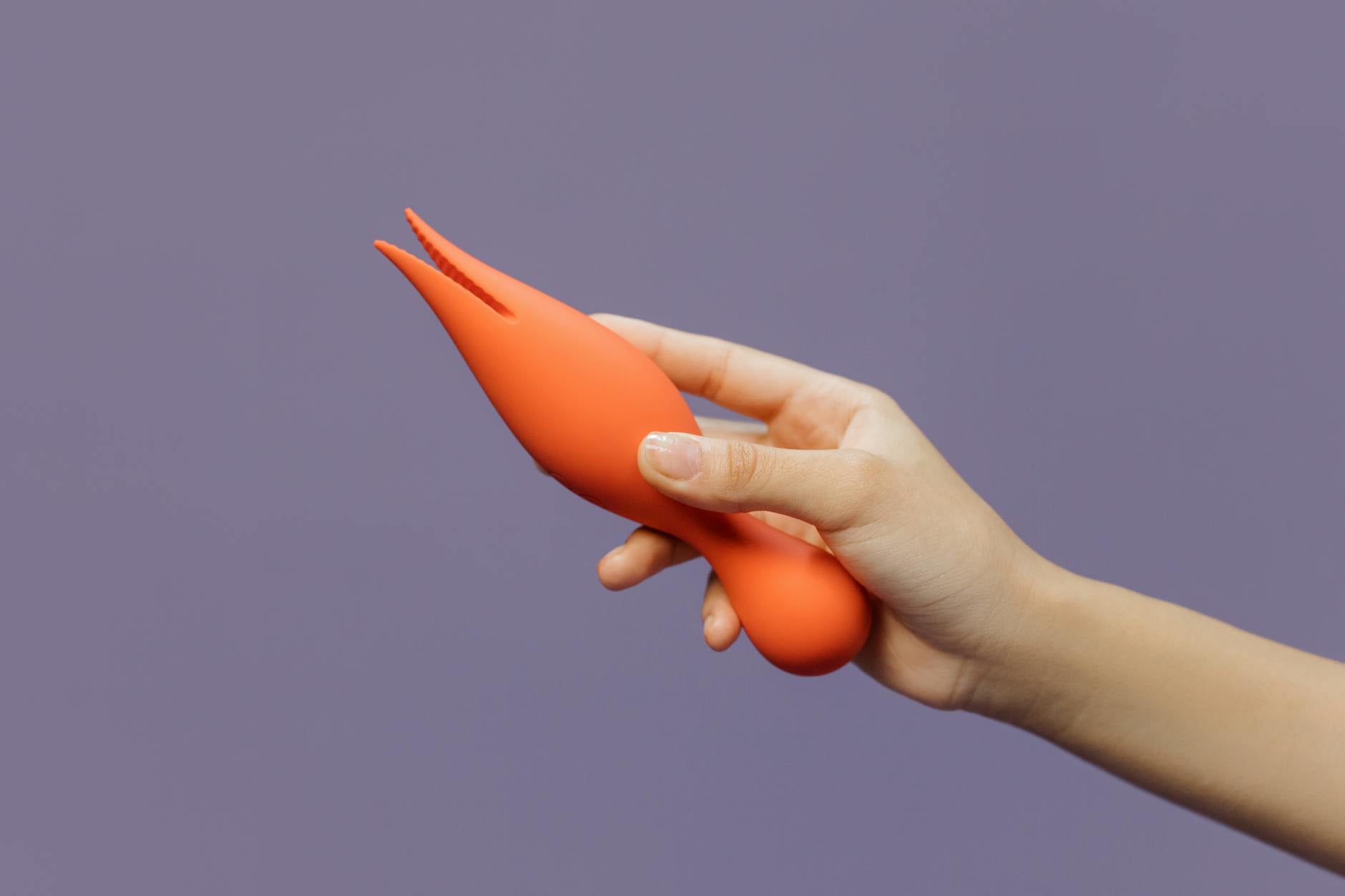
How to Use a Lemon Vibrator When You Feel Shy About Asking for What You Want
Pleasure shouldn't require bravery. Here's how a lemon clitoral vibrator can help you discover what you need, speak up, and build real intimacy with your partner.
You want something different. You know what it is. And your brain immediately floods with reasons not to say it. What if they think you're weird? What if they're offended? What if it changes how they see you? So you stay quiet. Your pleasure stays quiet too.
The shame around asking for what we want sexually is real, and it's not personal. Most of us grew up in cultures where female desire was either invisible or dangerous. Asking for pleasure felt like asking for trouble. Now as adults, that fear runs deep.
Here's the thing though. A lemon vibrator isn't just a toy. It's a conversation starter. It's a way to say "I want this" without having to find all the right words first.
Communication anxiety in the bedroom isn't about being bad at talking. It's about a few layers of fear stacked on top of each other.
First, there's vulnerability. Asking for what you want sexually means admitting you have desires. Many of us were raised to perform desire quietly, to make it seem natural and unplanned, not something we actually want or need. Naming it feels risky.
Second, there's fear of rejection. Rejection of a request feels like rejection of you. Your body. Your sexuality. That's a lot to risk.
Third, there's the performance pressure. If you ask for something and your partner engages with it, you worry you have to orgasm. Asking for pleasure adds a stakes element that didn't exist when things just happened.
Most couples I work with find that the actual conversation isn't as scary as the anticipation of it. But getting to the conversation? That's where a lemon vibrator becomes genuinely useful.
Instead of starting with "I've been thinking we should try something," you can start by showing your partner something you've already discovered about yourself.
Take a night alone and use your lemon vibrator. Not to perform or prove anything. Just to learn. What setting feels best? How long does it take to warm up? Does suction feel different at different intensities? You're gathering data about your own body.
Then, bring that information to your partner. "I tried something, and it felt really good. I want to share it with you." That sentence moves you from "I want" to "I experienced," which feels less demanding. You're inviting them into something you've already claimed for yourself.
The beauty of a lemon sucker like the one from Lemon Pleasure Toys is that it looks less intimidating than traditional vibrators. It's almost playful. That visual softness gives shy partners permission to be curious instead of defensive.
One approach is the collaborative discovery model. Bring your lemon vibrator to bed and say, "I got curious about something. Want to explore with me?" This frames it as a team activity, not a request for something you desperately need.
Another is the solo-first, shared-second approach. You build your own comfort alone. You learn what works. Then you invite your partner to watch or participate when you feel ready. This removes the pressure to perform arousal you're not sure you can deliver.
The third way is the direct but soft ask. "I've been thinking about trying this together. Would you be open to it?" No performance. No justification. Just a clear question.
Whichever approach feels truest to you is the right one. The point isn't to follow a script. It's to move from silence to any words at all.
Most partners, when they understand you're not criticizing them or rejecting them, want to say yes. They want you to feel good. The disconnect happens because you've never asked, so they've never had the chance to offer.
But sometimes the answer is complicated. Your partner might need time to adjust. They might have their own shame around the topic. They might need reassurance that this isn't about them failing you.
That's actually where a lemon vibrator helps the second time. It shifts the conversation from "What's wrong with our sex?" to "Here's something we can try together." A tool instead of a criticism.
When you use a clitoral vibrator with a partner, you're also giving them real-time feedback about what feels good. They see your body respond. They learn. The guesswork goes away. That's intimacy building, not replacing.
Your pleasure isn't selfish. You asking for what you want isn't demanding. You deserve to feel good, and your partner deserves to know how to help you feel good.
Shyness about asking usually isn't about politeness. It's about a deep-down belief that your pleasure isn't as important as theirs. Or that wanting something makes you less desirable. Or that good partners don't need to ask.
All of that is false. And it's worth examining, either on your own or with a therapist. Because your body deserves to be heard.
A lemon vibrator can't fix shame. But it can be a bridge. It lets you experience pleasure without waiting for permission. And once you know what good feels like, you get braver about asking for it.
If asking for anything in your relationship makes you shut down. If you're afraid of your partner's anger or disappointment. If you feel small around them. That's not a shyness problem. That's a relationship problem.
A vibrator won't fix that. But recognizing it matters. You deserve to feel safe asking for pleasure, support, respect, and honesty from your partner. If that doesn't exist, a lemon clitoral vibrator is a nice toy, but therapy or a hard conversation with your partner is what actually helps.
When you're introducing something new to a partner, timing matters. Not mid-argument. Not when either of you is tired or stressed. A moment when you both feel connected and open. That could be a regular date night. A weekend morning. A moment that already feels good.
Start with your lemon sucker at a lower intensity. Your partner can see how your body responds. You stay in control of the experience. And you both get to feel like explorers instead of someone granting a favor.
Lube helps, even though suction-based toys like the Lem from Lemon Pleasure Toys work beautifully without it. Adding water-based lubricant just makes everything feel more sensual and less clinical.
Talk after too. Not in an analytical way, but a real way. "That felt really good." "I liked when you..." "I want to try this again." Those small affirmations matter. They help your partner understand they did the right thing.
Your pleasure is not a luxury. It's not something you should have to negotiate or justify or be shy about. You deserve to ask for it. Your partner deserves the chance to give it to you. A lemon vibrator is just the tool that helps you both get there.
Once you've asked once, asking again gets easier. The second time feels like asking again, not like risking your whole relationship. By the third or fourth time, it's just how you two operate. Communication becomes normal instead of terrifying.
Start small. Start with your lemon clitoral vibrator and a quiet moment. Start with "I want to try something." Everything else builds from there.
Insecurity is real and valid. Your partner might worry that a vibrator means you're not satisfied with them. That's worth addressing directly. Let them know that pleasure is additive, not subtractive. A lemon vibrator doesn't replace them. It adds something you both can enjoy together. Some partners worry that a vibrator will make you unable to enjoy regular sex. That's a myth. Using a clitoral vibrator actually helps many people understand their own arousal better, which usually improves partnered sex overall.
Yes. Many people do this specifically to build confidence. When you use a lemon clitoral vibrator alone, you learn what intensity and pattern feel best. You remove the performance pressure. Then when you introduce it with a partner, you're not discovering your own pleasure while also managing their reaction. You already know what you like. That makes the shared experience feel less vulnerable.
Frame it as something you want to explore together, not something that's missing. "I've been curious about trying this" sounds different than "I need this because you're not enough." Use "I" statements. Focus on the adventure, not the deficit. Most partners respond well when they understand they're being invited to something, not being criticized.
That embarrassment is worth examining, but it's also really normal. You can order online discreetly. You don't owe anyone an explanation for what you order. Lemon Pleasure Toys ships in unmarked packaging. Your pleasure is private until you decide to share it. Once you have the vibrator in your hands, the embarrassment often fades. It's usually just the idea that feels scary.
Listen for openness, not enthusiasm. They don't have to be thrilled. They just need to be willing. If they keep saying no after you've asked once or twice, that's information. It might mean they need more time. It might mean you two need to talk about why pleasure feels unsafe in your relationship. But genuine readiness sounds like "Okay, let's try it" or "I'm nervous but I'm willing," not a hard no that never shifts.
It might. It might make them see you as braver, more comfortable with yourself, more sexually confident. Those are things worth being seen as. If your partner would judge you for wanting pleasure, that's information about your relationship worth sitting with. You deserve to be with someone who sees your sexuality as a feature, not a flaw.
Your shyness makes sense. Culture made it that way. But your pleasure is worth speaking up for. A lemon vibrator can be the thing that helps you find your voice. Start there. Everything else follows.