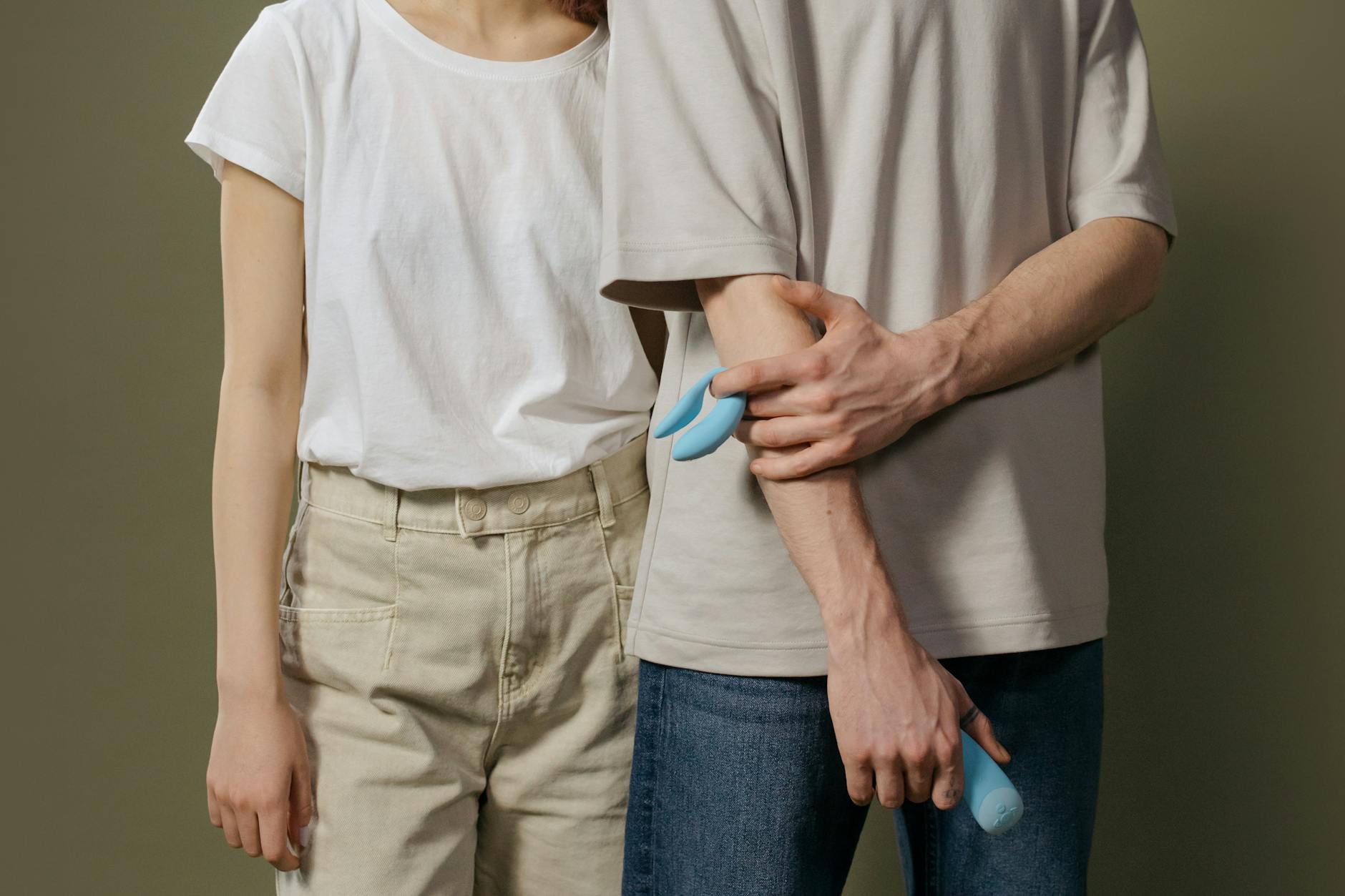
How to Rebuild Pleasure After Relationship Changes
Let's be real: when your relationship changes, your pleasure often takes a hit. Whether you've just ended a long-term partnership, navigated infidelity, shifted to a new dynamic with an existing partner, or started fresh after years solo, the pathway to pleasure isn't the same as it was before. Your body might feel foreign. Your desires might feel buried. The confidence that once came naturally can vanish overnight.
This isn't weakness. It's actually a signal that pleasure is deeply tied to safety, trust, and self-knowledge. When those shift, everything shifts with them. The good news is that rebuilding pleasure is absolutely possible, and often leads somewhere deeper than where you started.
Why Relationship Changes Disrupt Pleasure
When you're in a long-term partnership, pleasure often becomes relational. You've learned how your partner touches you, what rhythm works, what cues matter. Your body has built neural pathways around that specific dynamic. When that relationship ends or fundamentally changes, those pathways don't disappear. They just become confusing.
Additionally, relationship transitions often bring emotional turbulence. Grief, anger, doubt, or anxiety don't leave much room for pleasure. Your nervous system is in protection mode, not exploration mode. This is why grief after a breakup often includes a loss of libido or even numbness during intimacy. You're not broken. Your body is doing its job.
For those navigating infidelity or betrayal, there's an extra layer. You might feel unsafe in your own body or with a partner. Pleasure requires a sense of safety, and that takes time to rebuild.
Separating Pleasure From Partnership
One of the most important shifts I help clients make is this: pleasure doesn't belong to someone else. It belongs to you. When pleasure becomes entirely relational, you're outsourcing your own bodily knowledge.
Rebuilding after a relationship change starts with reclaiming solo pleasure. This isn't about replacing a partner. It's about remembering that your desire, your body, and your capacity for sensation exist independently of anyone else.
This is where exploring your own pleasure without performance pressure becomes essential. Tools like lemon clitoral vibrators are particularly helpful here because they remove the guesswork. The sensation is direct, consistent, and entirely about what feels good to you. No negotiation, no rhythm to match, no worry about pleasing someone else.
Start by giving yourself permission to explore without a goal. Not "I should be able to orgasm." Just "What does my body enjoy right now?" That shift in framing opens up a lot of possibility.
The Role of Safety in Rebuilding Desire
If your relationship change involved betrayal or boundary violations, pleasure rebuild is slower and deeper work. Your nervous system learned that partnership wasn't safe. Teaching it otherwise takes time.
Safety comes first from self. This means establishing clear personal boundaries, honoring your timeline, and refusing to rush. If you're with a new partner, safety means communication about what happened, what you need, and what you're afraid of. It means going slow and checking in with yourself frequently.
Solo exploration is often the safest starting point because you control all the variables. You decide when, where, how fast, when to stop. This rebuilds the felt sense of safety in your own body. Once that's established, partnered pleasure becomes an addition to a foundation that already exists.
Practical Steps to Reconnect With Your Own Pleasure
Start small. You don't need two-hour sessions. Ten minutes of intentional exploration is more valuable than forcing an hour because you think you "should." Set a timer if it helps.
Create a dedicated space. This doesn't have to be fancy. A room where you feel comfortable, locked door, phone on silent. The point is separating this time from the rest of your life.
Use lubrication. Whether you're dealing with stress-related dryness or just need extra glide for comfort, water-based lubricant removes friction and makes exploration feel better. It's not a sign of dysfunction. It's basic care.
Try a lemon vibrator or other clitoral vibrator. Air-suction devices and clitoral vibrators work brilliantly for pleasure rebuild because they provide consistent, straightforward sensation. You're not learning a new partner's touch. You're learning your own response without the variables of friction, pressure, or pace.
Notice without judging. Your body might respond differently than it used to. That's information, not failure. Maybe something that felt good before now feels overwhelming. Maybe you need more time to warm up. Maybe you're drawn to entirely new sensations. All of this is normal and useful.
Reconnecting With Pleasure When You're With a New Partner
If you've moved into a new partnership after a relationship shift, the same principles apply, but with an added layer. You'll want to communicate about your history and any sensitivities around pleasure.
You don't need to divulge everything. But your partner deserves to know that you're rebuilding, that you might need to go slower, and that your pleasure might look different than it has with others. This is actually an opportunity. When you tell a partner that you're learning your own desires, you're inviting them into genuine exploration rather than performance.
Many couples find that incorporating tools like lemon sexual toys into partnered pleasure helps because it removes pressure. There's no performance, no "am I doing this right." You're both discovering what feels good together. This often creates more intimacy than traditional approaches because it's collaborative rather than competitive.
When Pleasure Rebuild Takes Time
After significant relationship trauma, pleasure might not return for months or even longer. This is normal. Your brain is processing loss, rebuilding trust, and recalibrating what safety means. Pushing yourself into pleasure before your nervous system is ready will backfire.
If months have passed and you're still experiencing numbness, pain during sex, or complete disinterest, talking to a therapist is really valuable. Relationship trauma can create lasting patterns in your nervous system that respond well to somatic work or EMDR. You might also want to check in with a doctor to rule out any medical factors like low testosterone or hormonal changes.
The goal isn't to get back to where you were. It's to move forward to a place where pleasure feels safe, autonomous, and genuinely yours.
Building Confidence From the Inside Out
Confidence in pleasure isn't about being "good at sex." It's about trusting your own body and knowing what you like. After a relationship change, that trust is often shaken. Rebuilding it happens through small, repeated experiences of your own pleasure mattering.
Each time you spend intentional time with your own body, you're sending a message: I'm worth this time. My pleasure is important. My body is trustworthy. This might sound simple, but these messages reshape your nervous system over time.
This is why solo exploration with tools like lemon clitoral vibrators is so powerful. You're not waiting for someone else to create pleasure. You're creating it yourself. You're practicing the feeling of being responsible for your own wellbeing.
Bringing Pleasure Back Into Partnership
Once you've reestablished your own pleasure pathway, integrating that into partnership is different. You're not handing over responsibility for your pleasure to someone else. You're sharing your pleasure. You know what you like. You can guide your partner. You have agency.
Many people find that this makes partnered sex significantly better. You're not waiting to be touched in the right way. You know what the right way is. This removes so much pressure and creates so much more satisfaction.
If you're with a partner, involving them in your rebuild can be beautiful work. They can watch you explore solo, learn what turns you on, understand your timing and preferences. Or they might use clitoral vibrators together with you as a way to explore shared pleasure. There's no single right way. The point is that you're doing it consciously, with communication, and with equal attention to your desire.
FAQ: Rebuilding Pleasure After Relationship Changes
How long does it take to rebuild sexual confidence after a breakup?
This varies wildly. For some people, a few months of solo exploration is enough. For others, especially after long-term partnerships or traumatic relationships, it takes six months to over a year. The timeline depends on how much time you spent in the previous relationship, the nature of the ending, and your own processing style. Pushing yourself to a faster timeline usually backfires. Trust your own timeline.
Is it normal to feel numb during solo pleasure after a relationship ends?
Completely normal. After a breakup or major relationship shift, your body often goes into a protective state where sensation dulls. This is your nervous system doing its job. Keep exploring gently without pressure. Numbness usually lifts over weeks to months. If it persists beyond six months, check in with a therapist or doctor.
Can using a lemon vibrator or other clitoral vibrator help rebuild pleasure faster?
Not faster, but differently. Clitoral vibrators provide consistent, direct sensation that can help your body remember what pleasure feels like when there's no relational dynamic layered on top. They're tools for self-discovery, not shortcuts. Many people find that having a reliable source of good sensation helps rebuild confidence in their body.
How do I talk to a new partner about rebuilding pleasure after past relationship trauma?
Start simple and honest: "I'm rebuilding my relationship with my own pleasure, and that might look different than it has in the past. I might need to go slower or try different things." Most partners appreciate this clarity. If someone responds poorly to you setting boundaries around pleasure, that's valuable information about them. Your needs matter.
Is it okay to use toys solo while rebuilding confidence, then stop using them with a partner?
Absolutely. Toys are tools for exploration. Some people use them solo, some incorporate them into partnered sex, some move away from them over time. There's no requirement to do anything a specific way. Use what serves you in the moment.
What if I'm rebuilding pleasure but my partner doesn't understand why I need solo time?
This is a conversation worth having directly. Your partner deserves to understand that solo exploration isn't about them. It's about you building an internal foundation of self-knowledge and confidence. Many partners, once they understand, become genuinely supportive. If your partner insists on being involved in all your pleasure or resists your autonomy, that's a red flag about the relationship itself.
Moving Forward
Rebuilding pleasure after a relationship change isn't linear. Some weeks you'll feel motivated and curious. Other weeks you won't feel anything. Both are normal. The practice is showing up to yourself with patience and letting pleasure rebuild at its own pace.
Your pleasure isn't something you lost permanently. It's something that's been interrupted, and you have the ability to rebuild it. That rebuild often leads somewhere deeper than before because it's based on self-knowledge rather than habit or partnership obligation.
Start small. Be kind to yourself. Trust your timeline. Your body knows how to feel good. Sometimes it just needs a little space and permission to remember.
If you're navigating relationship changes and want to explore this more deeply, I'm here to help. Reach out to Hello Nancy's team at /contact to chat about your specific situation.