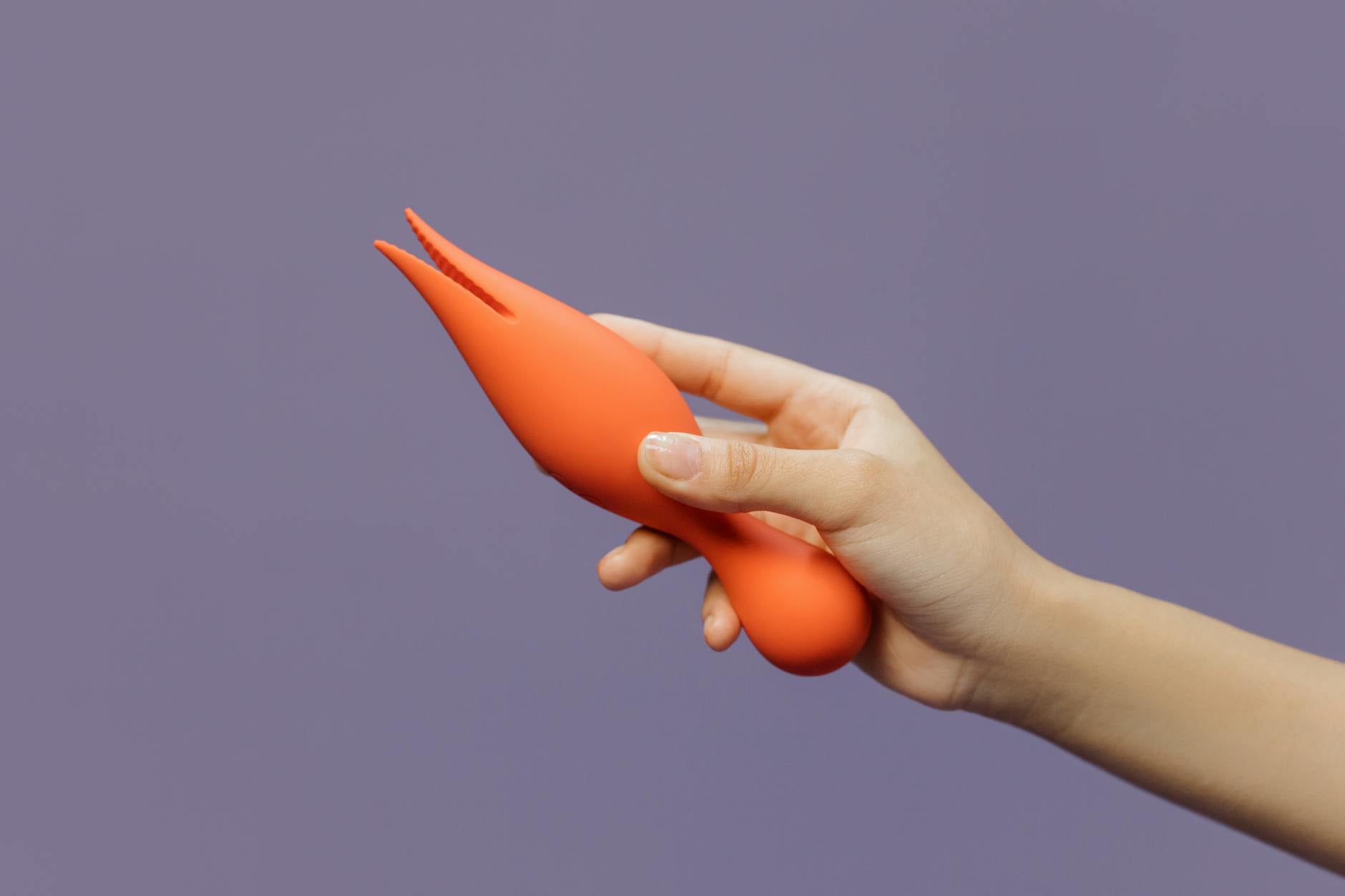
The moment nobody talks about enough
After vaginal surgery, pelvic surgery, or any kind of recovery that affects this part of your body, the question nobody asks but everyone wonders is: when can I feel pleasure again? Not just physically, but psychologically. When will it not feel like a mistake to want this part of myself to come alive again.
Here's the honest thing. Pleasure after recovery is absolutely possible. It's also different. And the difference isn't a problem. It's an adjustment. Lemon clitoral vibrators, specifically, are designed to bridge that gap. They work with your body during healing instead of against it.
Why traditional vibrators can feel wrong after surgery
Most vibrators rely on direct vibration or friction. After surgery, that intensity can feel alarming. Your nerves are resettling. Your pelvic floor is relearning its job. The tissue is still tender in ways that won't fully register until you try something that's too much.
That's where lemon suction vibrators differ completely. Instead of hitting tissue with vibration, they use gentle air-suction patterns. This means stimulation without friction. Without pressure on healing areas. Without the sensation that you're doing something unsafe.
The clitoral area itself was often not touched during surgery. Your clitoral nerves didn't get cut or moved. But your brain thinks everything down there is fragile right now. A lemon vibrator lets you prove to yourself that it isn't. That this part of you is resilient and alive.
The timeline for pleasure after recovery
This matters more than you think. Most surgeons clear you for penetrative sex after four to six weeks. But clitoral pleasure is different. Your surgeon doesn't need to clear that.
Once you're past the acute healing phase (usually two to three weeks post-op), you can explore clitoral stimulation with something as gentle as a lemon vibrator on the lowest setting. You're not penetrating. You're not creating friction. You're just checking in with sensation.
Many of my clients find that introducing a lemon clitoral vibrator at the three to four week mark helps them feel less disconnected from their body. It's gentle enough that it doesn't feel risky. It's powerful enough that it reminds you pleasure is still there.
How suction-based stimulation works during recovery
The technology behind lemon vibrators matters here because it changes everything about how safe and effective they feel post-op.
Instead of a motor vibrating at you, the Lem and other lemon suction toys create gentle waves of air pressure. The patterns build intensity gradually. They stimulate without battering. Your tissue isn't being rubbed or pressed. It's being encouraged to respond.
This is wildly different from a wand vibrator or a traditional clitoral vibrator. Those work through repetitive motion. Lemon suction vibrators work through rhythmic air waves. For post-op tissue, the difference is everything. You get sensation. You get pleasure. You skip the fear that you're damaging something.
Start on pattern 1 or 2. Spend time there. Let your body adjust to the sensation before moving to anything stronger. This is not a speed run. This is a conversation with your body about what it's capable of.
The emotional part nobody warns you about
After surgery, pleasure carries guilt. You might feel like wanting this means you're not respecting your recovery. You might worry that if something feels good, you're doing something wrong. That's the voice of fear, and it's temporary.
My work with couples through recovery has taught me that reconnecting to pleasure is actually part of the healing process. It's not rushing it. It's honoring the fact that you're a whole person, not just a surgical site.
Using a lemon vibrator gives you control in a way that penetration doesn't. You decide the intensity. You decide the timing. You decide when you're done. That agency matters psychologically as much as it matters physically.
If you have a partner, they don't need to be involved in this part. This is for you. Some people discover that using a lemon vibrator alone, in a space where they feel zero pressure, helps them rebuild trust in their body faster than anything else.
When to check in with your medical team
Pain during or after using a lemon vibrator is not normal and not something to push through. If you feel sharp pain, burning, or unusual discharge, that's your body saying stop.
Normal sensations after recovery include mild tingling, sensitivity that resolves quickly, and a gradual increase in what feels good. Abnormal sensations are severe pain, throbbing that lasts hours, or discharge that changes color or smell.
If something feels off, message your surgeon or gynecologist. You don't need to be vague. Tell them you're using a gentle clitoral vibrator and describe what you felt. Most doctors will tell you exactly whether it's normal or worth checking in person.
Building confidence back gradually
Pleasure after surgery is not a switch you flip. It's something you rebuild with patience and gentleness.
Week one of exploration: just hold the lemon vibrator. Feel its weight. Familiarize yourself with where the buttons are. No pressure to use it yet. This is about reducing the fear factor.
Week two: turn it on at pattern 1 near the area without touching yourself with it. Get used to the sound. Get used to the sensation of it being nearby. This sounds basic, but it works. You're proving to yourself that this is safe.
Week three and beyond: use it directly, starting with the gentlest pattern. Stay there for as long as you want. If you orgasm, great. If you don't, also great. The goal is not climax. The goal is reconnection.
Many people find that their first orgasm post-op comes as a surprise. You're not pushing for it. You're just exploring. And then your body remembers what pleasure feels like, and it happens. That moment is healing in a way nothing else is.
Why lemon vibrators specifically help after surgery
Lemon clitoral vibrators were designed with bodies in mind. The gentle suction patterns mean less pressure on healing tissue. The variety of intensity levels means you can start low and stay there for as long as you need. The quiet operation means you can use them without feeling like you're doing something unsafe or loud.
Many of my clients who used a lemon vibrator during recovery specifically say that the suction sensation felt less invasive than traditional vibration. It felt like the vibrator was inviting pleasure instead of forcing it. That distinction matters psychologically and physically.
If you're considering which lemon vibrator to start with, the standard Lem is ideal post-op. It's straightforward. The patterns are clearly labeled. You control the intensity completely. You're not learning a complicated interface while you're also healing.
What recovery actually looks like
There's a myth that after surgery you should just rest and not think about pleasure until you're "cleared for sex." That's not how bodies work. Reconnecting to sensation, starting gently, is part of your recovery. It helps your nervous system settle. It helps you feel less disconnected from your own body.
Using a lemon vibrator during recovery is not rushing anything. It's honoring that you're a person who deserves pleasure, even while you're healing. Especially while you're healing.
Your pleasure matters. Your body is stronger than the fear that surgery plants. A gentle, intentional approach to rekindling sensation using tools designed for safety helps you remember both of those things.
Frequently asked questions
How long after surgery can I use a lemon vibrator safely?
Most surgeons clear you for clitoral stimulation around the three to four week mark post-op, assuming healing is progressing normally. This varies by procedure type. C-sections, hysterectomies, and vulvovaginal surgeries have different timelines. Always confirm with your surgeon, but once you get the green light, a lemon vibrator on the lowest pattern is usually the safest starting point.
Will using a lemon vibrator during recovery slow down my healing?
No, assuming you're following your surgeon's clearance and starting gently. In fact, many pelvic floor therapists note that gentle clitoral stimulation can help your nervous system regulate during recovery. The key is listening to your body. If something hurts, stop. If something feels surprisingly good, that's a sign your body is healing well.
Should I tell my partner I'm using a lemon vibrator during recovery?
That's entirely your choice. Some people feel more comfortable exploring alone first, and bringing a partner in later. Others want their partner to understand the process. There's no right answer. What matters is that you're doing what helps you feel safe and reconnected.
Is it normal to feel anxious the first time I use a lemon vibrator post-op?
Completely. Your body has been through something. Your brain is protecting you. That anxiety usually fades within the first minute of use once you realize nothing painful is happening. If it doesn't fade, you can always try again another day. There's no deadline here.
Can I use lube with a lemon vibrator during recovery?
Yes. Actually, many surgeons recommend it. Water-based lubricant reduces any friction and makes the experience feel less intense. Apply it to the lemon vibrator or directly to your skin. This is especially helpful if your recovery involved any drying of tissue. Lube is not a shortcut. It's a tool that makes this exploration feel better.
What if I don't feel pleasure the first time I use a lemon vibrator post-op?
That's normal and doesn't mean anything is wrong. Pleasure after surgery is slower to return than you expect. You might feel sensation but not arousal. You might feel arousal but not orgasm. All of that is your body finding its way back. Keep exploring gently. The pleasure will follow.
Moving forward
Recovery is not a destination where you suddenly feel normal again. It's a process where you gradually remember what normal feels like and rebuild from there. Using a lemon vibrator during that process is a way of saying to yourself: I am whole. I am healing. I deserve pleasure. This part of me is not broken. This part of me is alive.
That message matters as much as the physical sensation. Start gently. Go slowly. Trust your body. And if you need guidance on any part of the process, your surgeon or a pelvic floor therapist can help. You don't have to figure this out alone.
If you want more support navigating pleasure and intimacy through life changes, reach out to Hello Nancy. We're here for the conversation.