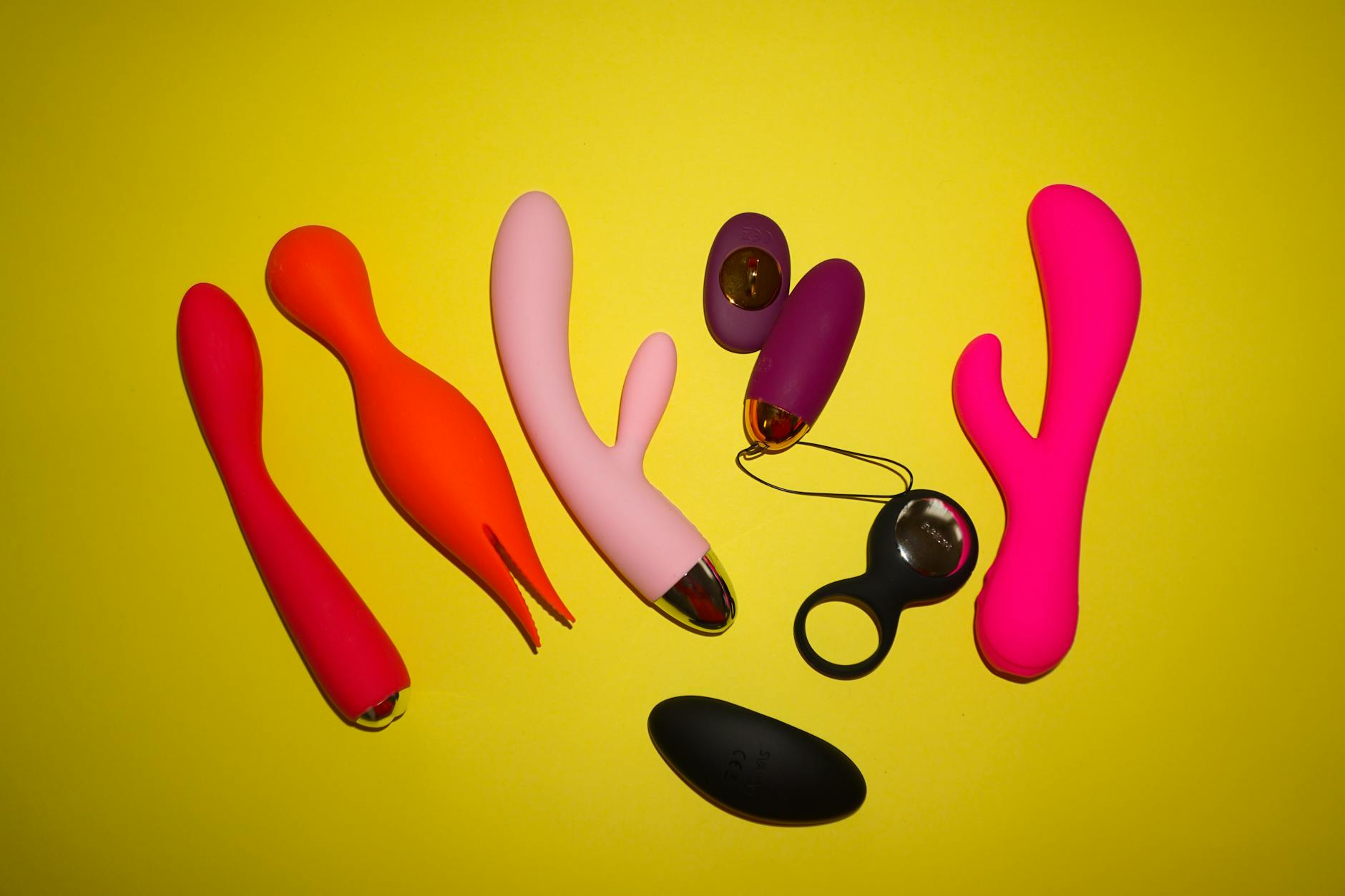
Here's what nobody tells you about pleasure after 60
Your body doesn't stop wanting pleasure. What shifts is how you access it, what it feels like, and honestly, how much permission you're willing to give yourself to pursue it. After 60, a lot of people notice their sexual response changes, their energy for partnered sex might fluctuate, or the whole architecture of desire feels different. That's real. What's also real: this can be the most sexually confident and curious decade of your life if you approach it with the right information and tools.
I work with women over 60 regularly, and the pattern is always the same. They come in thinking pleasure is supposed to look the way it did at 35. When it doesn't, they assume something's broken. It's not. The hardware is fine. You just need to understand how it's been updated.
What actually changes after 60
Let's get specific about the physiology because it matters. Estrogen continues to decline post-menopause, which means vaginal tissue stays thinner and produces less natural lubrication. Blood flow to the clitoris doesn't disappear, but it can take longer to arrive. The pelvic floor muscles naturally lose some tone and elasticity. Sensation can feel duller in some areas, sharper in others depending on your nerve density and circulation.
But here's the part that gets buried in medical literature: your capacity for orgasm doesn't decline. Your clitoral nerve density doesn't evaporate. Your brain's ability to process pleasure stays intact. What changes is the speed and the pathway, not the destination.
Many clients report that orgasms after 60 feel deeper, more focused, or more emotionally resonant than they did decades earlier. This isn't metaphorical. Reduced estrogen actually changes how nerve signals fire. For some people, that means less diffuse sensation and more concentrated pleasure in the clitoris itself. For others, it means longer arousal buildup but longer, more intense release.
Why your arousal timeline got longer (and that's actually useful information)
After 60, arousal typically takes 15 to 25 minutes to build instead of 5 to 10. This sounds like a drawback until you realize it's not a bug, it's a feature. A longer arousal phase means more time for fantasy, more time for your nervous system to settle, more time to pay attention to what actually feels good instead of rushing to a predetermined finish line.
I see this distinction matter most for solo exploration. When you're alone with a lemon vibrator, you're not managing anyone else's pace or pleasure. That slower buildup means you can experiment with different patterns, intensities, and angles without pressure. You can stop and restart. You can spend 20 minutes on foreplay with yourself. That's not a limitation. That's freedom.
How clitoral vibrators work better for your body after 60
This is where tools like Lemon Pleasure Toys' clitoral vibrators become genuinely useful. Air-suction and pulsing vibrators don't require the same direct friction that can feel uncomfortable on thinner, more sensitive tissue. Instead of persistent buzzing, you get rhythmic stimulation that mimics the sensation of oral sex without the intensity that sometimes triggers numbness or irritation on aging vulvas.
Start with a lower intensity setting. Most lemon vibrators have 3 to 5 speed levels. For over-60 exploration, I typically recommend starting at pattern 1 or 2, even if you've used vibrators before. Your tissue is different now, and the goal isn't to hit maximum intensity immediately. It's to wake up sensation gradually and figure out what rhythm actually feels best for you.
Many women over 60 find that patterns 2 and 3 on a quality clitoral vibrator give them the deepest, most sustained orgasms because the rhythm is slower and more deliberate than they're used to. You're not racing. You're exploring.
The mental shift that changes everything
Honestly, the biggest change after 60 isn't physical. It's psychological. By your sixties, you've likely spent decades performing pleasure, managing other people's expectations, or quietly suppressing your own desires. Menopause gave permission to stop the monthly cycle. Aging removes the pressure to be conventionally attractive. Kids are usually launched. The mental load lightens.
This is your opening. This is when you can actually ask yourself: What do I want? Not what should I want. Not what did I want at 30. What do I want now, in this body, at this age?
For many women, that question leads to solo exploration for the first time in decades. Not because they've lost interest in partnered sex, but because they're curious about their own body without another person's rhythm or preference shaping the experience. A lemon clitoral vibrator becomes a conversation with yourself rather than a tool for performance.
When to use a vibrator for solo pleasure versus with a partner
These are two different conversations. Solo play is about discovery and sensation. Partnered play is about connection and communication. After 60, you might find you want both, or you might discover you prefer one. That's the point. You get to know.
If you're exploring solo, you have no one to coordinate with. Use whatever intensity, pattern, and timing feels good. Stop when you want. Start again 20 minutes later if you feel like it. The pressure is completely gone.
If you want to bring a clitoral vibrator into partnered sex, that's a separate conversation with your partner. It's not a replacement for them. It's an addition. It's "I want to explore sensation this way, and it might bring something new to what we share." Many couples over 60 find that clitoral vibrators actually improve partnered sex because they take pressure off penetration and let everyone focus on what actually builds pleasure.
Practical tips for your first exploration
Three things to know before you start. First, use a water-based lubricant even if you don't think you need it. Thinner tissue benefits from it, and it changes the sensation dramatically. You're not broken if you use lube. You're being smart.
Second, set aside time when you're not rushed or anxious. Not 10 minutes stolen before sleep. A real 30 to 45 minutes when your nervous system can actually settle. Light a candle. Put your phone in another room. This is a practice, not a transaction.
Third, go slow. If you're using a lemon vibrator for the first time after 60, start at the lowest setting. Explore the different patterns. Notice what feels good versus what feels numb. This is data gathering. Your body will teach you what works.
When sensation feels numb or absent
If you're trying and not feeling much, that's not unusual and it's not permanent. Sometimes it takes a few sessions for sensation to wake up. Sometimes you need a different angle. Sometimes you need a partner's touch first to prime the system. Some people over 60 benefit from topical estrogen cream (a prescription from your doctor) applied a few times a week, which thickens vaginal tissue and increases blood flow. That's a conversation worth having with a menopause-informed provider.
You might also discover that sensation is there, but subtler. Not the explosive feeling of your thirties, but something steadier and more localized. That's not worse. It's different. Your job is to get curious about it rather than waiting for it to feel like it used to.
FAQ: Your most asked questions about pleasure after 60
Is it normal for arousal to take so much longer after 60?
Completely normal. Blood flow changes with age, and estrogen decline affects how quickly your nervous system responds to stimulation. Longer arousal isn't a problem to fix. It's information about your body now. Use that time to build anticipation, try different sensations, or connect with your partner differently.
Should I use the same vibrator settings I used in my forties?
Probably not. Tissue sensitivity changes after 60, and what felt gentle at 45 might feel too intense now. Start lower than you think you need to. You can always increase intensity, but you can't unring the bell on overstimulation. Most people over 60 find that mid-range intensities on quality clitoral vibrators actually feel more satisfying than the highest settings.
Can lemon vibrators help if I've lost interest in partnered sex but want solo pleasure?
Absolutely. Interest in partnered sex and interest in solo pleasure are separate things. They don't always move in sync. Some people lose interest in partnered sex temporarily or permanently but discover they love solo exploration. A clitoral vibrator gives you a way to experience pleasure on your own terms without waiting for a partner's interest or availability.
What if my partner is threatened by me using a vibrator?
That's a conversation bigger than a vibrator. A partner's insecurity about your solo pleasure is their insecurity to work through, not a reason to suppress your curiosity. If you want partnered sex to improve, you actually need both of you to understand your own pleasure first. Sometimes solo exploration with a tool helps. Sometimes it leads to a conversation about what you both want. Both outcomes are valuable.
Is there a best time of day to explore with a vibrator after 60?
Whenever your energy is highest and your mind is quietest. For some people that's morning. For others it's evening. The key is not tired and not rushed. You want your nervous system available, not your body on autopilot. Some people find that a light workout or warm shower beforehand helps wake up sensation and blood flow.
What if I don't orgasm the first few times I try?
Patience. After 60, orgasm sometimes takes longer to build and sometimes needs a different pathway than it did before. That doesn't mean it won't happen. It might mean you need a different intensity, a different position, a different fantasy, or more lubrication. It might mean your body needs a few sessions to remember what pleasure feels like. Keep exploring. The destination matters less than the fact that you're paying attention to yourself.
The permission you might actually need
After 60, pleasure is not indulgent. It's not frivolous. It's not something you should feel guilty about claiming for yourself. Sexual pleasure at any age contributes to cardiovascular health, mental wellbeing, better sleep, and a stronger sense of agency in your own life. The research backs this up. But you don't need research. You just need permission.
Give it to yourself. Your body wants to feel good. Your clitoris is still there, still capable, still interested. You deserve to explore what that means in this decade of your life. A lemon vibrator is just a tool. But it's a tool that says: I'm worth this. My pleasure matters. I'm not done yet.
Honestly, that's the real power. Not the vibration. The permission.