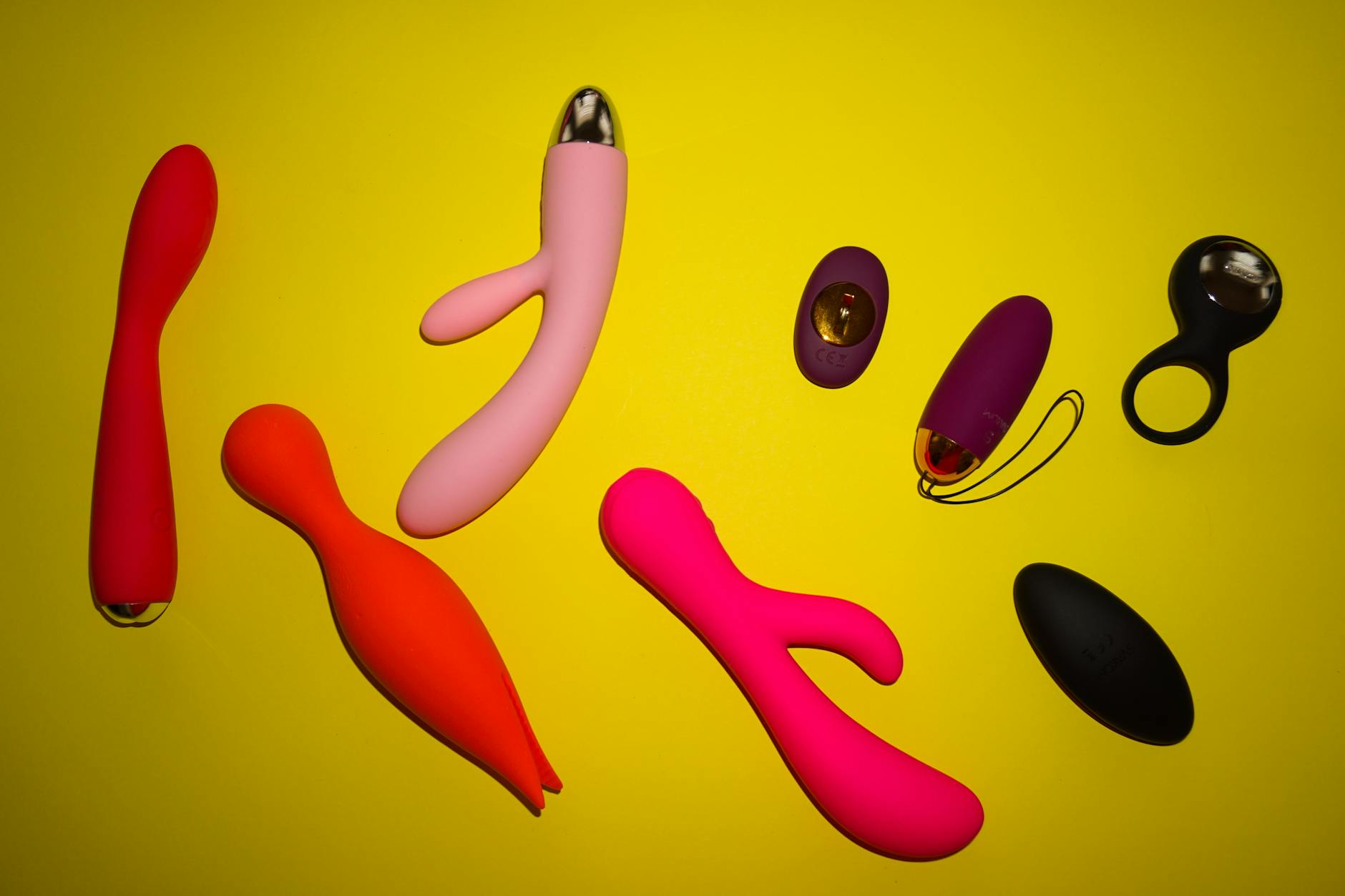
Let's talk about the elephant in the couple's bedroom
You used to orgasm almost every time. Now it's maybe once a week, or once every other week. Your partner hasn't changed much. You still love them. But somewhere between year three and year seven, the frequency dropped, and neither of you has really talked about it.
This is so common I'd almost call it universal. And it's almost never about desire dying. It's usually about something much more interesting.
Why orgasm frequency actually drops in long-term relationships
There are three things happening at once, and they all matter.
First: the novelty tax. Early sex in a relationship runs on adrenaline, uncertainty, and the dopamine hit of a new body. Your brain is flooded with chemicals that make everything feel more intense. That's not fake. But it's also not sustainable. By year five, your nervous system has calmed down around this person. That's not failure. That's actually the foundation of real intimacy. But it does mean orgasms feel different and require more intention.
Second: the performance layer gets heavier. In the first year, you're both trying. You're both showing up. Somewhere around year four or five, patterns lock in. You know what works for your partner. They know what works for you. Sex becomes efficient. It becomes a script. Scripts feel safe, but they don't generate much heat. And heat is what pushes orgasm across the finish line.
Third: everything else gets louder. Stress, work, kids, aging parents, money worry, the low hum of resentment that builds when you haven't had a real conversation in three weeks. Orgasm is metabolically expensive. Your nervous system won't prioritize it when it's running on fumes.
None of this is fixable with willpower alone. But it is fixable with the right tools.
How sensation shifts in long-term partnered sex
Here's what I hear from couples in this situation. The touch that used to send electricity through the body now feels like foreplay. It feels like the setup, not the main event. Your partner is doing the same things they've always done. But your nervous system has learned those patterns so well that it barely registers them anymore. Your attention wanders. You start thinking about tomorrow's meeting. And then neither of you can reach orgasm, and you both get frustrated, and sex becomes something to avoid.
This is where lemon vibrators change the equation. A clitoral vibrator introduces novelty without introducing a new partner. It's a different sensation on familiar tissue. It's stimulation at a frequency your hand alone can't reach. For many people, especially in long-term relationships where touch has become predictable, that shift in stimulation type is enough to wake up the nervous system again.
The Lemon clitoral vibrator, for instance, uses suction rather than vibration. Suction hits the clitoris and surrounding tissue in a way that mimics a certain kind of mouth sensation, but more concentrated and more controllable. It's not something a partner's hand can replicate, which means it feels genuinely different every time.
The emotional permission that matters more than technique
Here's the thing nobody talks about: orgasm frequency in couples drops not just because sensation changes, but because permission evaporates. Early in a relationship, you feel like you have the right to ask for what you want. You're new. You're both a little unsure. Asking feels natural.
After ten years, asking for something different feels like criticism. "I want to use a vibrator during sex" gets interpreted as "your touch isn't enough." It usually isn't meant that way. But that's what gets heard. So people stop asking. They stop reaching. And orgasms happen less often because the actual mechanism for pleasure has been polished into invisibility.
Introducing a lemon vibrator into partnered sex actually restarts that permission conversation. "I want to try this together" is different than "I need more." It opens a door instead of closing one. And once you're talking about pleasure again, everything shifts.
The practical logistics that change everything
There are three ways to actually use lemon vibrators when you're in a long-term partnership and your orgasm frequency has dropped.
Solo, before sex. Your partner foreplay for ten minutes, and you use the vibrator during that time. This gets you closer to the edge before partnered sex even starts. By the time your partner enters the picture, your nervous system is already activated. Orgasm becomes possible again.
During partnered sex. You or your partner holds the vibrator during penetration or during manual stimulation. This is less about removing your partner from the equation and more about adding a different sensation layer. It's collaborative. Many couples find this actually deepens the connection because you're both focused on the same goal.
After partnered sex if you haven't reached orgasm. This one is huge because it removes the pressure. You both can relax. You know an orgasm is still possible. Your partner can be inside you or next to you or in the other room. The pressure evaporates, and often, the orgasm follows.
The key is that none of these approaches require you to start from scratch. You're working with what already exists in your relationship and adding a tool that makes the existing structure work better.
When to bring this up without creating a crisis
Timing matters here because we're in the emotional realm now, not just the sensual one. Don't have this conversation during sex or right after sex. Don't have it when you're both tired or stressed. Have it over coffee or during a walk, when you're both calm and focused.
Start with data, not emotion. "I've noticed orgasms have been less frequent for both of us, and I miss that feeling. I've been reading about how common this is after several years together, and I found something I'd like to try." Then show them the vibrator if you have one, or pull up a picture. Normalize it by talking about it the way you'd talk about any other tool. Because that's what it is.
The worst thing you can do is frame it as a problem with your partner. The best thing you can do is frame it as a solution for both of you. Because it is.
The actual difference it makes
I've worked with dozens of couples in this exact situation. The shift usually happens in two to four weeks once they actually start using a lemon vibrator together. Not because the vibrator is magic, but because the vibrator gave them permission to start talking about pleasure again. And once they're talking about pleasure, they start noticing other things. They remember why they liked each other. They start asking questions again. Foreplay gets longer. Conversation gets more intentional.
Orgasm frequency goes up. But the real change is that sex feels like something you both want again, not something you both go through.
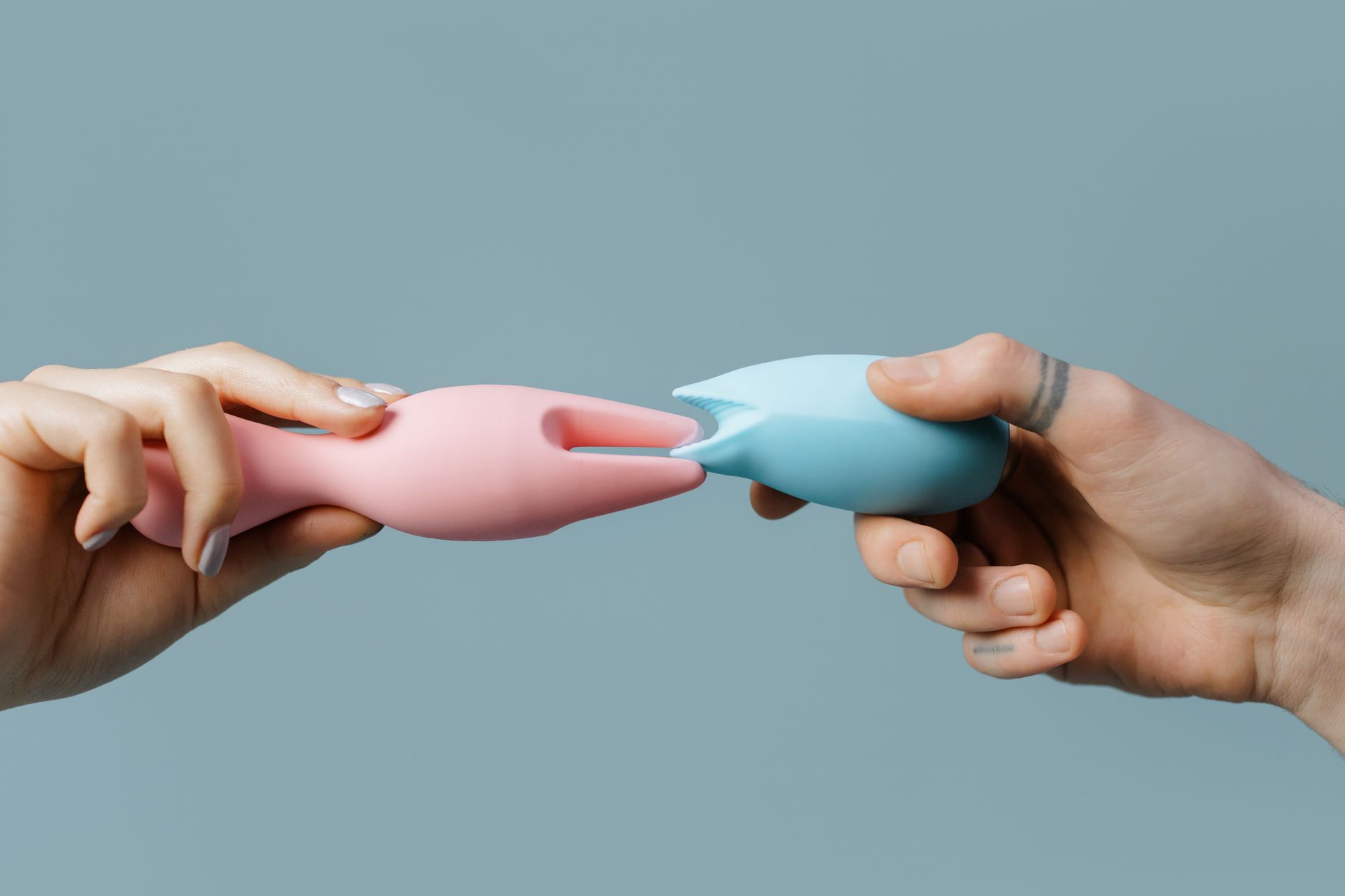
Photo by cottonbro studio on Pexels
When this approach doesn't work on its own
If you've tried introducing a vibrator and orgasm frequency is still low, or if you're noticing that neither of you actually wants sex anymore, that's a different signal. That's usually pointing to something deeper in the relationship. Resentment. Communication breakdown. Unresolved conflict. A vibrator can't fix that.
This is the moment to talk to a couples therapist, not because something is broken, but because you deserve to have someone help you both understand what's really happening. Sometimes low orgasm frequency is just about sensation. Sometimes it's about everything else, and sensation is just where it shows up first.
The bigger picture
Orgasm frequency dropping in a long-term relationship is not a failure. It's a natural adaptation. Your nervous system has learned to feel safe with this person, which is the whole foundation of lasting intimacy. The goal isn't to recreate the early-relationship orgasm intensity. That was never sustainable. The goal is to build something deeper that feels good and keeps you both connected. Tools like lemon clitoral vibrators help with that because they interrupt the pattern just enough to remind you both what pleasure feels like. And once you remember, everything else becomes easier.
FAQ
Why do orgasms happen less often in long-term relationships?
Orgasm frequency drops because novelty decreases, patterns become predictable, and your nervous system learns to feel safe (which is actually good, but it does calm arousal). Stress, resentment, and performance pressure also make it harder for your body to reach the finish line. This is normal and fixable.
Can using a vibrator make my partner feel replaced?
Only if you frame it that way. If you introduce it as a tool you want to explore together, as something collaborative, most partners feel included rather than threatened. The key is conversation before you introduce the vibrator, not after.
How often should we use a lemon vibrator if we're trying to increase orgasm frequency?
Start with once or twice a week during sex. Consistency matters more than frequency. You're re-establishing the neurological pathway for orgasm, which takes a few weeks of regular practice. After two to three weeks, you'll usually notice the shift happening.
What if I reach orgasm with the vibrator but not with my partner?
This is information, not a failure. It tells you that your nervous system needs a certain type of stimulation to cross the threshold. That's useful data. You can then work with your partner to understand what that need is. Sometimes it's intensity. Sometimes it's novelty. Sometimes it's pressure. Once you know, you can build it into your partnered sex in other ways.
Should we use lemon vibrators every time we have sex?
No. The goal is to use them enough to reset your nervous system's arousal threshold, then dial back to a frequency that feels natural. Many couples find they use vibrators regularly for a few months, then move to occasional use. The key is that the option is there, and you're both comfortable with it.
Is there a way to talk about this without my partner thinking I'm unhappy?
Frame it as curiosity, not crisis. "I read that couples often explore new things after several years together, and I'd like to try this with you" is different from "I'm not satisfied anymore." Lead with collaboration, not complaint. If your partner gets defensive, that's often about their own insecurity, not about your actual need. That's a separate conversation, and it might be worth having with a therapist.
If you're ready to restart this conversation with your partner, reach out to us or explore our buying guide to find the right lemon vibrator for your situation. And if you'd like to understand more about how arousal changes over time in relationships, we have resources for that too.