Can Lemon Vibrators Help With Low Libido After 40?
Let's be real: the conversation around libido after 40 is broken. You hear "it's just hormones" or "desire naturally fades," and both feel dismissive because they are. The truth is messier and more fixable than that.
Low libido after 40 usually isn't about aging itself. It's about stress, disconnection, hormonal shifts, relationship patterns, or sometimes just not knowing your body anymore. And here's the thing: lemon vibrators and clitoral vibrators in general can be part of the solution, but only if you understand why desire actually fades in the first place.
I've worked with hundreds of couples navigating this exact territory. The ones who reignite desire aren't the ones waiting for it to magically return. They're the ones who get curious about their own pleasure again.
What actually kills desire after 40
Desire doesn't evaporate because you hit a certain age. It dies from neglect, resentment, or feeling like your body doesn't respond the way it used to. The midlife years come loaded: career pressure, aging parents, grown children, relationship fatigue, health changes. All of that stress literally dampens your nervous system's ability to feel aroused.
Hormones matter, sure. Estrogen does drop in the lead-up to and after menopause. Testosterone declines gradually for everyone. But that's one variable in a much larger equation. Relationship disconnection, untreated anxiety, medication side effects, and simply not making pleasure a priority are often doing more damage than hormones alone.
Here's what I see clinically: the couples who come in saying "I just don't want sex anymore" are usually describing one of three things. The first is genuine disconnection from their own arousal—they've stopped exploring, stopped knowing what feels good, stopped asking for what they need. The second is resentment or emotional distance. The third is that their partner doesn't know how to touch them anymore, and neither person knows how to rebuild that.
None of those problems age you out of sex. All of them can be worked with.
Why lemon vibrators specifically help restart desire
Lemon vibrators use suction technology rather than just vibration, and that difference matters for how your nervous system wakes back up. Here's why.
When desire has been dormant for a while, direct stimulation can feel too intense or even irritating. It's like trying to sprint when you haven't trained in months. Your body needs the nervous system to gradually shift from stressed to aroused, and that takes a particular kind of stimulation.
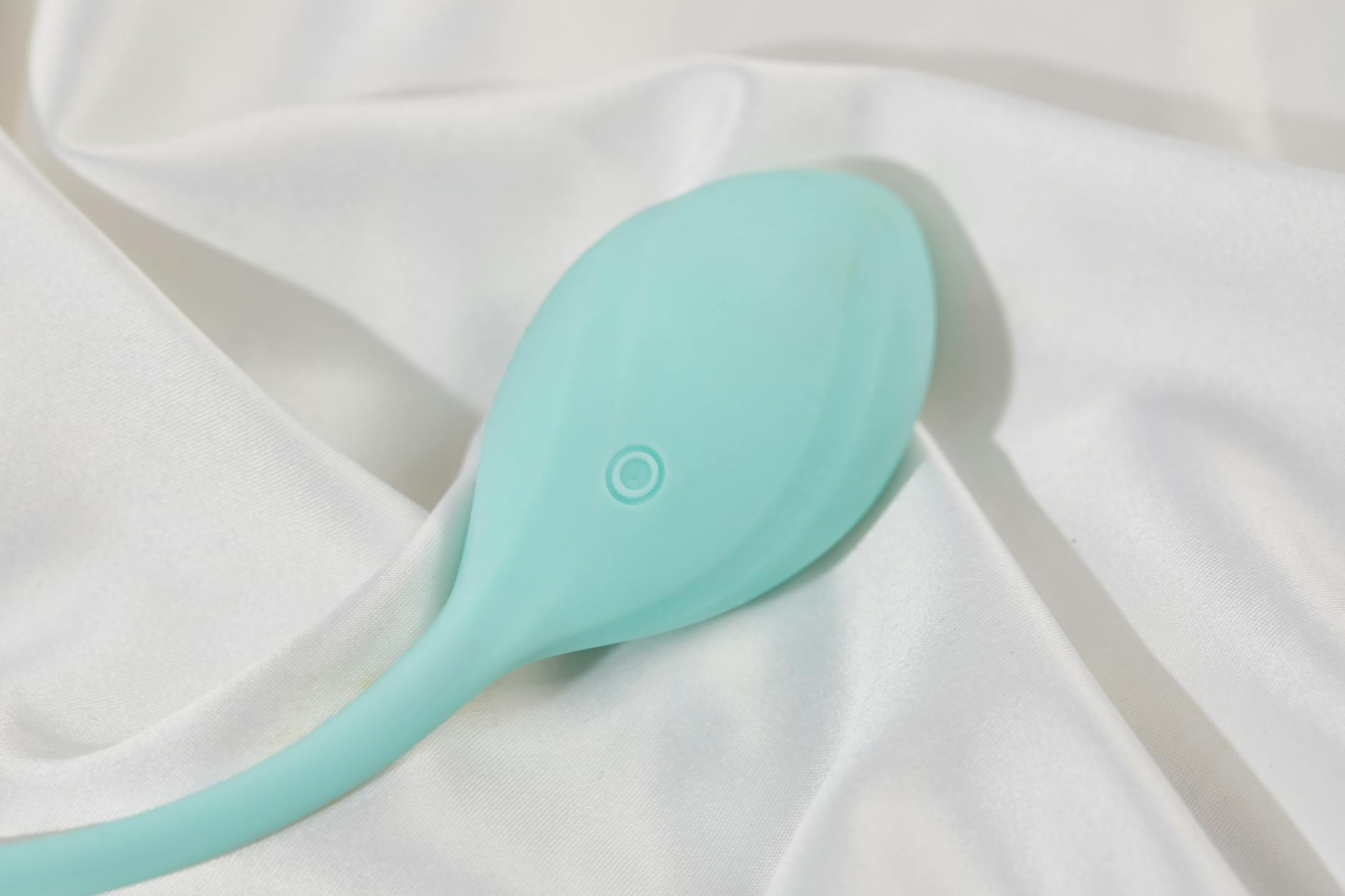
The suction mechanism of lemon clitoral vibrators (like the Hello Nancy Lem) creates a different sensation than traditional vibrators. It's less sharp, more enveloping. For people who've been touch-averse or who are re-learning their bodies after 40, that gentler approach often feels more accessible. You can start low, explore at your own pace, and let arousal build rather than forcing it.
In practical terms, that means you're not fighting your body's signals. You're listening to them. And once you remember what pleasure feels like, desire usually follows.
The research backs this too. Studies on clitoral stimulation technology show that varied sensation patterns activate the nervous system differently than consistent vibration alone. A lemon sucker's pulsing rhythm can help people with lower baseline arousal actually reach orgasm, which is the central issue many people over 40 report: it's not that they don't want sex, it's that their body won't cooperate in the same way it used to.
The emotional piece nobody talks about
Here's the part that matters more than the toy itself.
When you take 20 minutes alone to explore what feels good, you're sending your nervous system a message: I deserve pleasure. I'm worth the time. That's not frivolous or selfish. That's the foundational belief that makes desire possible in the first place.
In long-term relationships, desire often dies because neither person is actively choosing the other anymore. You're coexisting. You're managing logistics. The sexual connection becomes optional, which means it eventually stops happening. Using lemon vibrators alone can interrupt that pattern, but only if it's part of a larger shift where you're reclaiming your own arousal as a priority.
This is where I see couples get stuck. One person wants to use a vibrator (maybe a lemon clitoral vibrator or other Hello Nancy product), and the other feels like it's a referendum on them. It's not. It's about you remembering that pleasure is yours to explore. That actually rebuilds desire in the relationship because you're no longer waiting for someone else to create it for you.
What actually restarts libido after 40
It's a combination of three things, and lemon vibrators are only one piece.
First, your own nervous system needs to remember arousal. That means solo exploration, without pressure to do anything specific or reach any outcome. This is where tools like lemon suckers come in naturally. You're not trying to perform. You're not worried about your partner's experience. You're just finding out what your body responds to now.
Second, stress and disconnection have to be addressed. This might mean therapy, couples counseling, lifestyle changes, or conversations you've been avoiding. You can't vibrate your way around resentment. You can't use a lemon vibrator to fix a relationship where emotional intimacy is broken. Sometimes low libido is your body's way of saying something else needs attention first.
Third, your partner needs to understand what's happening. If they feel rejected or replaced by a vibrator, the whole thing backfires. The conversation isn't "I want a tool." It's "My desire has been buried under stress and disconnection, and I'm going to explore what it takes to wake it back up. I want you to be part of that, but I also need to do this work for me first."
When those three things are aligned, lemon vibrators and other quality clitoral vibrators become genuinely helpful. They're not the solution by themselves. They're the permission slip and the tool that lets your body remember it's capable of pleasure.
Practical steps to restart desire
If you're in your 40s or beyond and libido has flatlined, here's what I recommend.
Start with solo exploration. No pressure, no performance metrics. Spend 15 to 20 minutes with a lemon clitoral vibrator in a comfortable, private space. Don't aim for orgasm. Aim for curiosity. What patterns feel good? What intensity? When does your body respond more? This alone often restarts the nervous system's arousal pathway.
Second, get a baseline health check. Low libido can signal low thyroid, low iron, unmanaged anxiety, medication side effects, or vitamin deficiencies. A doctor can rule these out quickly and it changes everything.
Third, name the real issue in your relationship or with yourself. Is it stress? Is it disconnection? Is it that you've never actually explored your own pleasure? Is it resentment? Be honest about which one applies. That determines what actually fixes it.
Fourth, if you have a partner, tell them what you're doing and why. This isn't about the vibrator. It's about you choosing to prioritize your own arousal and inviting them into that decision. Read about how to use a lemon vibrator with your partner if you need language for that conversation. Some couples find that introducing a vibrator rebuilds intimacy that had drifted away.
The role of lemon vibrators in midlife desire
Lemon vibrators and lemon sexual toys aren't magic. They don't cure relationship problems or fix hormonal imbalances on their own. But they do offer something important: they give your nervous system permission to feel pleasure again, without the performance pressure that often kills arousal in midlife relationships.
The Hello Nancy Lem, for example, uses suction technology that feels different enough from traditional vibration that many people who thought they were "done" with arousal suddenly realize they're just done with their old patterns. That's the actual power. It's not the toy. It's the reset.
Desire after 40 isn't a lost cause. It's usually just dormant. It wakes back up when you give it attention, the right tools, and permission to change shape.
Common questions about libido and lemon vibrators
Can a vibrator actually restore desire or is it just a temporary fix?
A lemon vibrator itself isn't a permanent fix, but it can interrupt the pattern long enough for real change to happen. When you remember that your body is capable of arousal and pleasure, that knowledge doesn't disappear. The vibrator is the wake-up call. Your own nervous system is what sustains the shift. The key is using it as a starting point for deeper work around stress, relationship connection, and self-awareness, not as a substitute for those things.
Why do lemon suckers work better than regular vibrators for low libido?
Suction stimulation activates different nerve pathways than vibration alone. For people whose arousal has been dormant, the gentler, more enveloping sensation is often easier to feel and respond to. It's less jarring and allows arousal to build gradually, which matters when your nervous system has been stuck in stress mode. That said, everyone's different. Some people prefer traditional vibration. The point is trying what works for your specific body now, not what worked at 25.
Is low libido after 40 just about hormones?
No. Hormones are one factor, but they're rarely the whole story. Stress, relationship disconnection, unaddressed health issues, and simply not prioritizing pleasure matter far more for most people. Even in menopause, when hormone changes are real and significant, relationship quality and stress levels are often stronger predictors of sexual desire than hormone levels alone.
Should I tell my partner I'm using a vibrator if we're having low libido issues?
Yes, eventually. Not as a secret. But also not as an accusation or a problem to solve together immediately. Frame it as personal exploration: "I want to understand my own arousal better and I'm going to explore that solo first. Then we can figure out how to bring that back into our relationship together." That's honesty without making it about them or about your relationship dissatisfaction.
Does using a clitoral vibrator make partnered sex feel less satisfying?
For most people, no. In fact, the opposite often happens. When you know what you respond to and what feels good on your body, partnered sex becomes clearer and usually more satisfying. You can communicate what you need instead of hoping your partner guesses. The vibrator teaches you, not replaces your partner.
What if I've been on antidepressants and my libido tanked?
That's extremely common and worth discussing with your prescriber. Sometimes switching medications or adjusting timing helps. In the meantime, lemon vibrators can be helpful because they provide external stimulation that may be easier to feel than partnered touch when your nervous system is dampened by medication. But always talk to your doctor first. There are solutions beyond just accepting low libido as a side effect.
Moving forward
Desire after 40 is real and worth prioritizing. It doesn't require you to be 25 again. It does require you to be honest about what killed it, willing to explore what your body needs now, and committed to making pleasure a deliberate choice rather than something that happens by accident.
Lemon vibrators, lemon adult toys, and quality clitoral vibrators can be part of that. But the real work is internal: deciding that your pleasure matters, that your desire is worth reviving, and that you're worth the time it takes to rebuild that connection with yourself and your partner.
If you're ready to explore what that looks like in your relationship, or if you want to talk through the conversation with your partner, get in touch. That's what I'm here for.