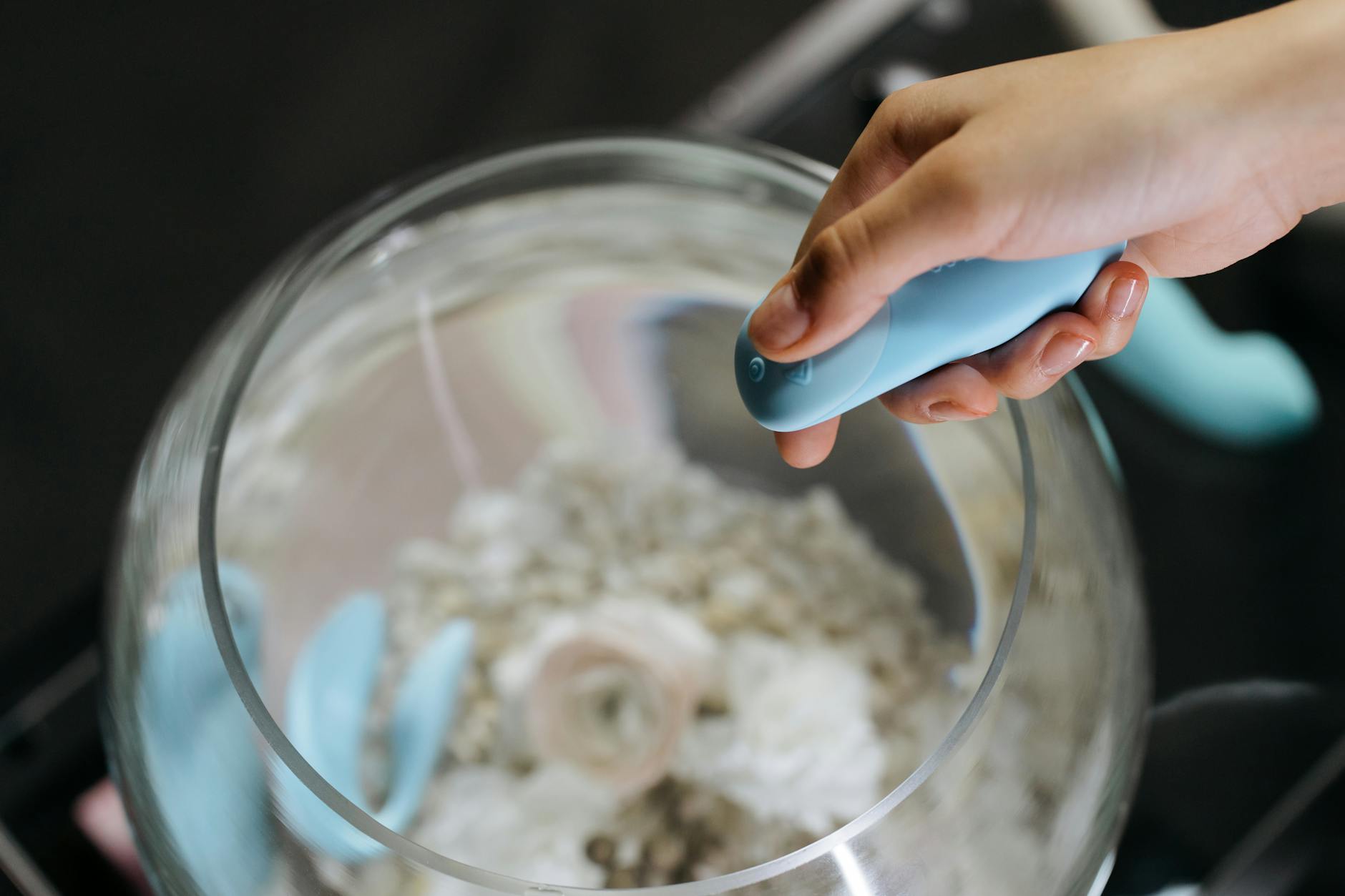
Here's the thing about couples and lemon vibrators
Most conversations about introducing a toy into partnered sex start and end with awkwardness. Someone drops a link. The other person goes quiet. Tension. Game over.
It doesn't have to go that way. The couples I work with who succeed are the ones who separate the toy from the conversation. The lemon vibrator isn't the point. Better pleasure, more exploration, and genuine curiosity about what your partner actually wants? That's the point. The toy is just the tool.
Let me walk you through how to pick the right one and, more importantly, how to actually talk about it.
Why couples choose clitoral vibrators in the first place
You're probably here because someone mentioned suction toys work differently than traditional vibrators. That's true. A lemon clitoral vibrator uses gentle air-pulse suction instead of buzzing, which means it stimulates the full clitoris without the numbing effect that can come from prolonged vibration.
For couples, this matters because it usually means faster, more intense orgasms. And faster orgasms reduce performance anxiety. Your partner isn't watching the clock wondering if you're ever going to finish. You're not in your head catastrophizing. You're just present.
That presence is what changes partnered sex from something you endure into something you both actually want.
The actual conversation (without the cringe)
Honestly, the script is simpler than you think.
"I read something about these air-suction vibrators. A lot of people say they feel really different. I'm curious what you'd think about trying one together." That's it. Conversational. Low-stakes. No guilt trip.
What you're doing here is three things at once. You're suggesting something without making it about the other person failing ("I think you need a vibrator"). You're positioning it as exploration, not a fix. And you're saying "together," which signals this is something you want to share, not something you want to do alone.
The refusal usually comes from a place of one of three fears. Fear that using a toy means the partner isn't satisfying them. Fear that it's cheating. Fear that it's weird. Your response to any of those should be direct and warm.
"This isn't about you not being enough. It's about both of us getting to experience something new." That's the core of it.
Choosing the right lemon vibrator as a couple
There are actually three separate decisions here. First is size and shape. Second is control. Third is the specific patterns.
Size and shape for partners. If you're introducing this for the first time, a smaller suction vibrator is almost always the move. It feels less intimidating for both of you. It's easier to position during penetration without anyone losing balance or focus. The Lemon Clitoral Vibrator is designed specifically for this. It's compact enough that your partner can hold it and use it on you during penetration without feeling like they're managing a third limb.
Who's holding the remote. This one matters more than people think. Some couples want the receiving partner to have control over the intensity. Makes sense: you know your body better than anyone. Other couples prefer the giving partner to hold the remote because it keeps them engaged and focused. I usually recommend starting with the receiving partner in control, then swapping later when you're both more comfortable. It takes pressure off your partner's performance and keeps the focus on your experience.
Starting with settings. Every lemon vibrator has multiple patterns and intensity levels. You don't need to figure out all of them in one session. Start on the gentlest setting. Get used to how it feels. Then explore. Rushing straight to maximum intensity defeats the purpose.
Positioning when you're using it together
Let's say you're trying penetrative sex with the vibrator. The receiving partner usually stimulates their own clitoris while their partner enters, or the giving partner can hold the vibrator. Either works, but there's a difference in vibe.
When you're stimulating your own clitoris while your partner penetrates, you keep control of pressure and angle. You can sync the vibrator with your partner's rhythm or do your own thing entirely. No coordination needed.
When your partner holds the vibrator, it becomes a team activity. You're both focused on the same goal. Some people love that intimacy. Others find it distracting because now someone else has a job to do.
There's no "right" answer. The point is knowing the difference so you can choose deliberately instead of defaulting to whatever feels less awkward in the moment.
The emotional side (which matters more than the equipment)
This is where I see couples actually succeed or fail, and it has nothing to do with the vibrator itself.
If you're using a lemon clitoral vibrator to fix something that feels broken in your relationship, it won't work. A better orgasm doesn't heal resentment. It just means you resented each other while having a better orgasm.
But if you're using it as a way to stay curious about each other, to say "I want to explore this part of life with you," to give yourself permission to ask for what feels good? That changes things. Quickly.
The couples I work with who report the most satisfaction aren't the ones using the fanciest toys. They're the ones who checked in before starting, didn't make it weird if something didn't work, and laughed when things got awkward. Which they will.
Common worries and actual answers
There are three things couples worry about that come up every single session.
First: "What if she can't orgasm with it?" Then you've learned something useful about her body and preferences. That's data, not failure. Keep exploring.
Second: "What if it takes too long and he gets frustrated?" This is why starting conversation matters. You've already established that this is about exploration, not performance. Set a time boundary if you need to ("Let's just enjoy this for 15 minutes"), but remove the pressure to finish.
Third: "What if we try it and one of us hates it?" Perfect. Now you both know that. You stop using it. You move on. No shame. You tried something together. That's what matters.
The practical care stuff
You don't need a PhD to look after a lemon vibrator, but a couple of things matter. Wash it with warm water and soap after every use. Store it somewhere dry. Don't leave it in direct sunlight for weeks at a time. Charge it when the battery runs low. That's genuinely it.
If you're sharing the vibrator between partners, make sure both of you know how to charge and care for it so there's no weird dynamic where one person is responsible for "the toy."
When to reach out for support
If you've had the conversation, chosen a toy, and things still feel tense or awkward, that's worth exploring. Sometimes what feels like "they don't want a vibrator" is actually "we're not communicating well about pleasure," and those are solvable problems with the right support.
I see couples do incredible work around this. It often opens up conversations they've been avoiding for years. Not just about sex, but about being curious, about asking for what they want, about staying present with each other. That's the real win.
FAQ
What's the best lemon vibrator setting for couples who are just starting out?
Start on setting 1 or 2, the gentlest option. The whole point is to feel different sensation, not maximum intensity. Once you're both comfortable, you can experiment with higher settings. Most couples find the mid-range patterns (settings 3-5) hit the sweet spot between sensation and control.
Can I use a lemon clitoral vibrator during penetrative sex with a partner?
Yes. A smaller lemon vibrator works best here. Either you hold it on your clitoris while your partner penetrates, or they can hold it for you. The key is experimenting with angles so nothing gets pinched or uncomfortable. Start slowly and communicate constantly.
How do I know if my partner is actually interested or just going along with it?
Listen for genuine curiosity in their response, not just agreement. If they ask questions or suggest trying it, that's interest. If they say "okay, fine" once and then never mention it again, they're going along with it. Go back to the conversation. Ask specifically what concerns them. Sometimes it's not about the vibrator. It's about something else entirely.
Is it normal to feel insecure when my partner wants to use a vibrator?
Completely normal. A lot of people hear "vibrator" and translate it to "you're not enough." You're not. But that's not what's happening. Your partner isn't replacing you. They're exploring sensation with you. Those are different things. If the insecurity doesn't fade after a few conversations, it might be worth talking to a therapist about what's underneath it.
What if we try a lemon vibrator and one of us really doesn't like it?
Then you stop using it. You've learned something about your preferences. That's useful information. Some people love air-suction toys. Some don't. Neither is wrong. You move on to something else or you stick with what you were doing before. The point is you tried it together.
How often do couples actually use their vibrators after the first time?
Honestly? It varies wildly. Some couples integrate it into their regular routine. Others use it occasionally. Some buy it, try it once, and forget about it. The frequency doesn't matter. What matters is that you both felt comfortable enough to try something new together. That's the win.